
Jackson Rising
Jackson Rising is a citywide strategic planning and civic coordination initiative focused on aligning leadership, organizations, and community stakeholders around a shared framework.
-
Jackson Rising is a citywide strategic planning and civic coordination initiative focused on aligning leadership, organizations, and community stakeholders around a shared framework for Jackson’s future. Developed through collaboration between the Office of the Mayor, M|B|P Companies, and TREE Urban Design Studio, the initiative brought together leaders across government, business, nonprofit organizations, education, healthcare, infrastructure, arts and culture, and neighborhood development to identify long term priorities and implementation opportunities for the city.
TREE helped lead the spatial research, public engagement infrastructure, visual systems, mapping, communications, and project coordination supporting the initiative. Over the course of the process, Jackson Rising facilitated more than 30 working sessions with over 300 participants, generating more than 400 ideas across 14 strategic focus areas connected to economic development, infrastructure, housing, transportation, public space, technology, education, arts and culture, and neighborhood revitalization.
Jackson Rising operated as an active civic workspace designed to support collaboration, implementation, and long term coordination across multiple sectors shaping the future of Jackson.
-
Year
2025
Scale
Citywide
Location
Jackson, Mississippi
-
Community Foundation For Mississippi
W.K. Kellogg Foundation
City of Jackson Government
Ray & Nancy Neilsen
Great City Mississippi Foundation
Trustmark Bank
Bradley
Path Company
CDFL Architecture
Center for Social Entrepreneurship
Dale Partners Architecture
Foundation for Mississippi History
Konnections
Mangia Bene
Speed Commercial
State Street Group
Viking Investments
-
Facilitation, Fundraising & Outreach Team
Josh McManus, M|B|P Companies
Joel Steinhaus, M|B|P Companies
Elizabeth Fowler, M|B|P Companies
Research & Data Analysis | GIS Mapping | Graphic Design | Documentation | Web Design
Travis Crabtree, TREE Urban Design
Ansley Crabtree, TREE Urban Design
Steering Committee
Jane Alexander
Donna Barksdale
Willie Bozeman
Chevon Chatman
Ronnie Crudup
Kane Ditto
Robert Gibbs
Beverly Hogan
Mayor John Horhn
Mark Hosemann
Ray Neilsen
Taylor Nicholas
Chip Pickering
Carol Puckett Palmer
Rhea Williams-Bishop
Kenneth Wilson
Designing a Civic Workspace
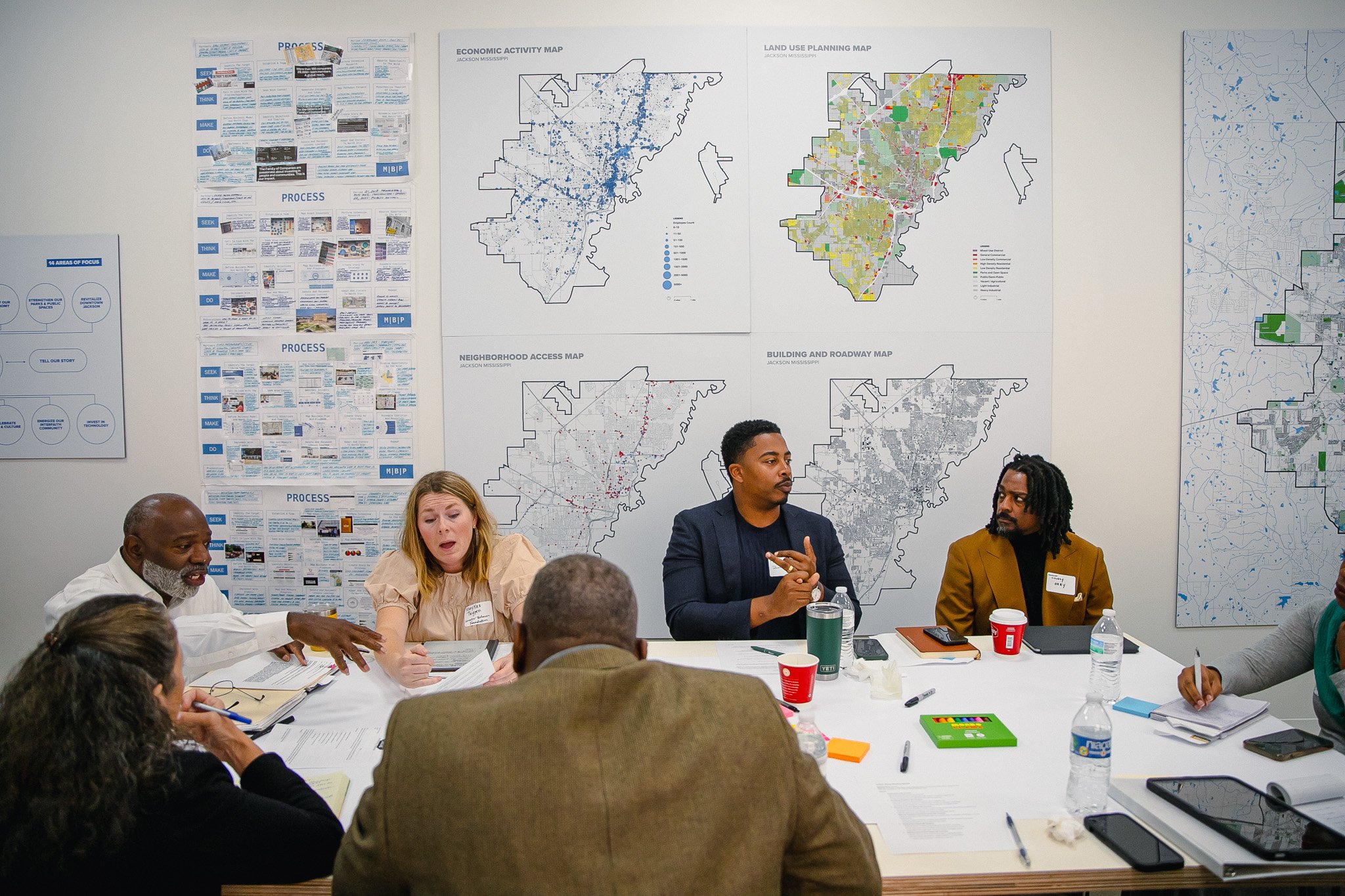
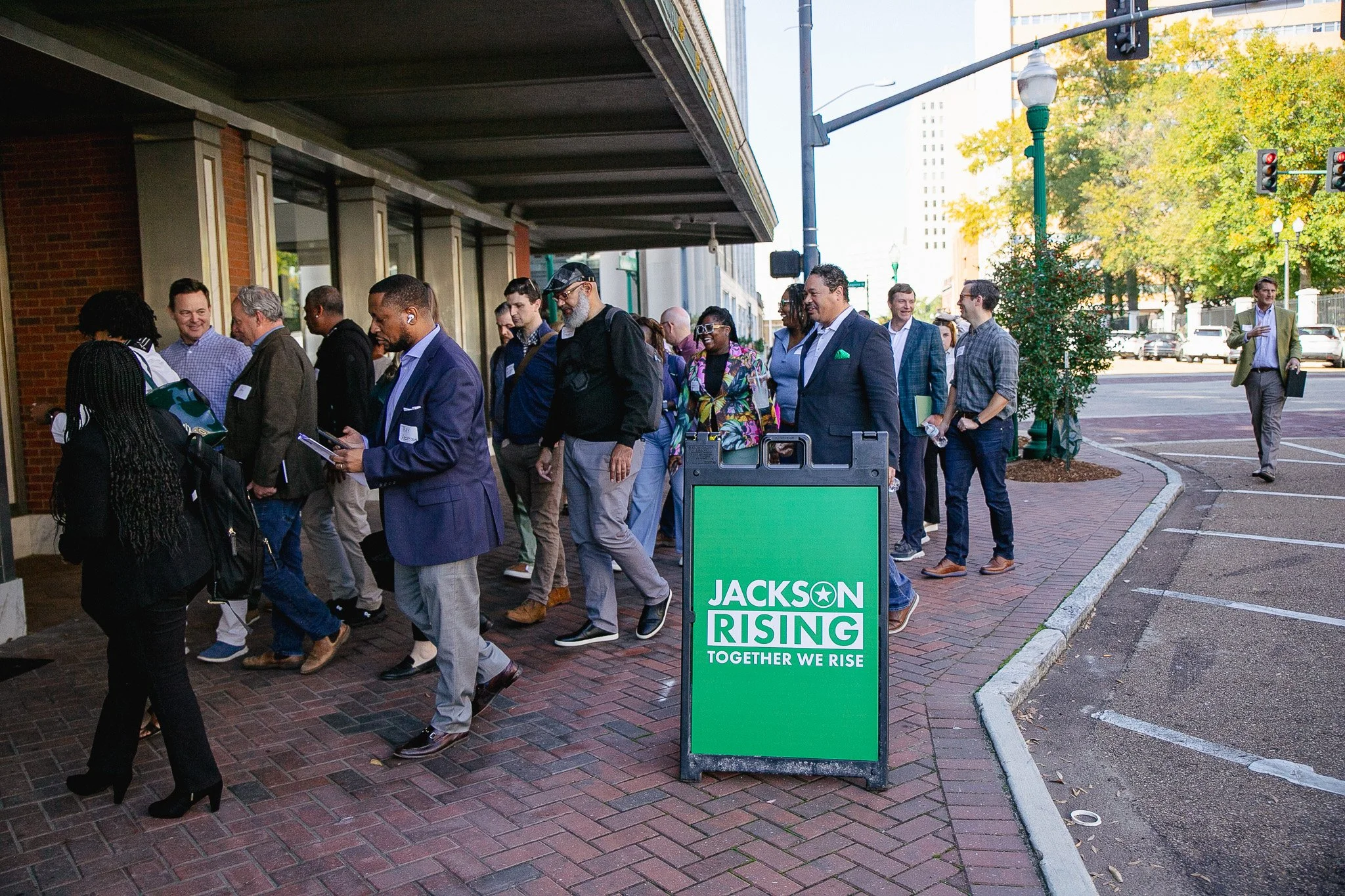
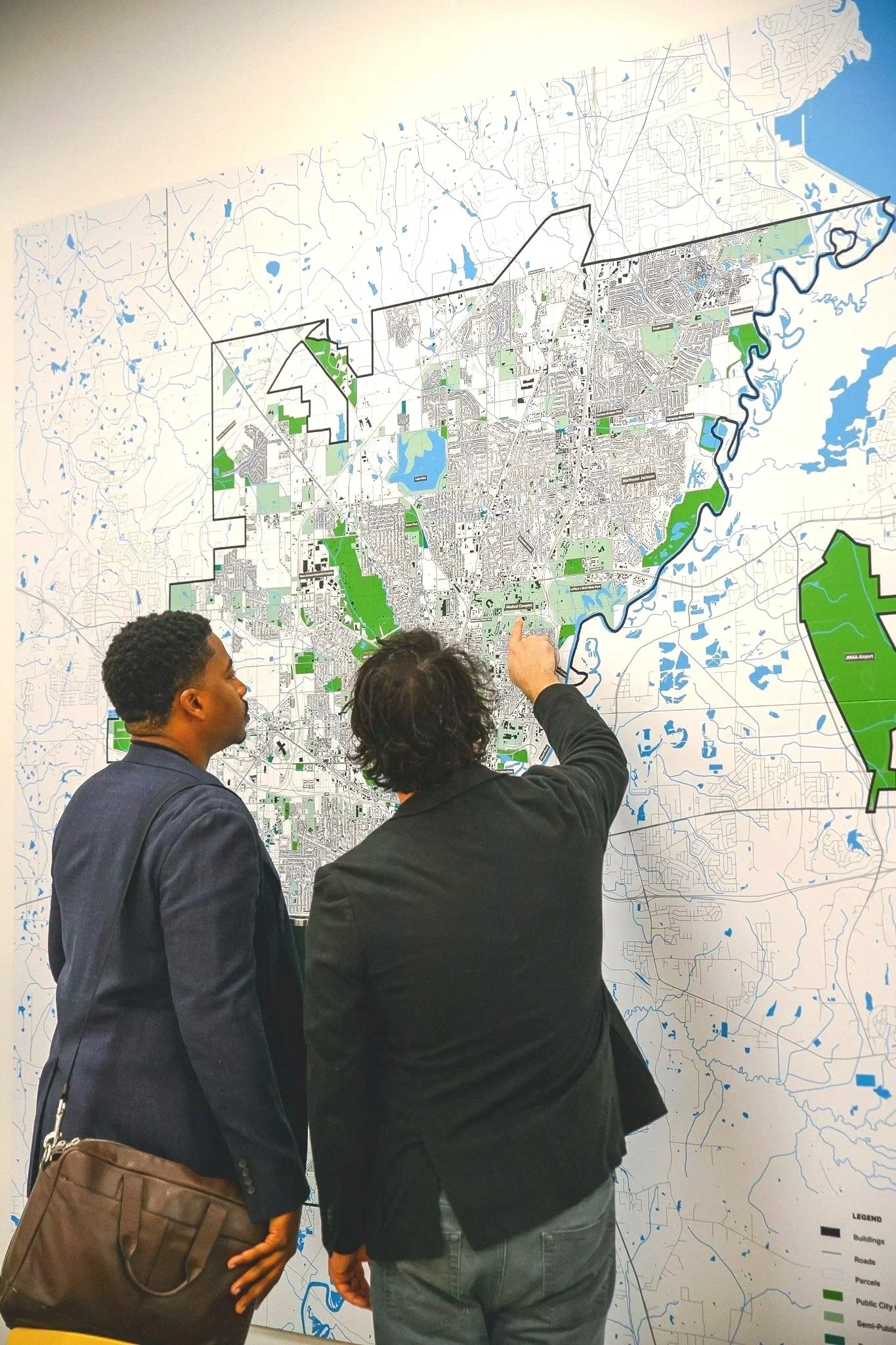
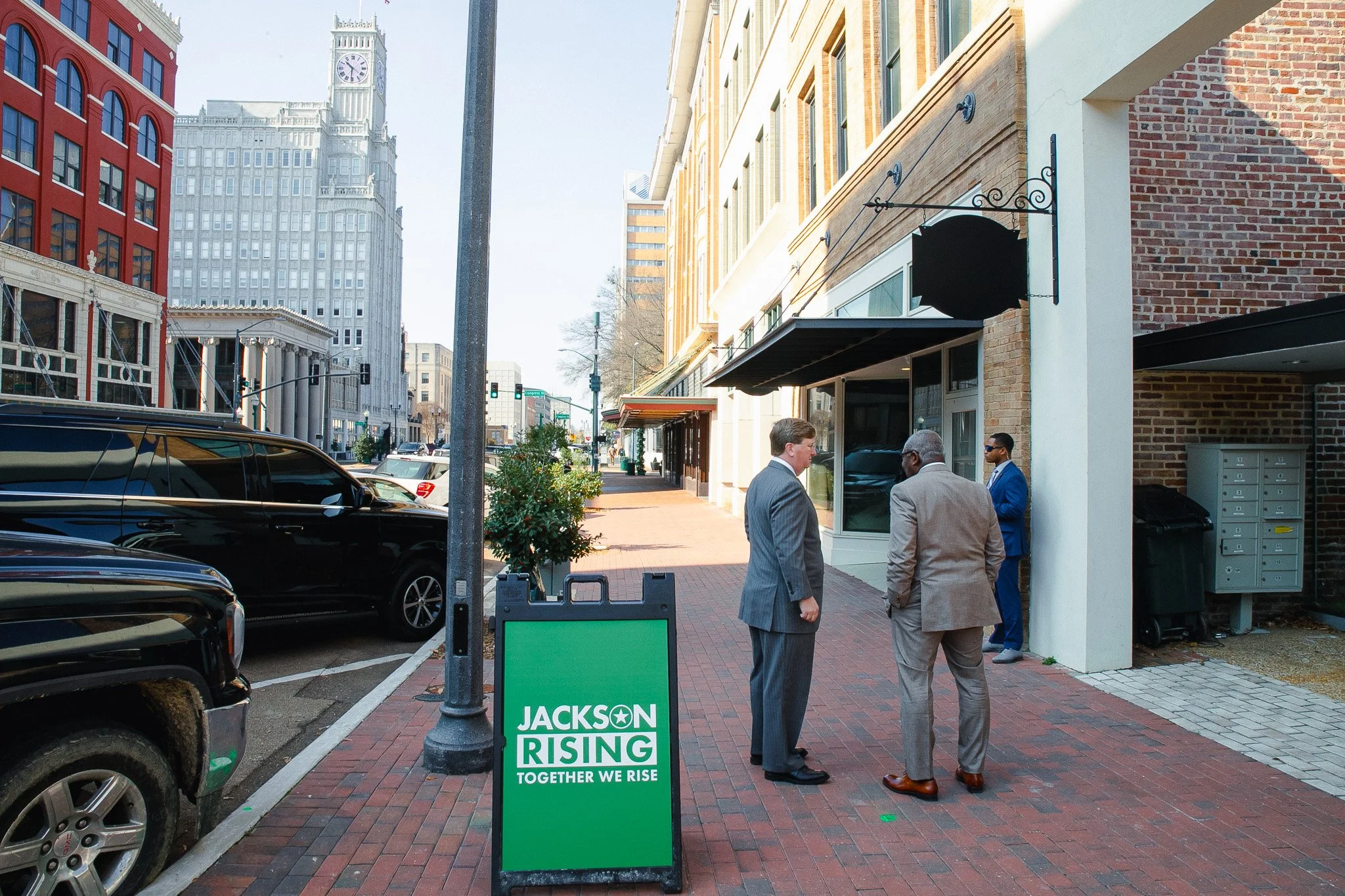
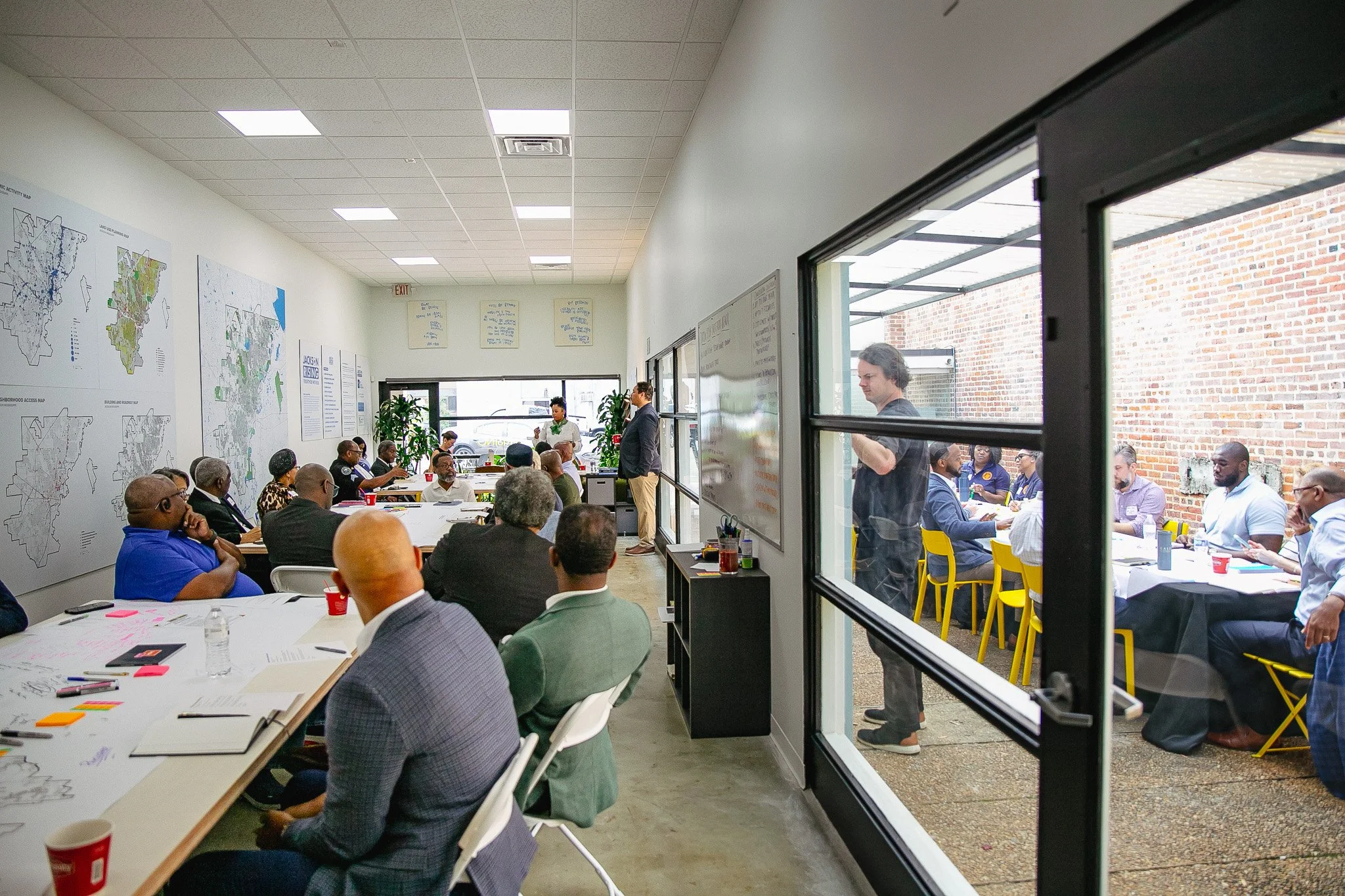
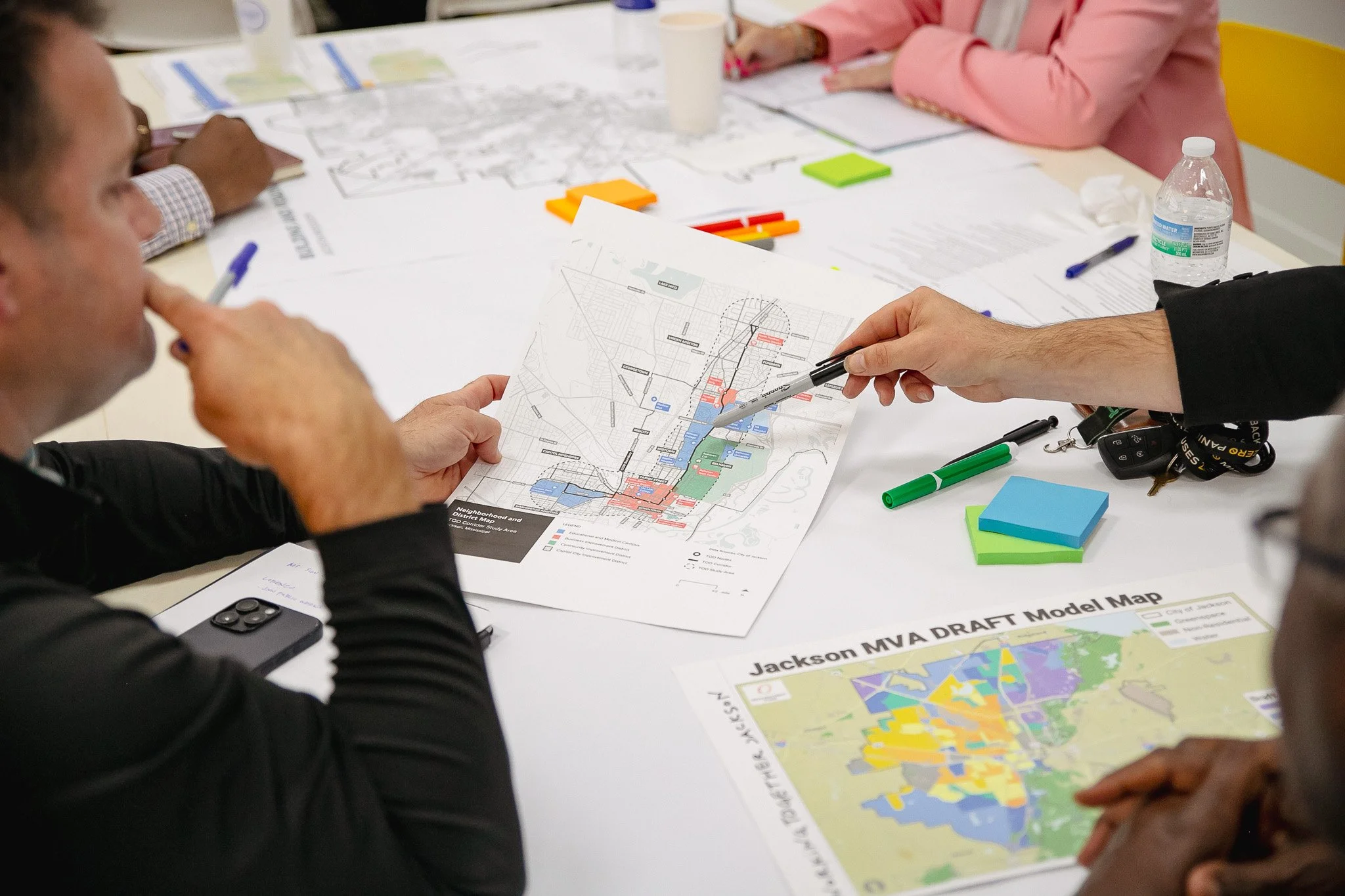
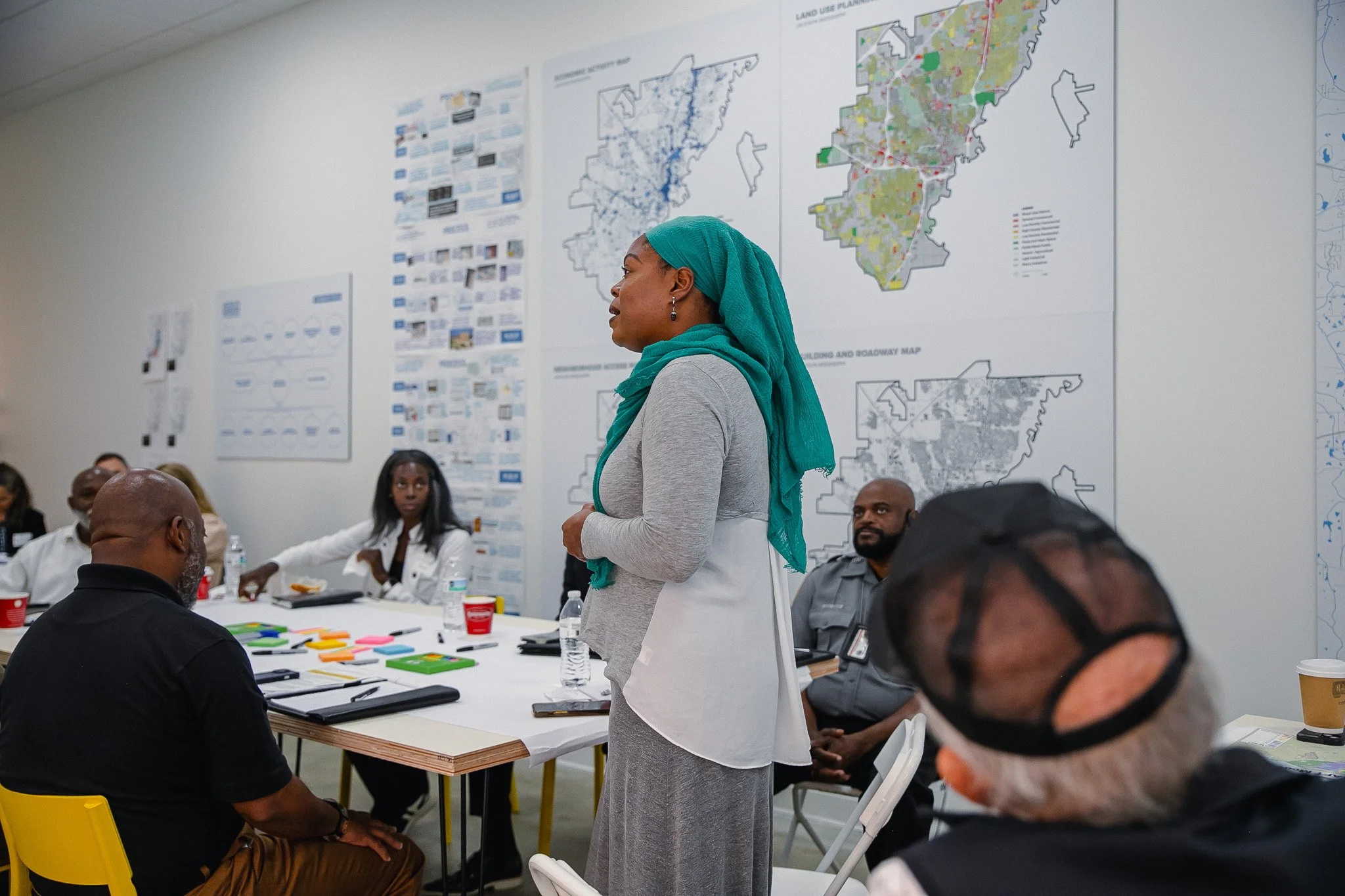
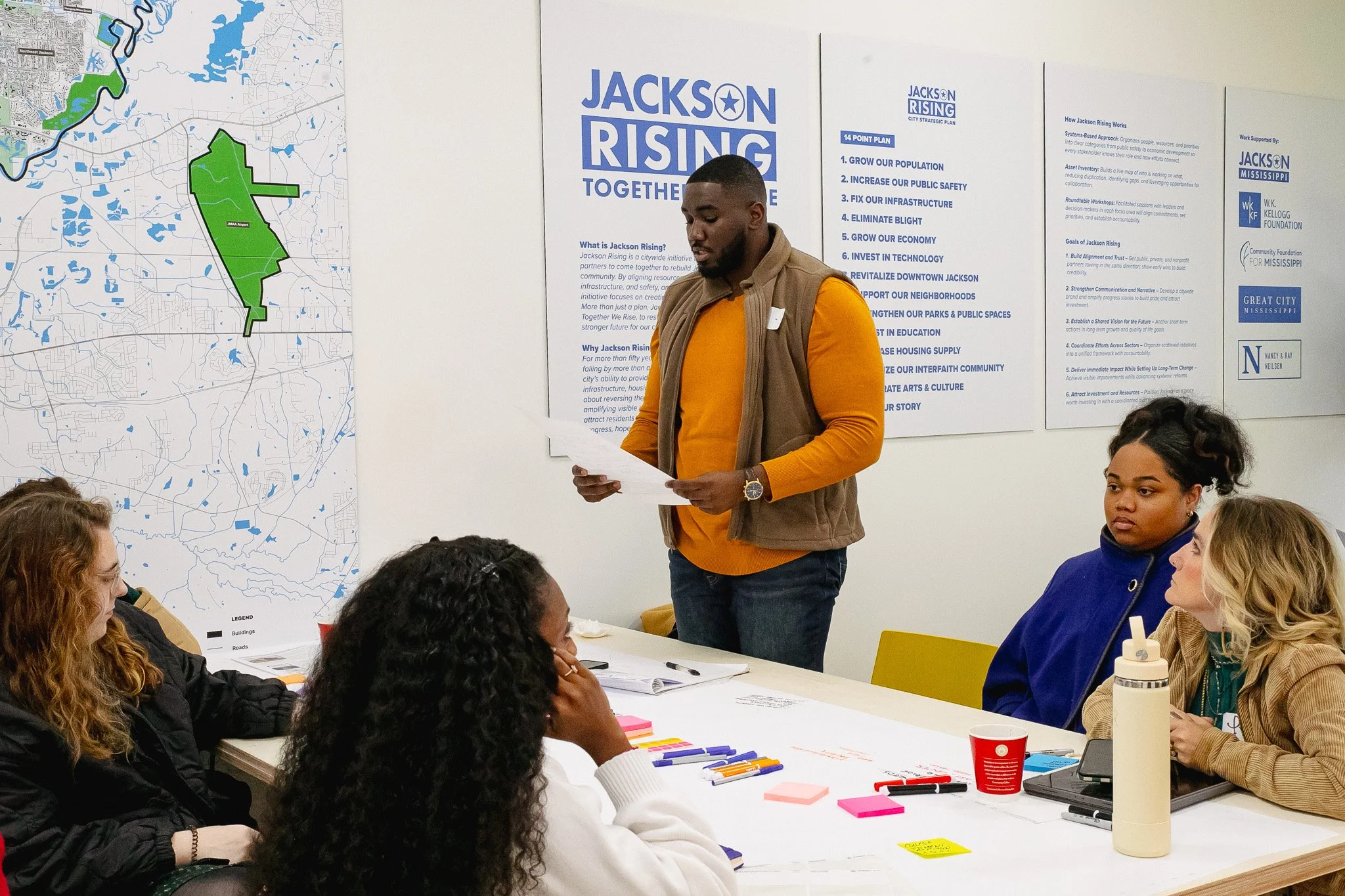
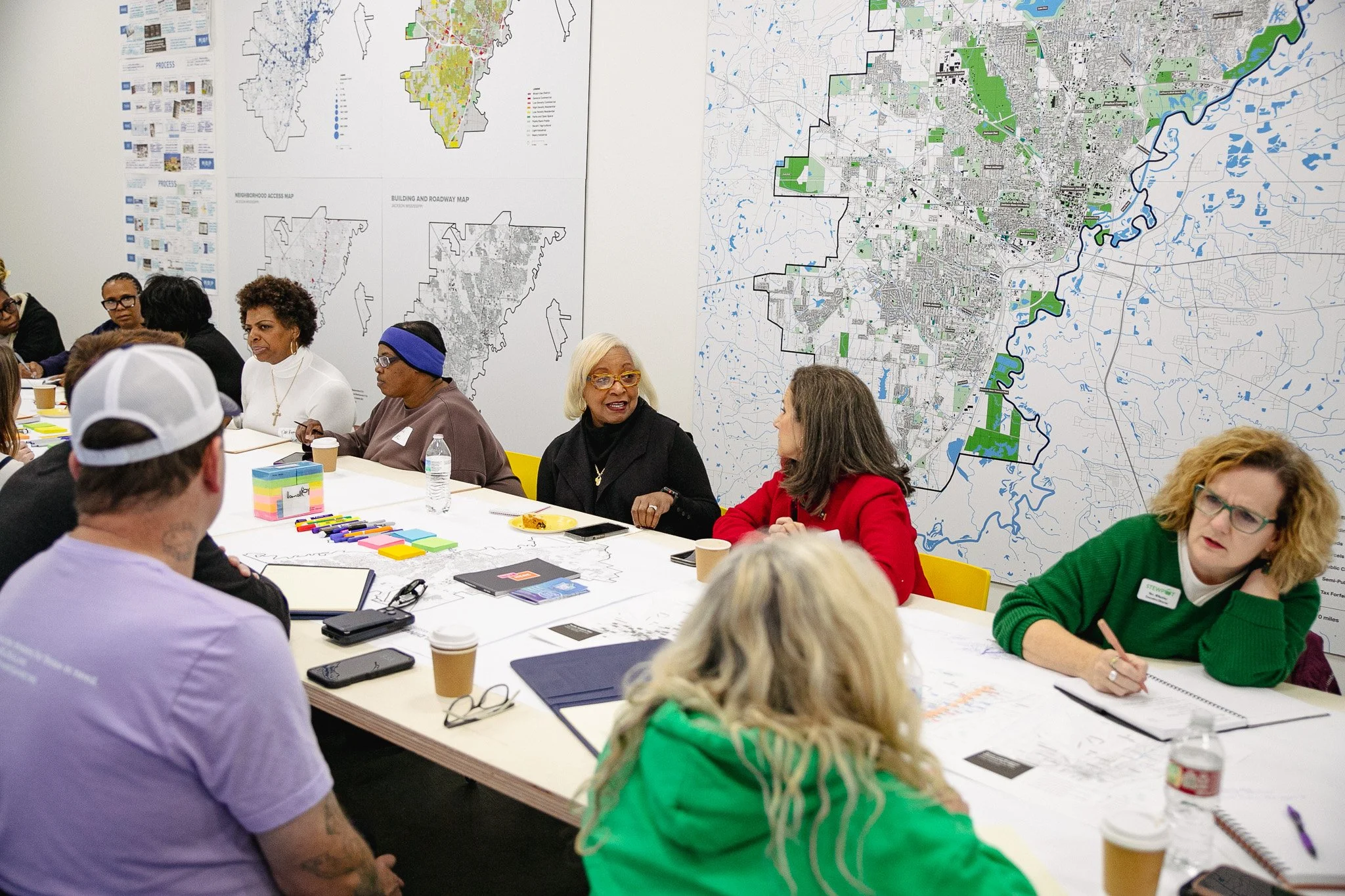
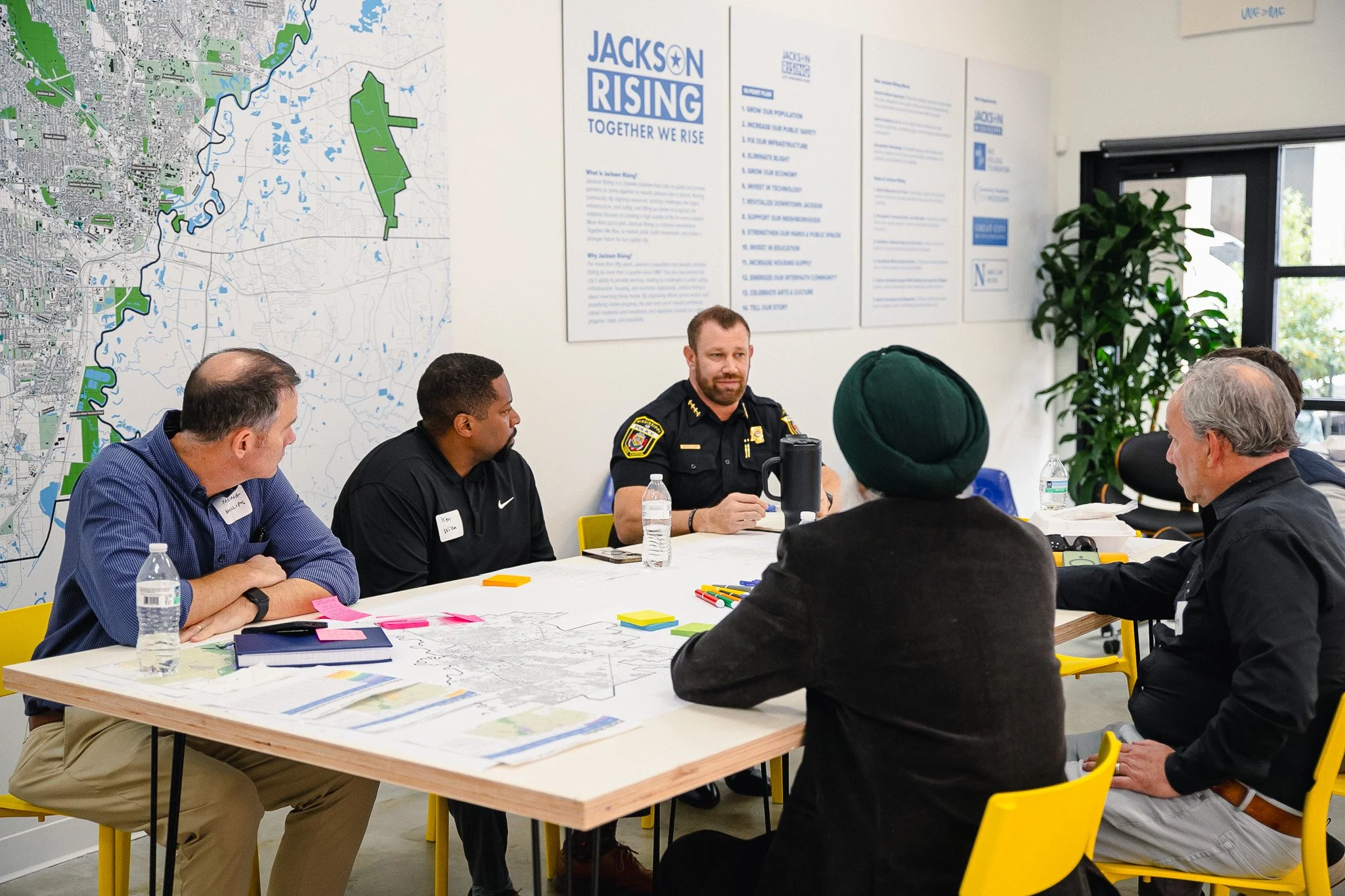
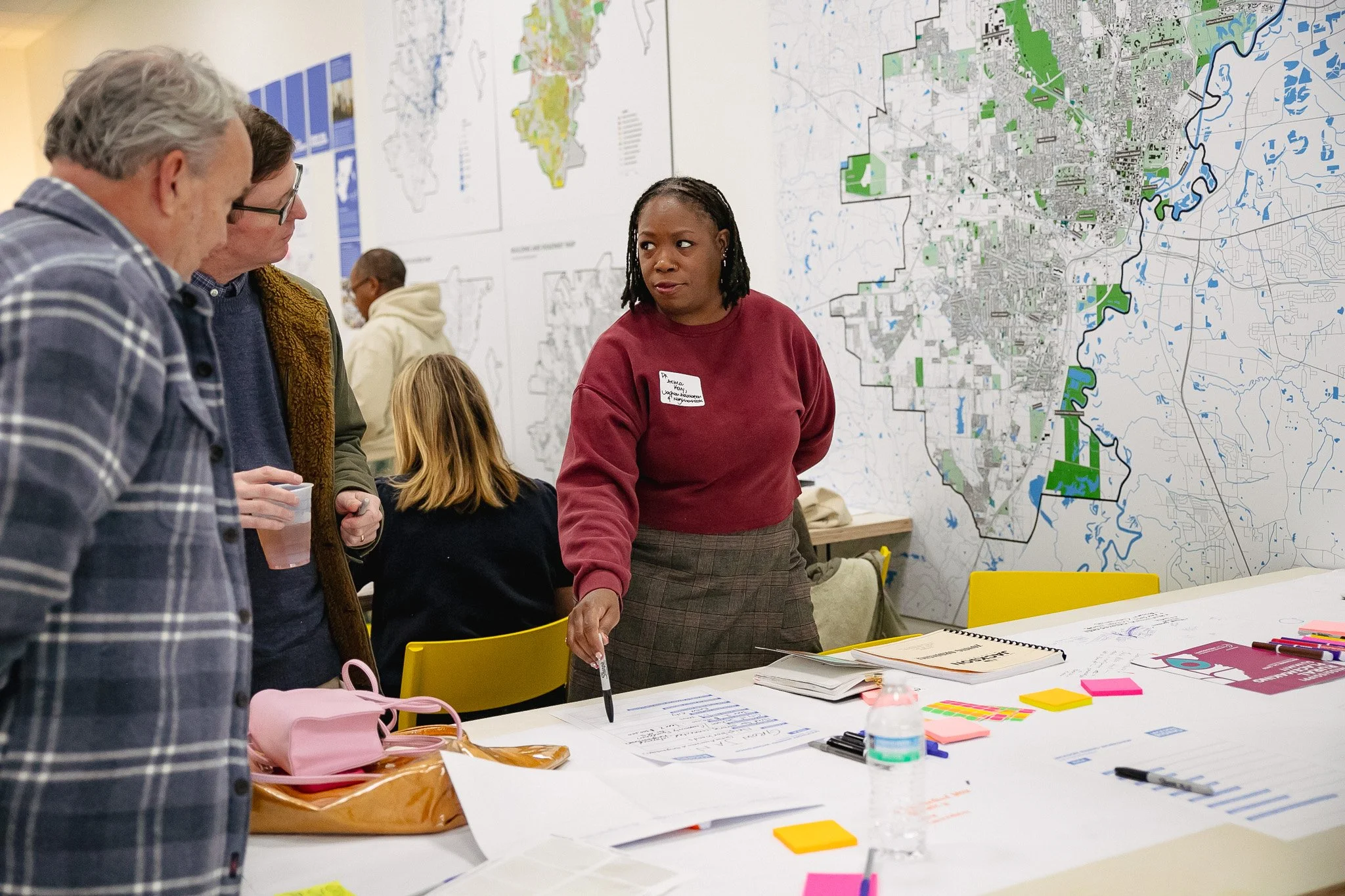
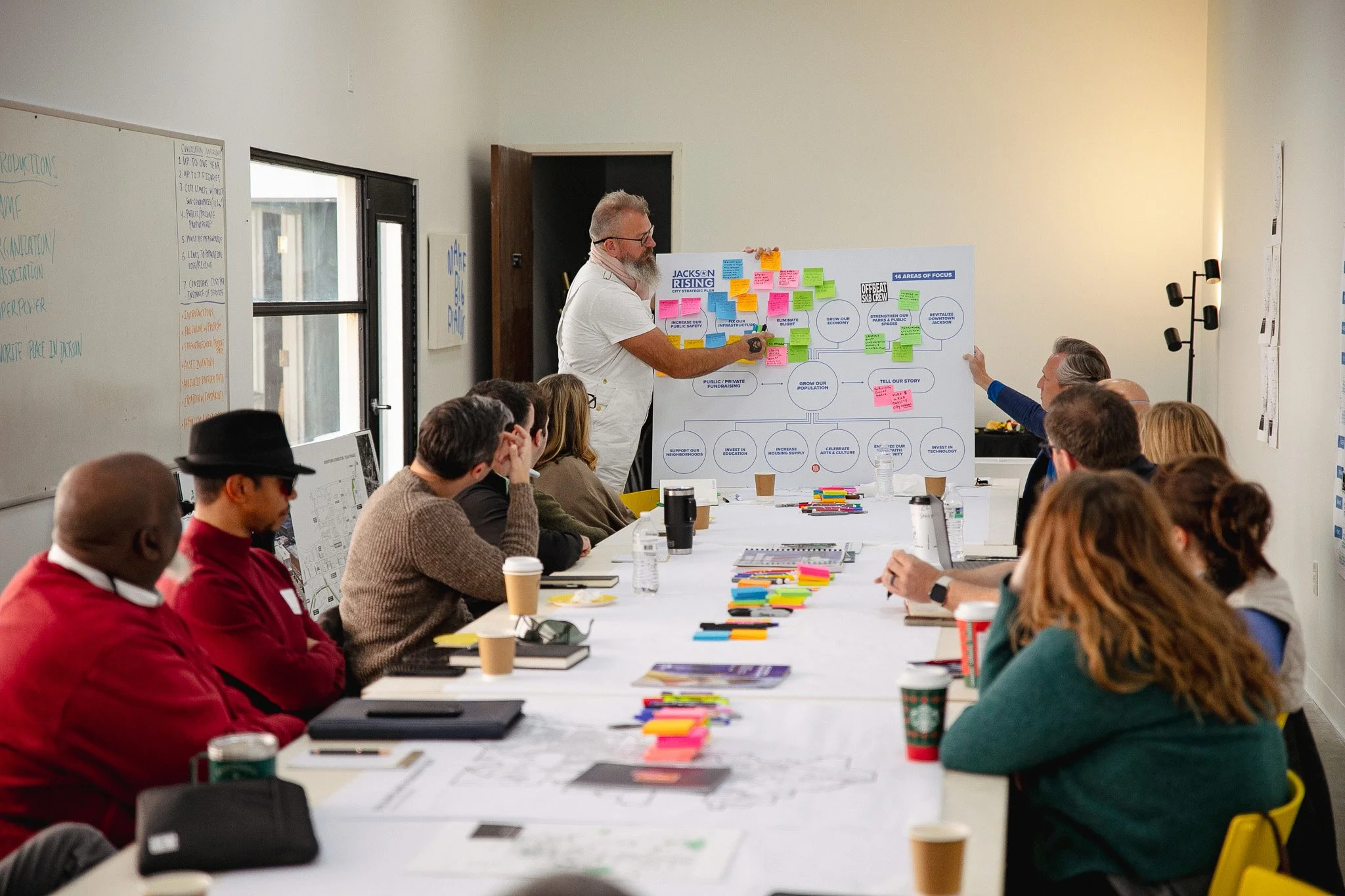
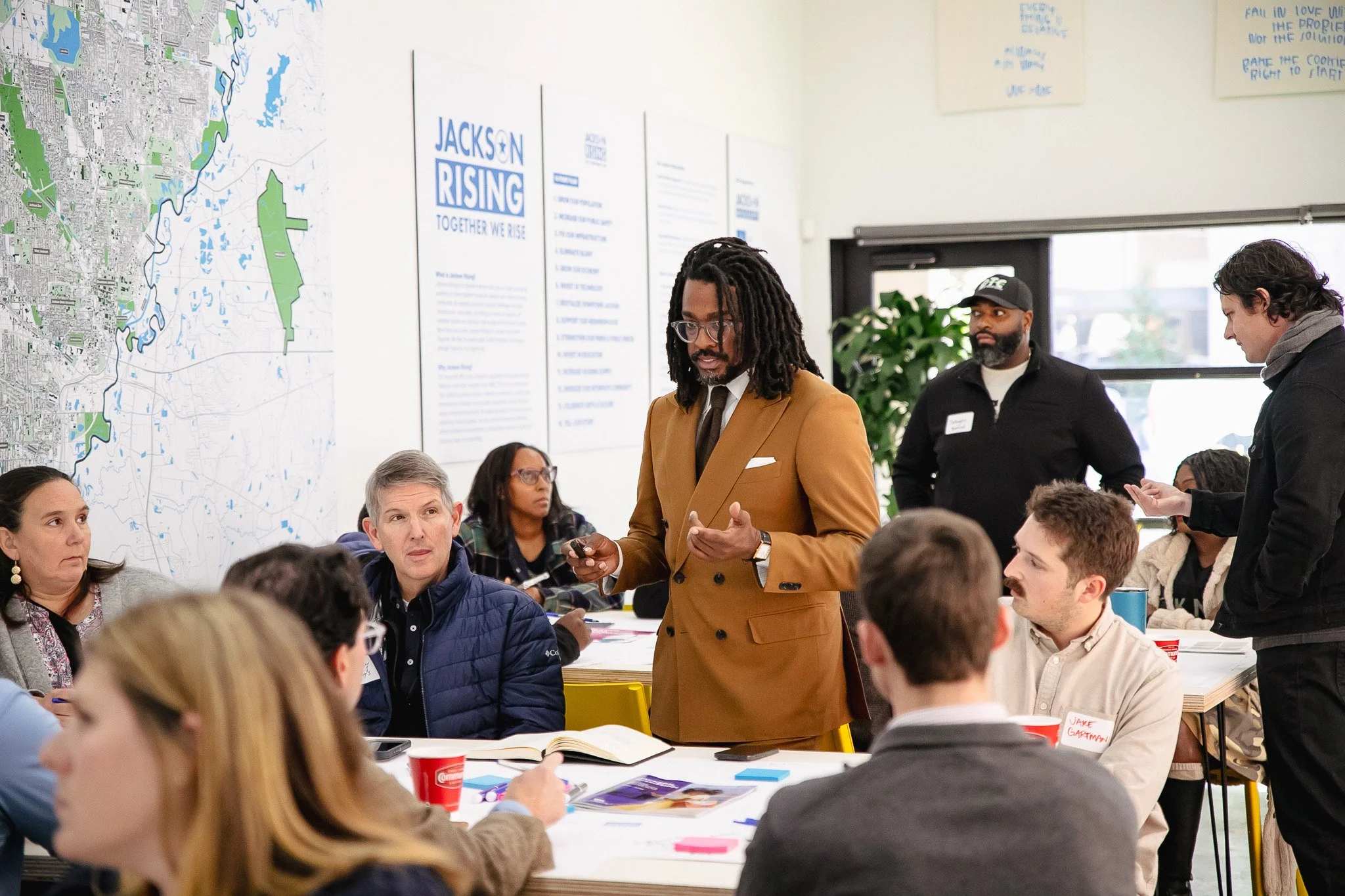
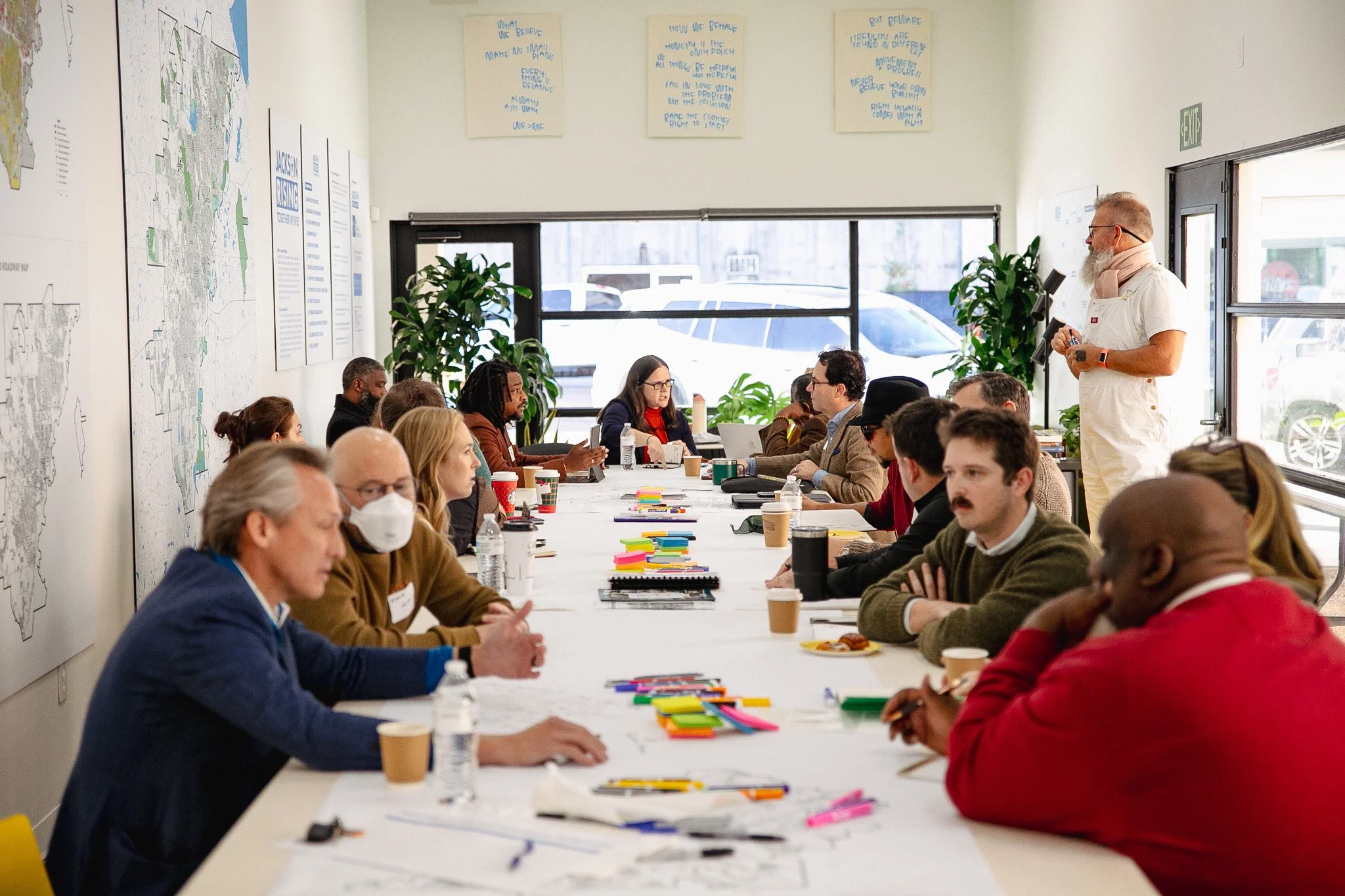
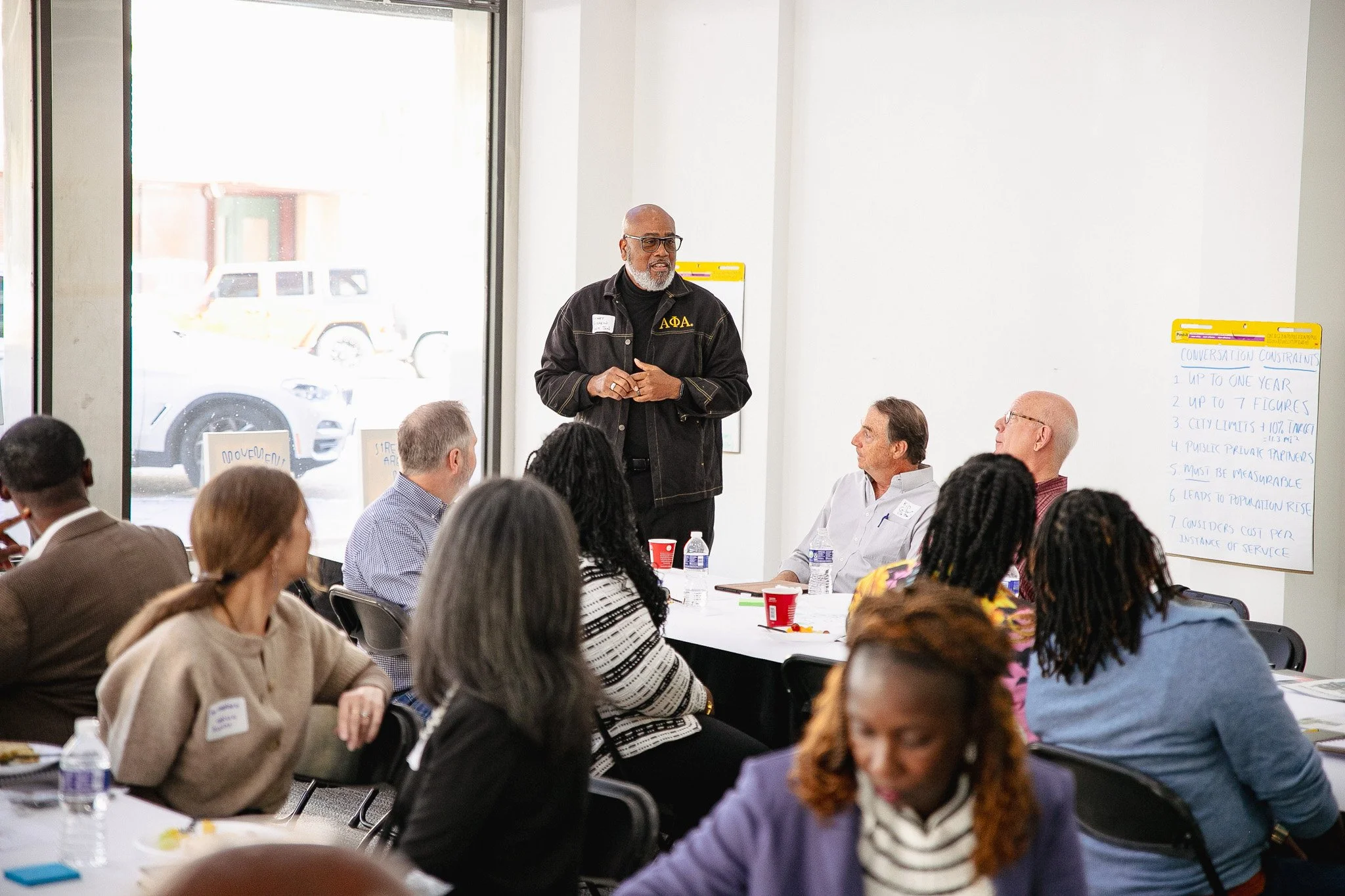
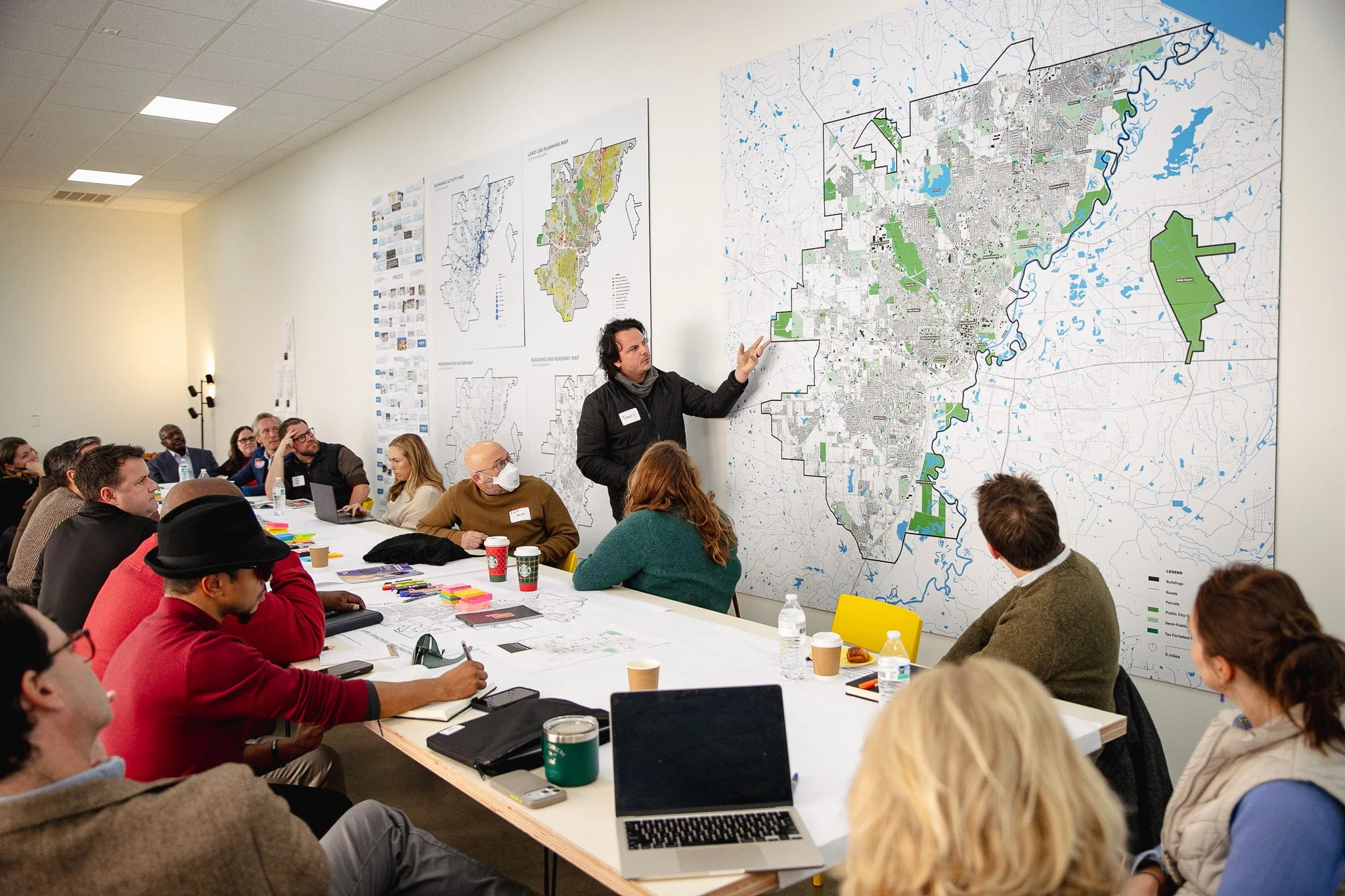
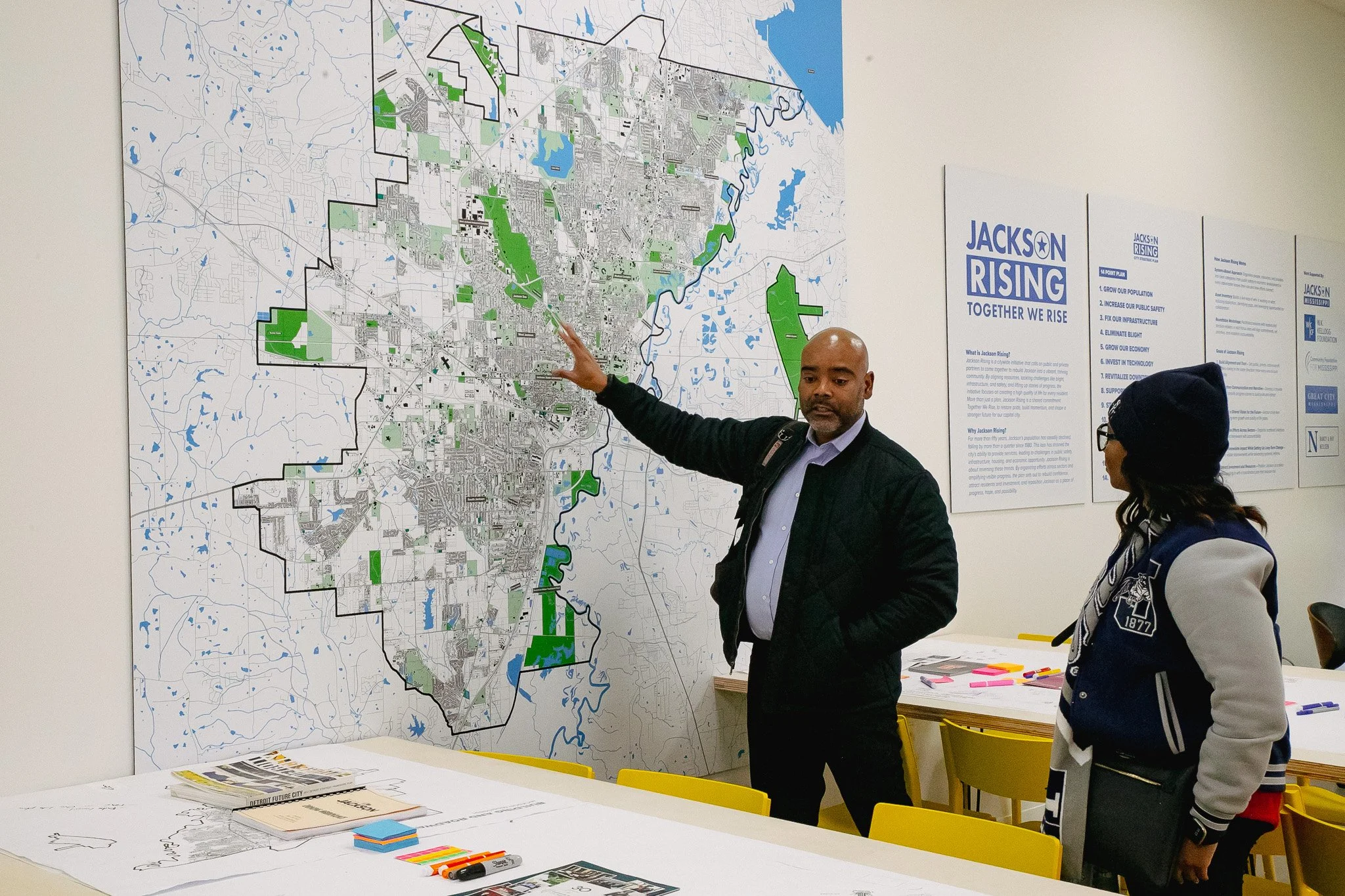
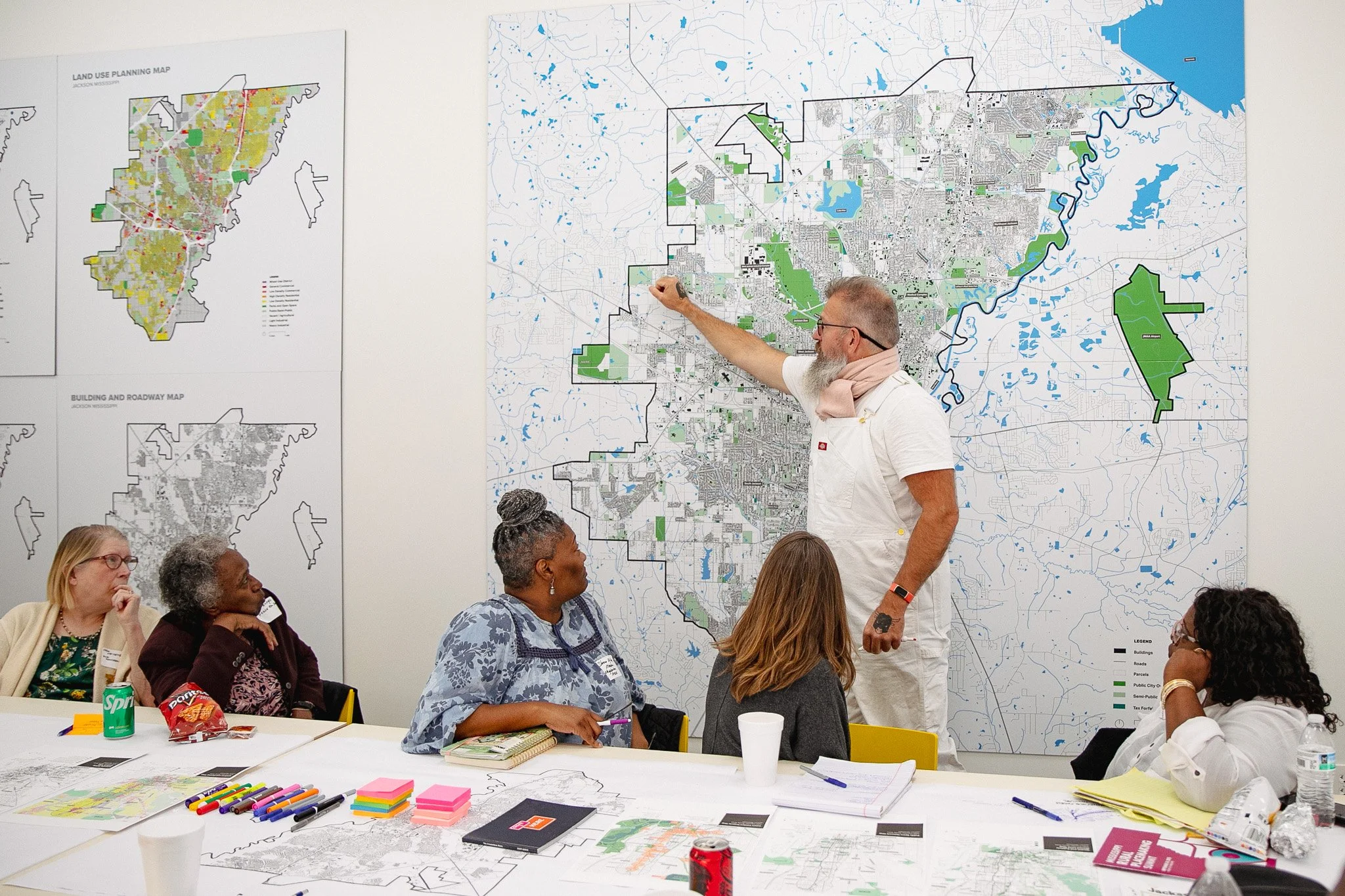
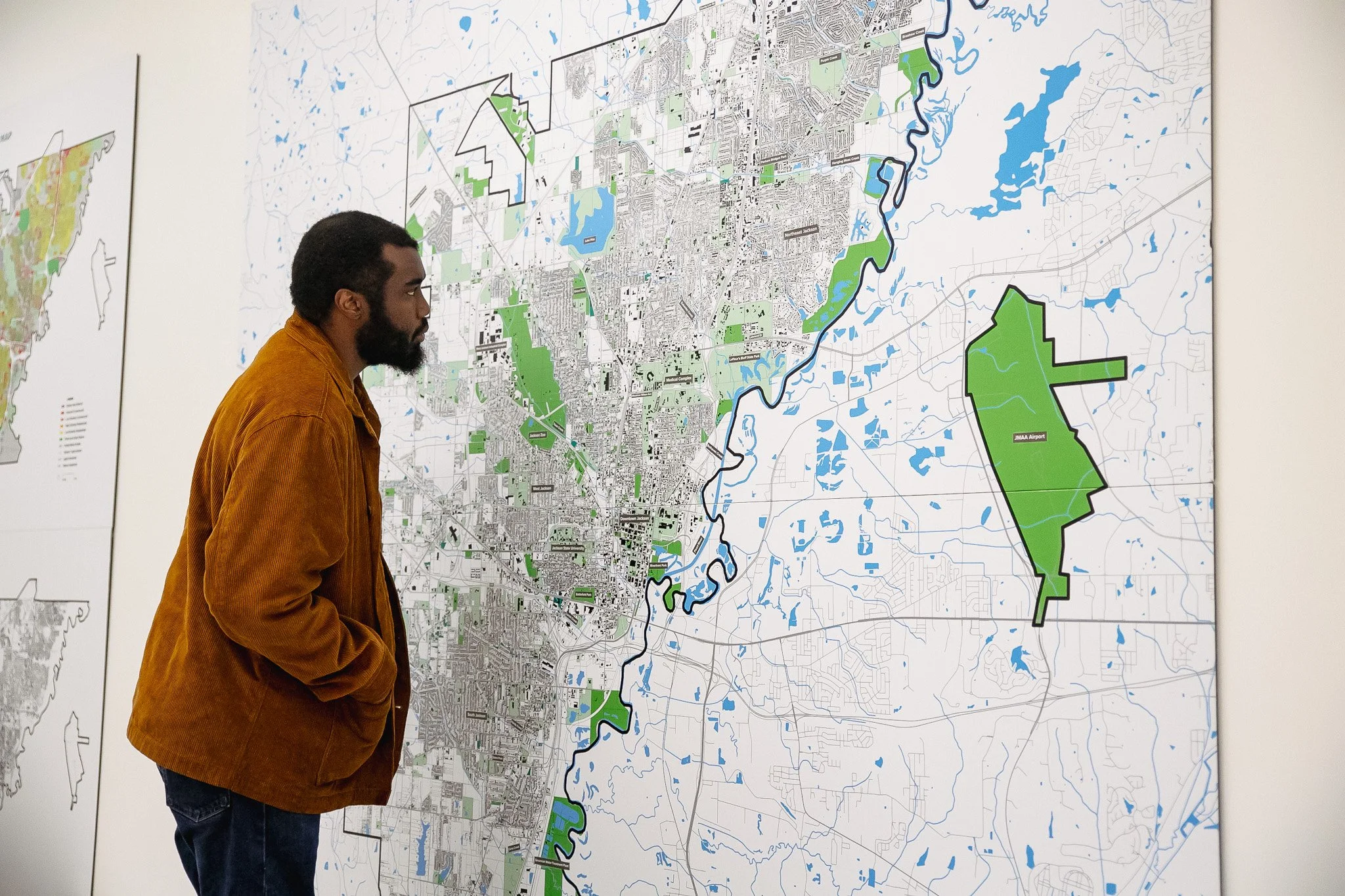
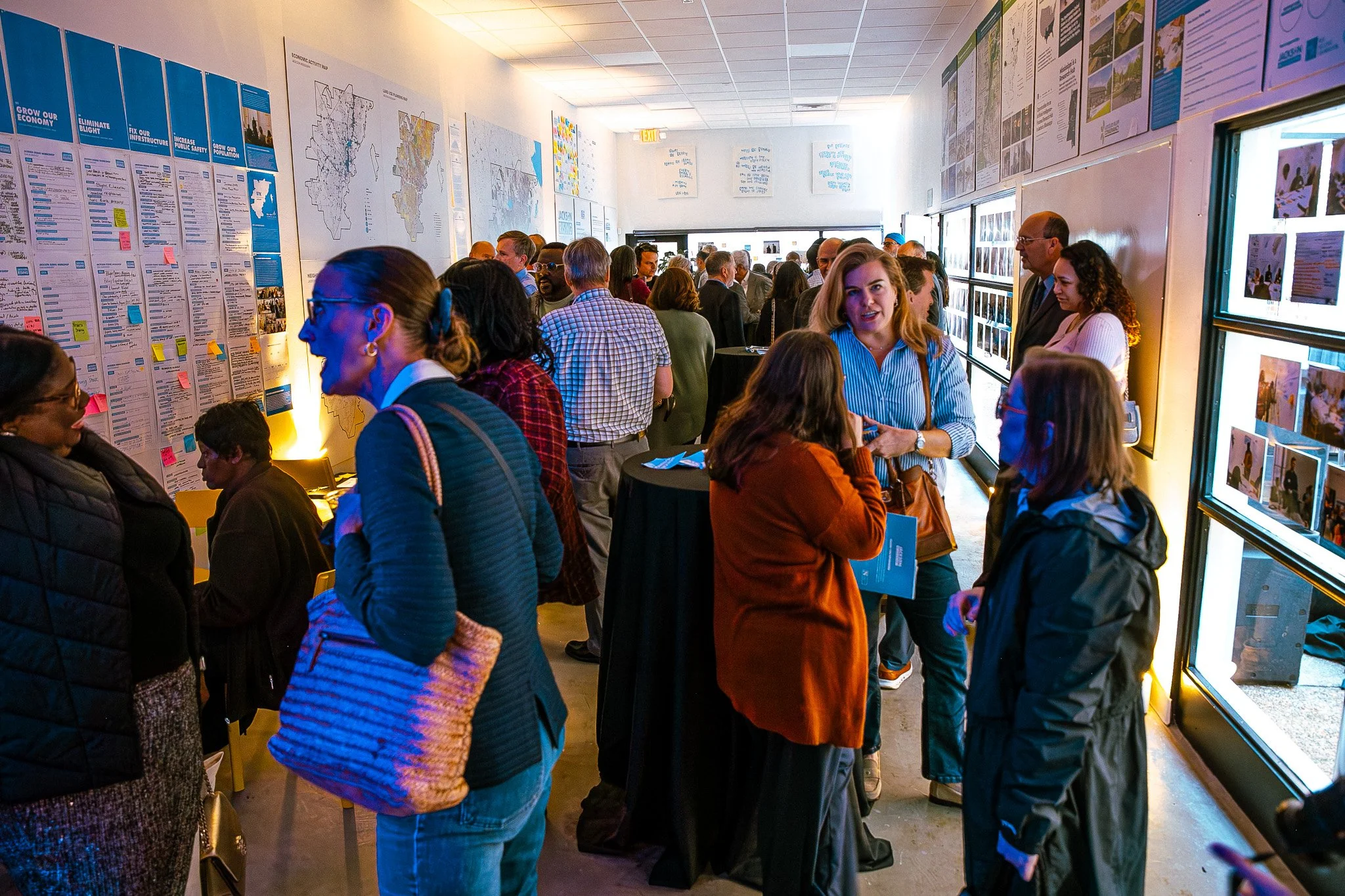
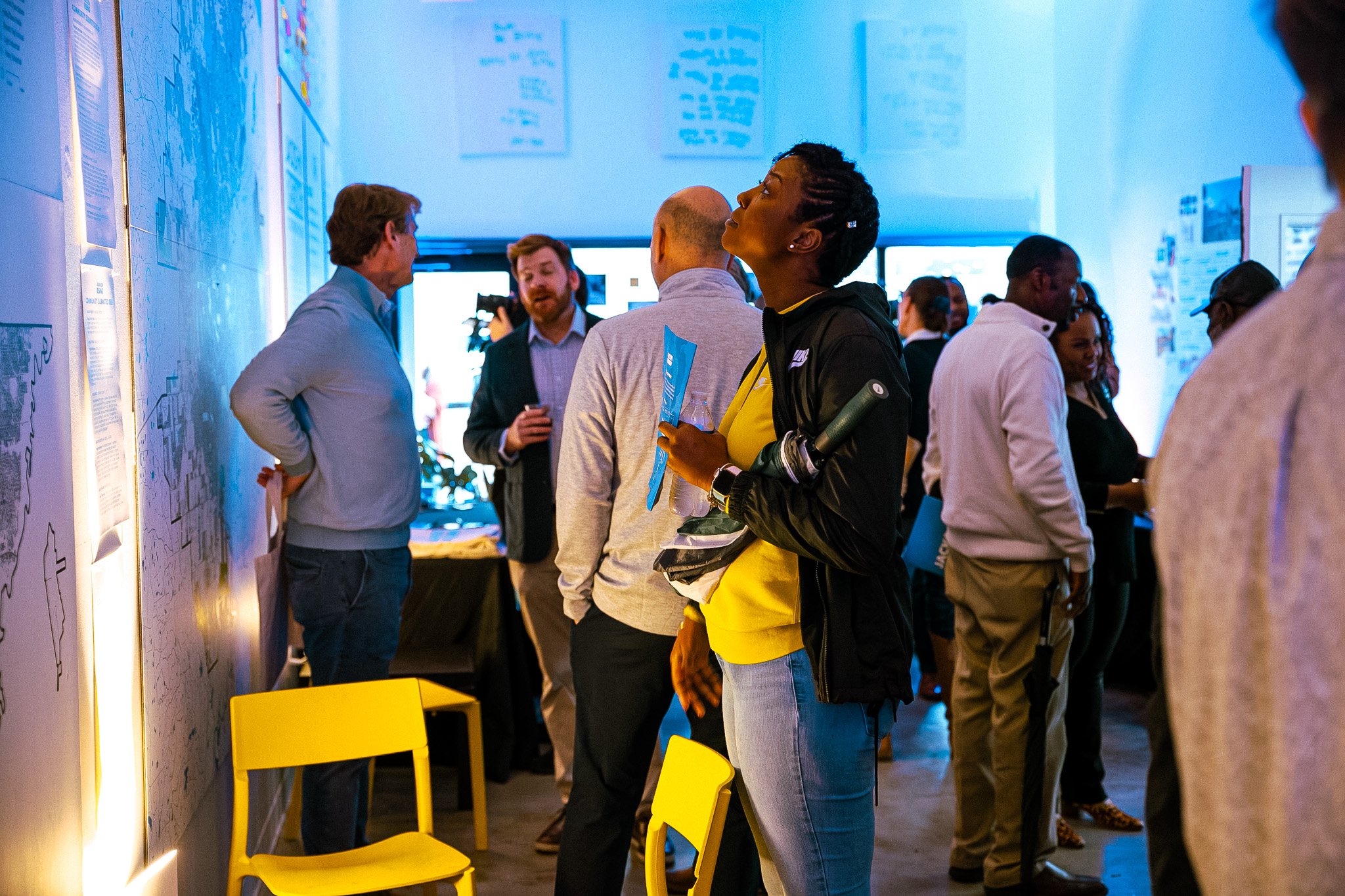
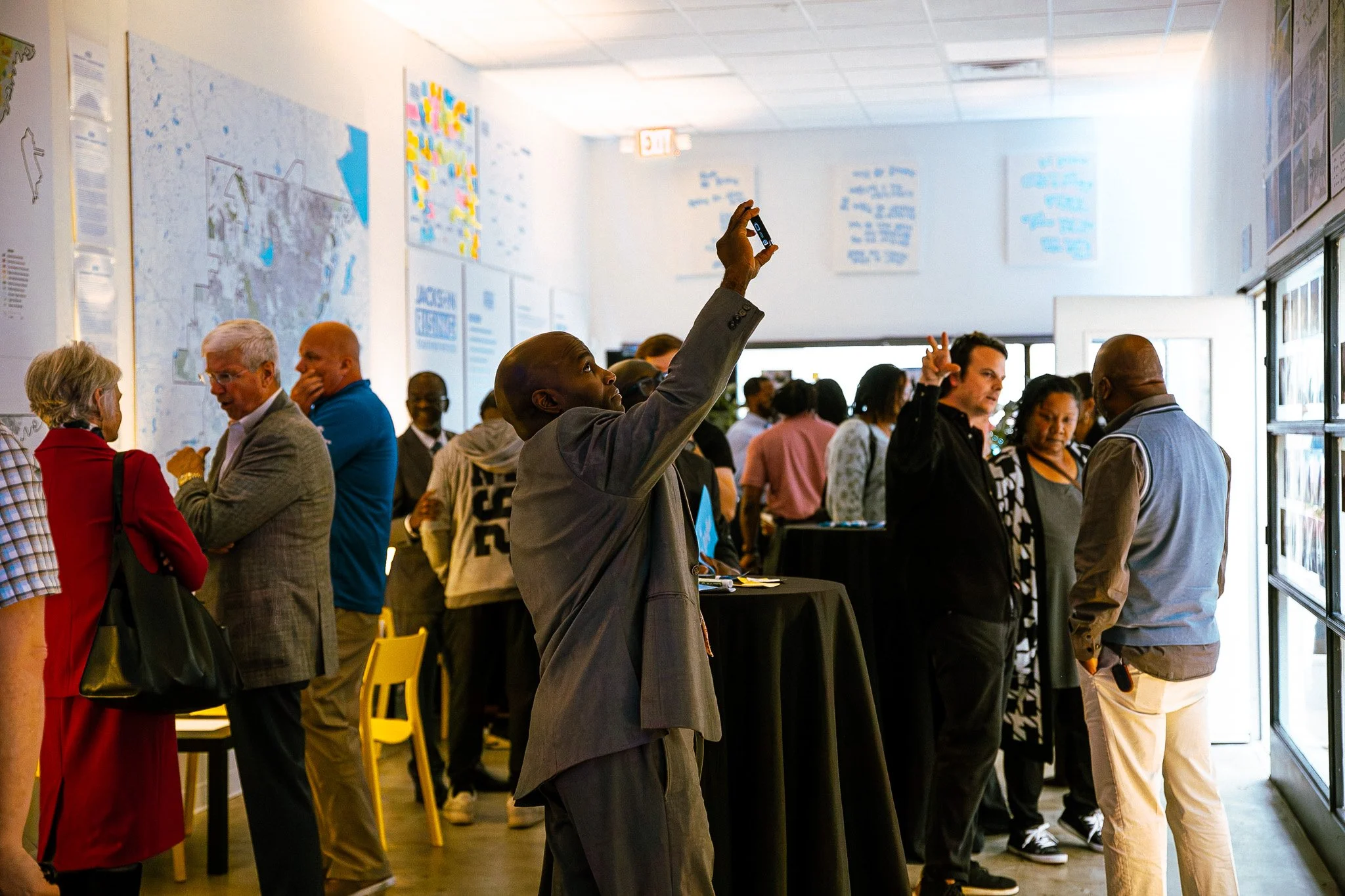
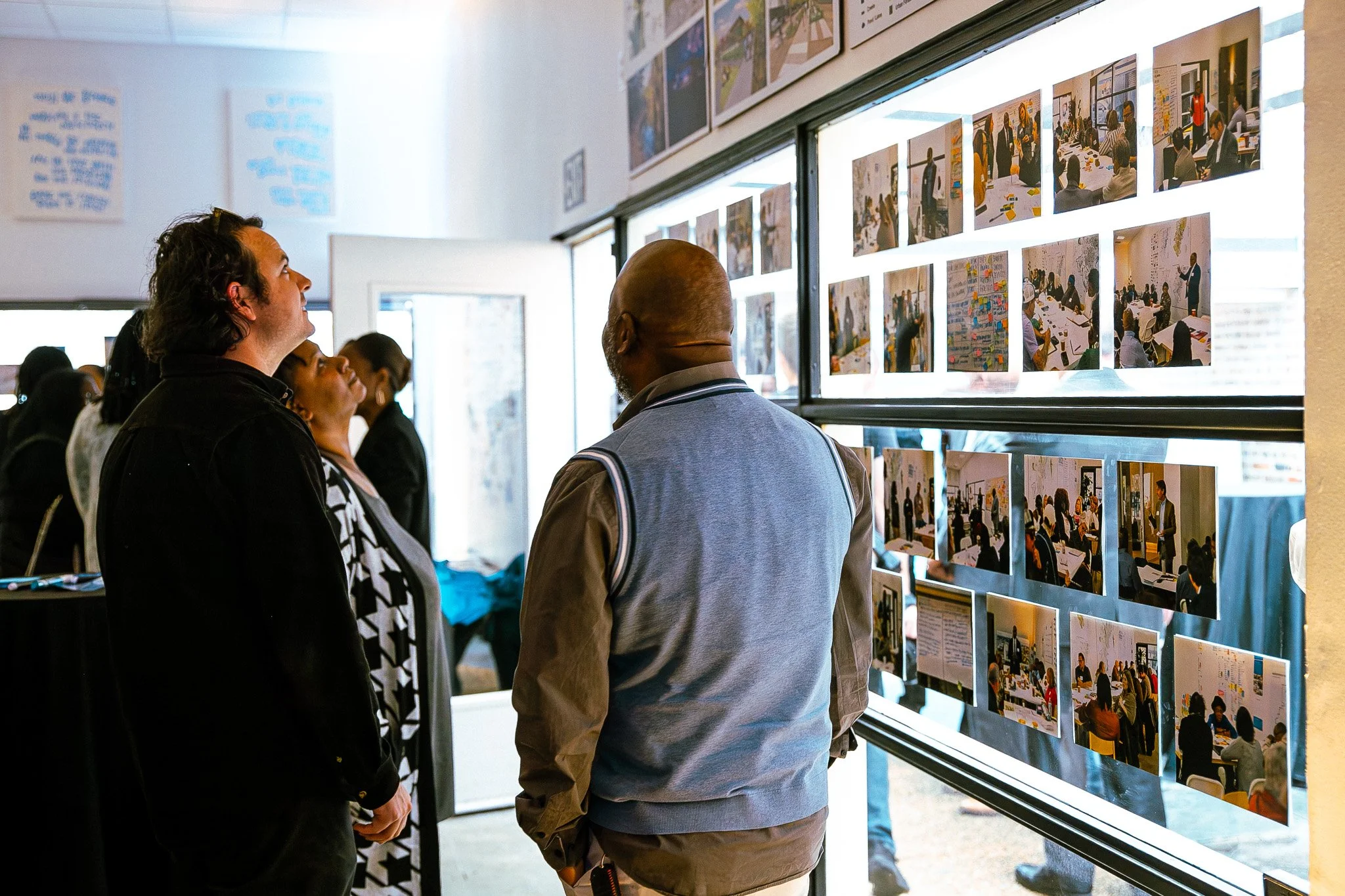
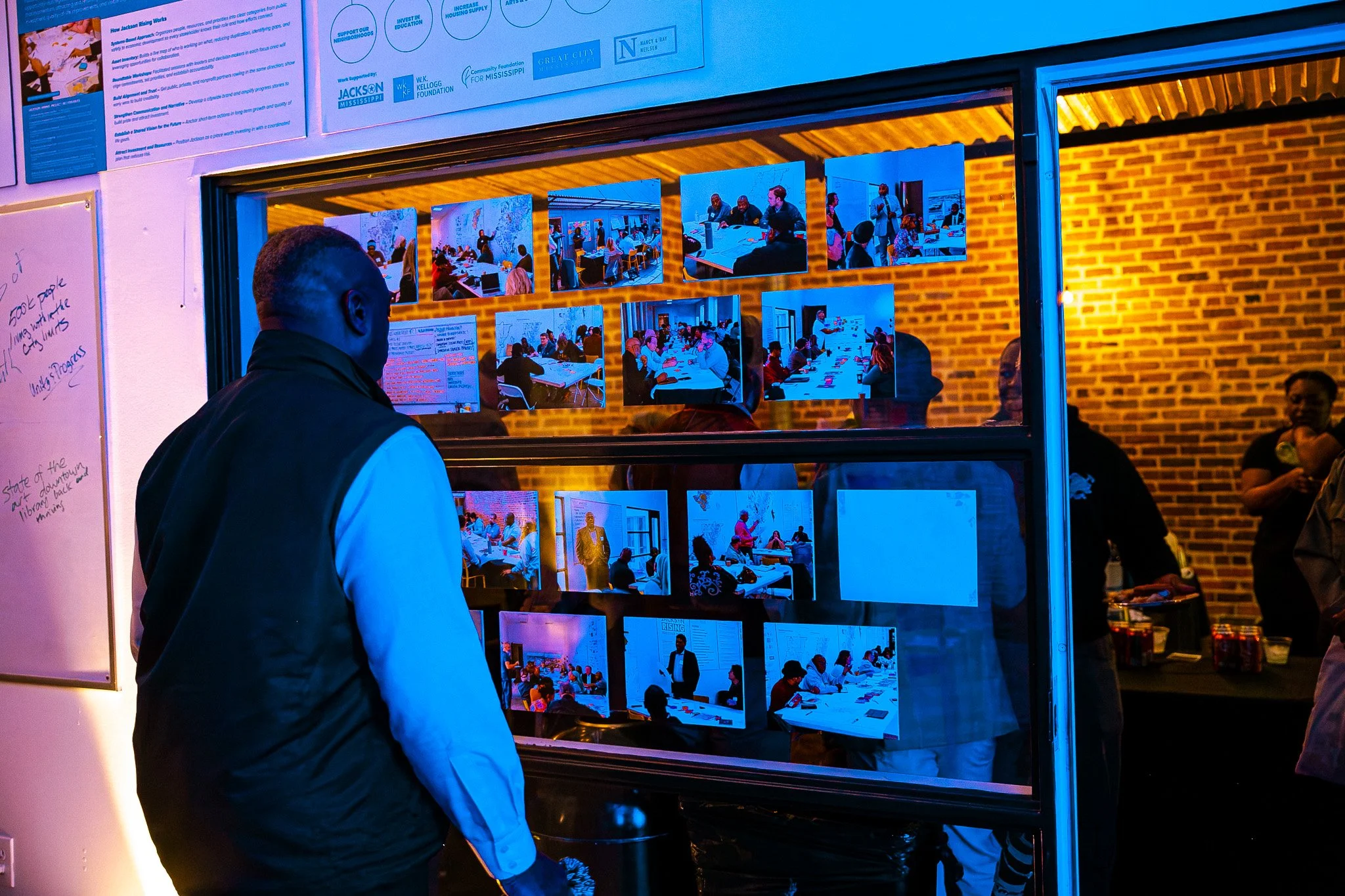
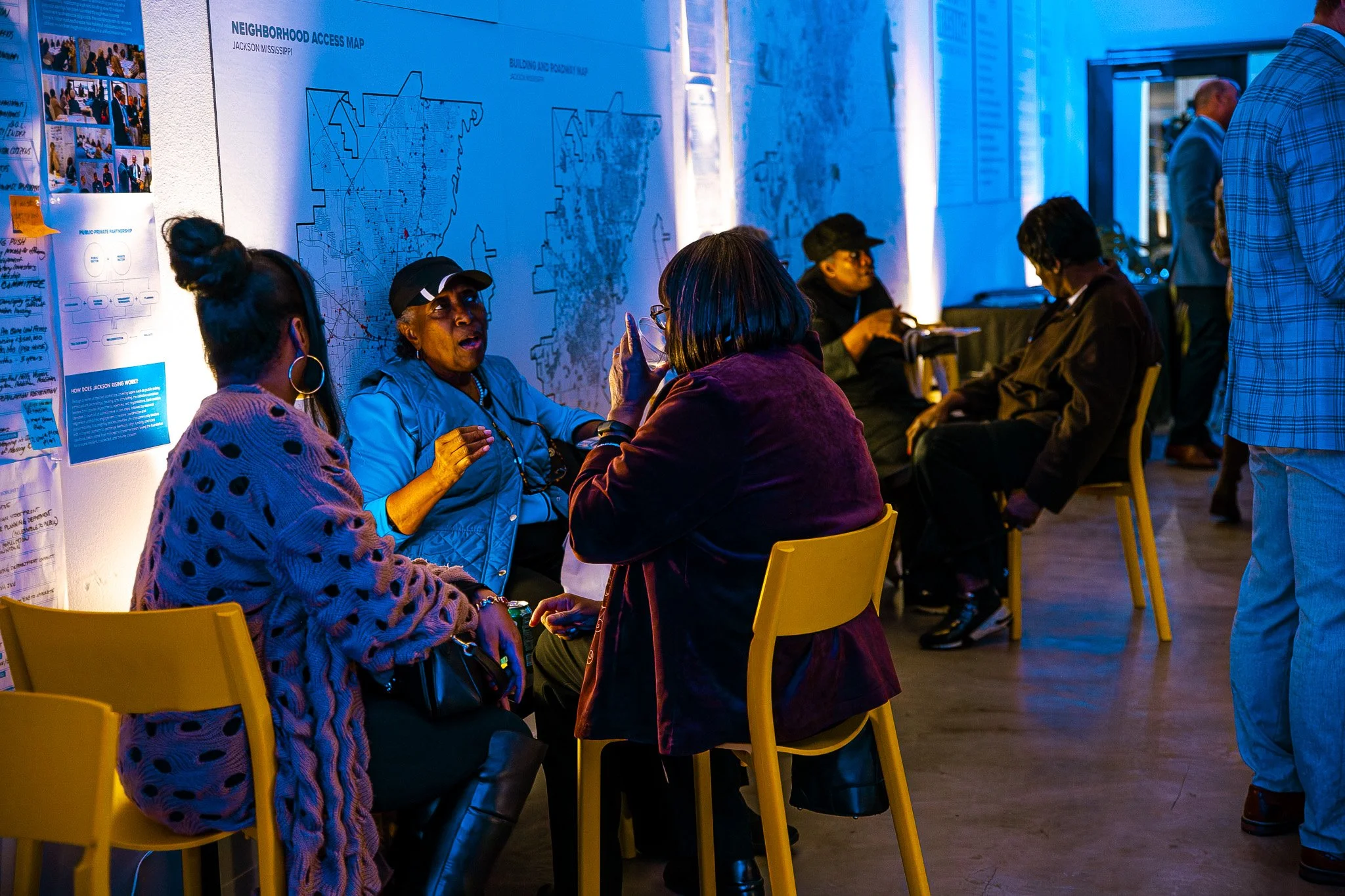
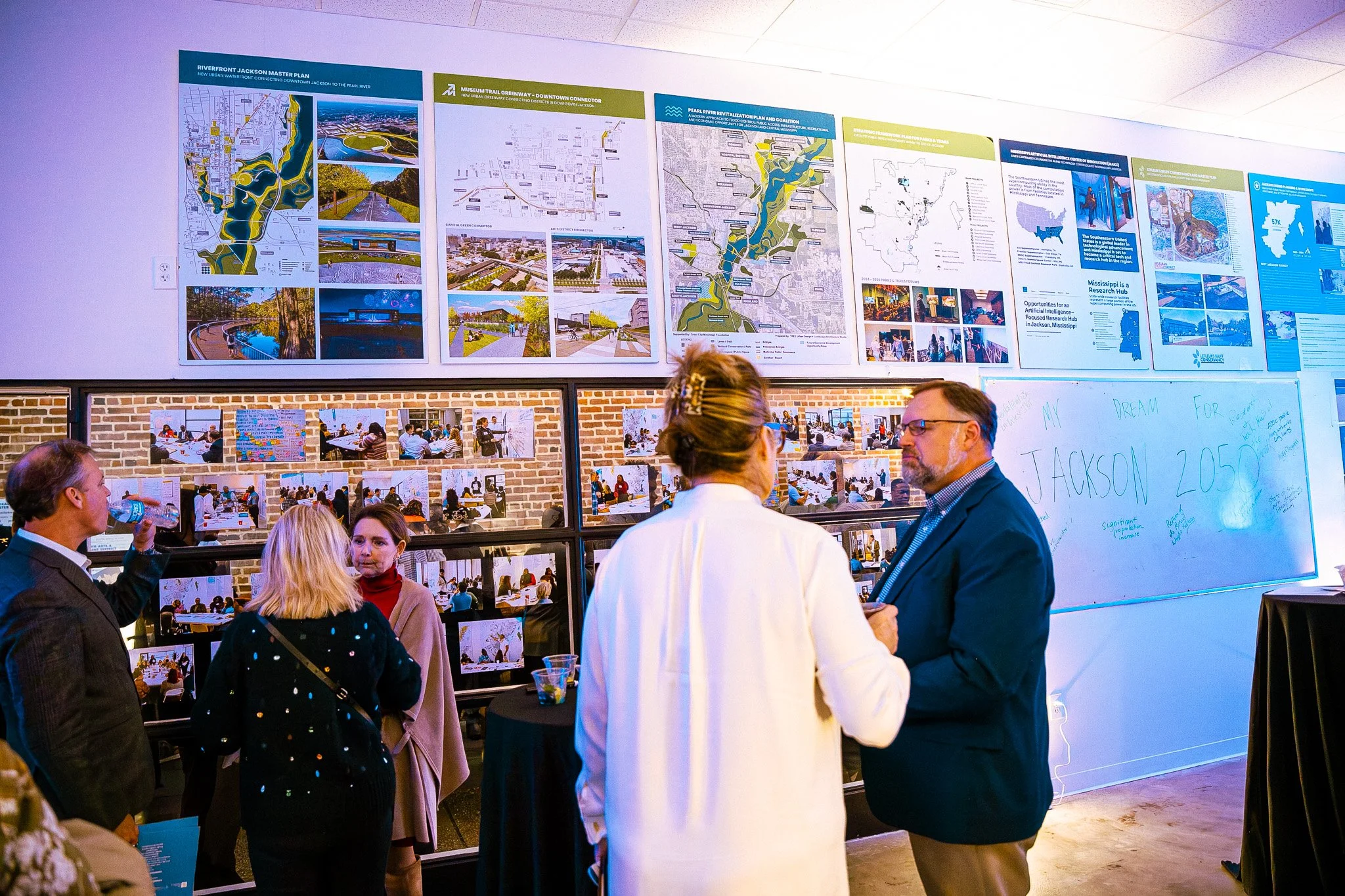
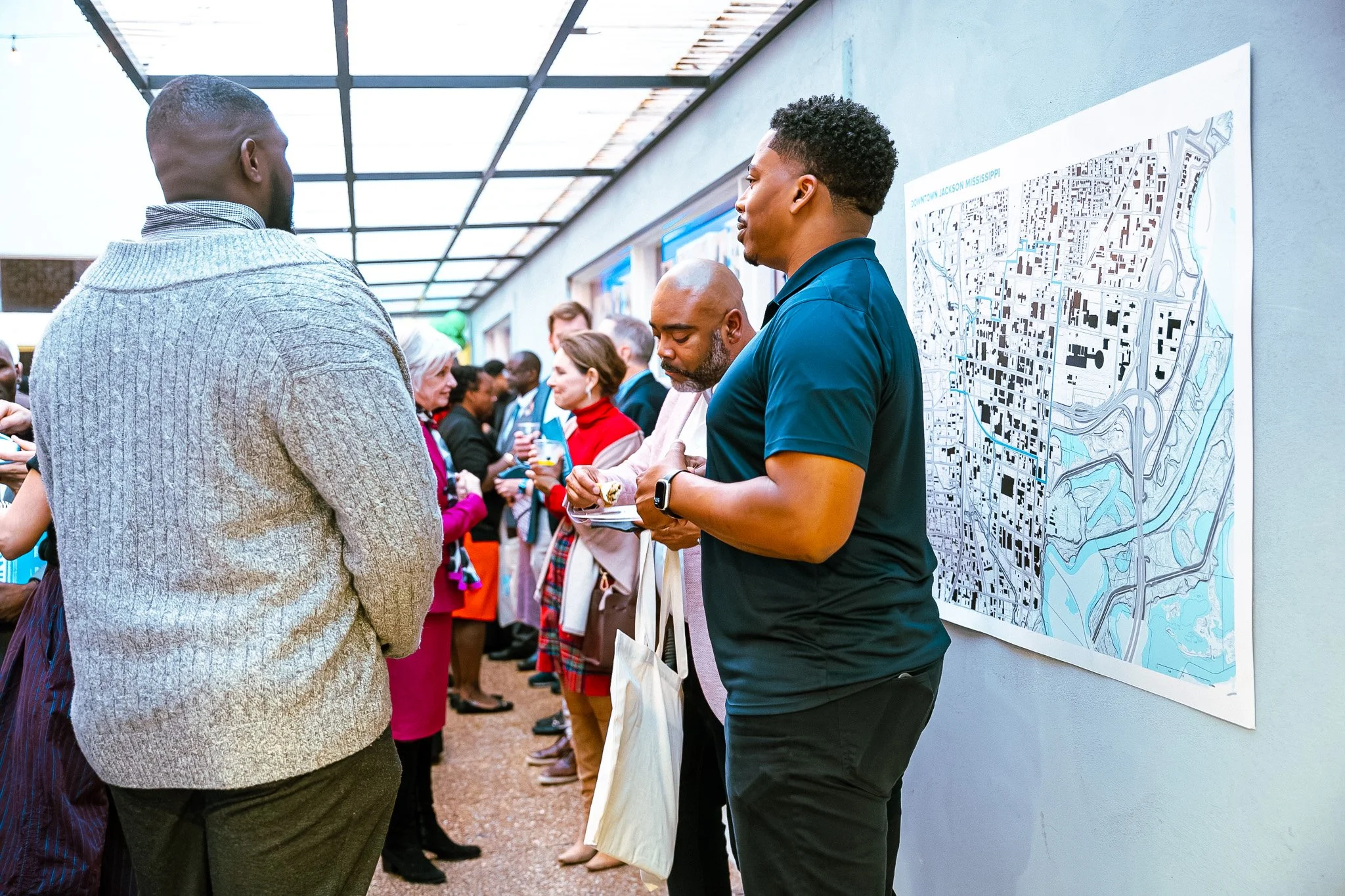
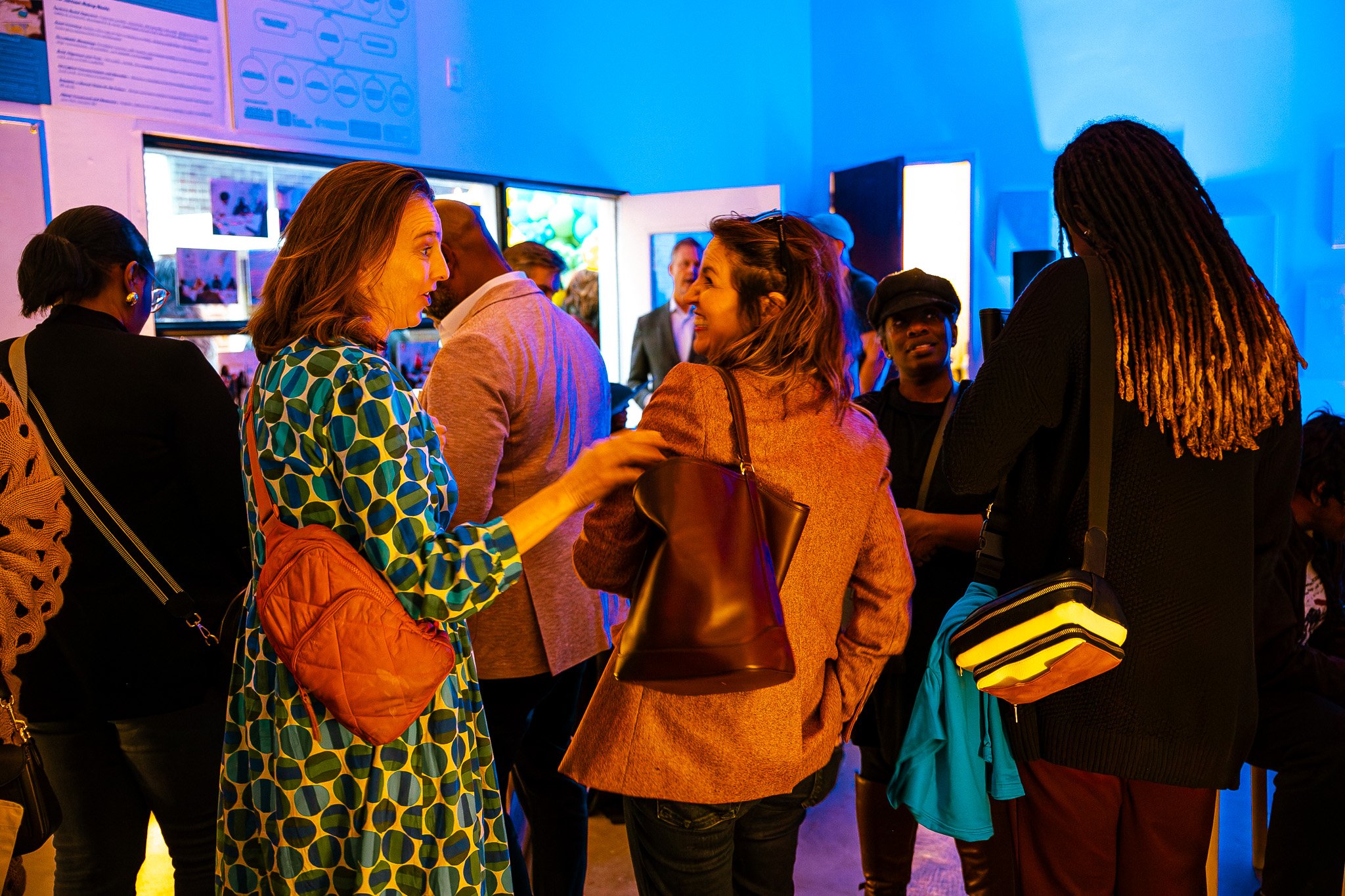
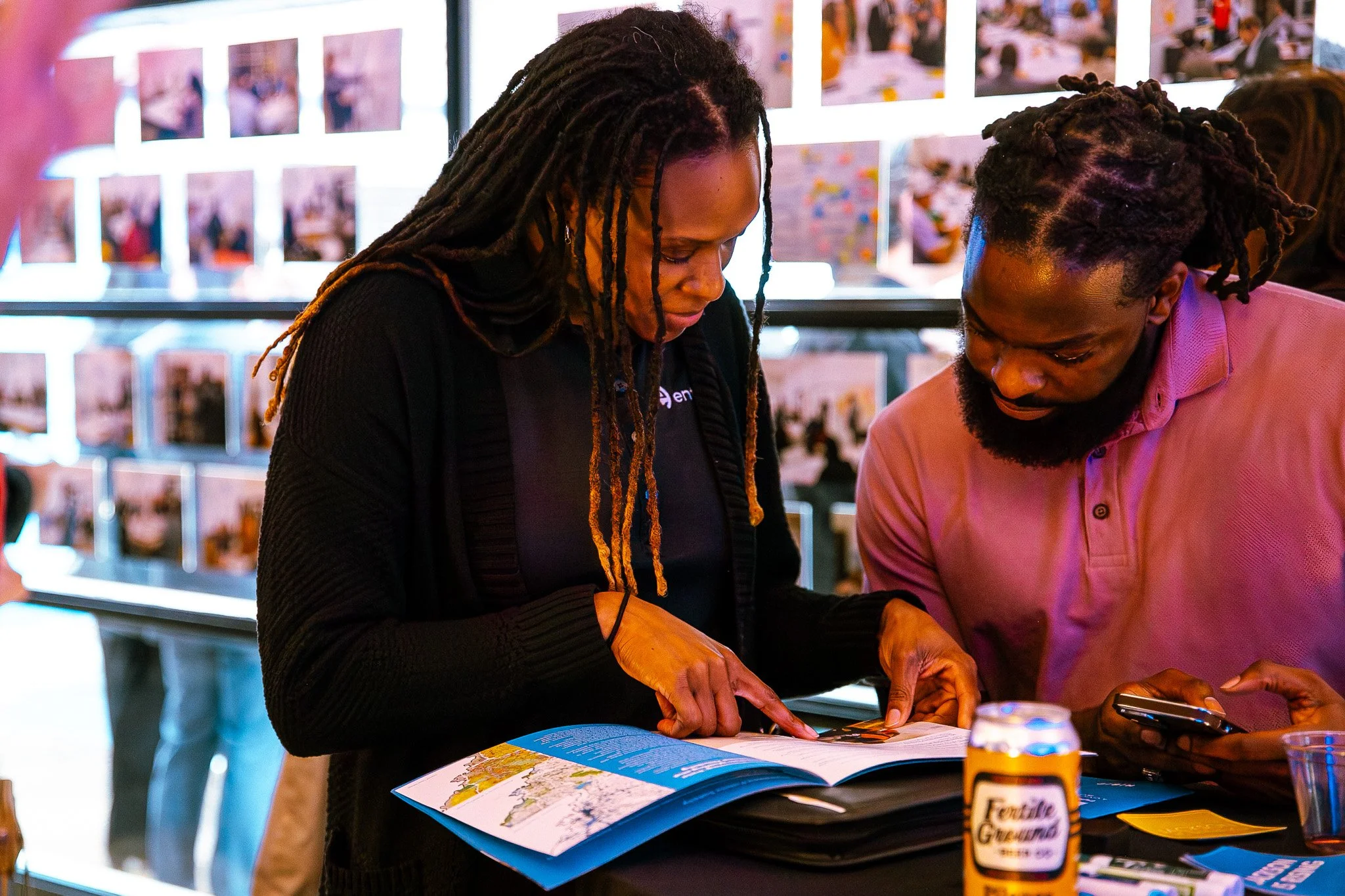
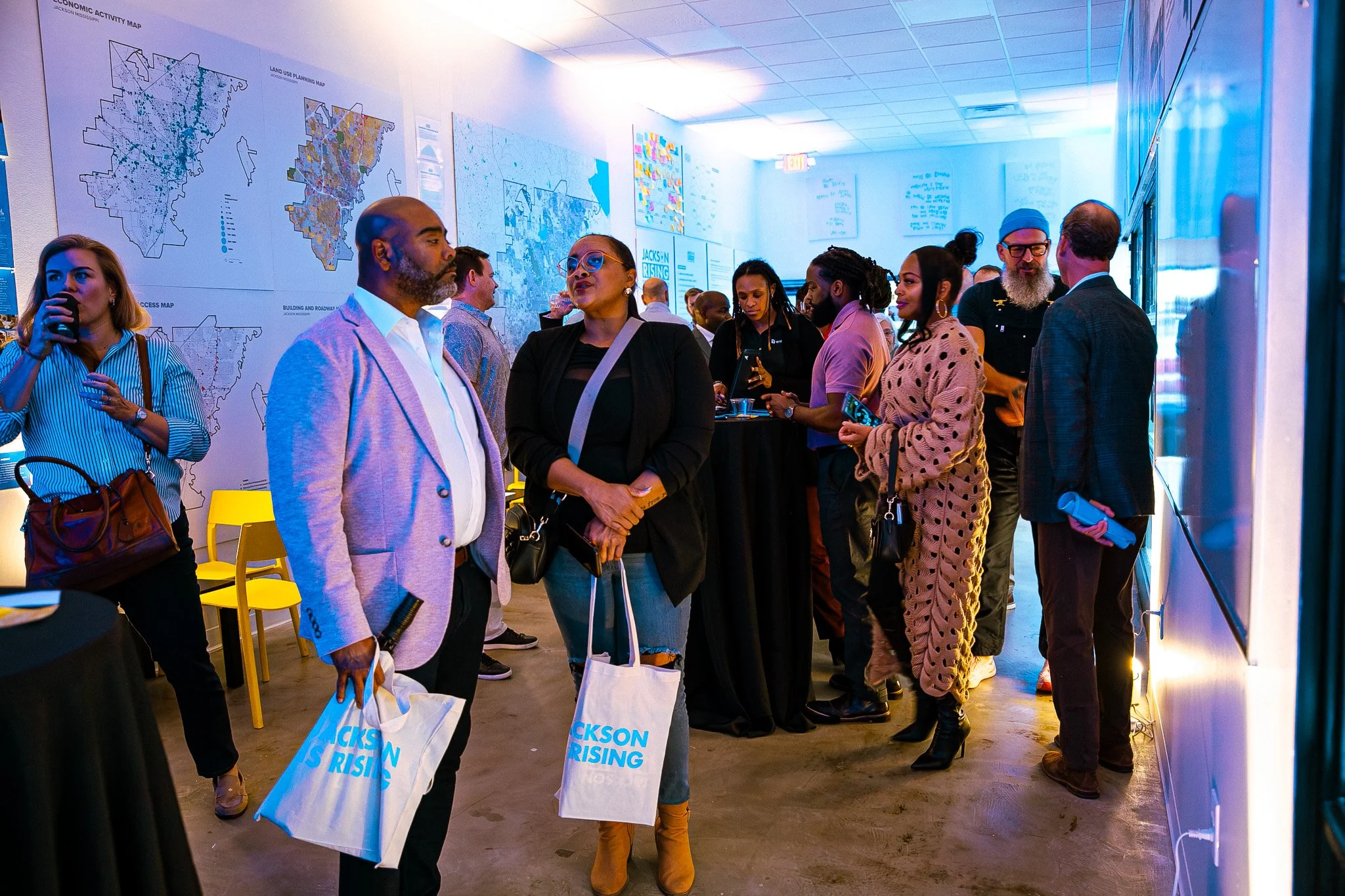
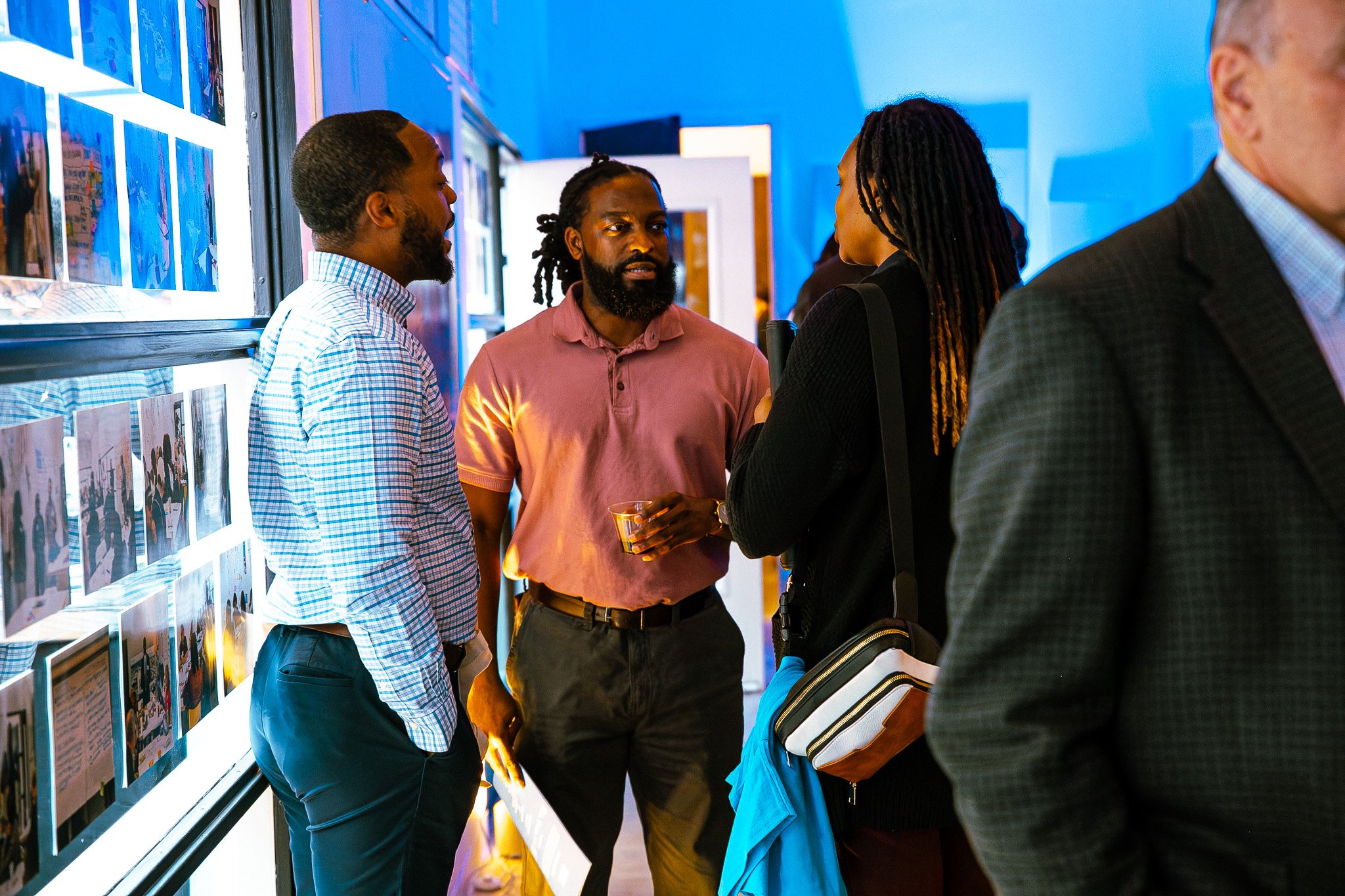
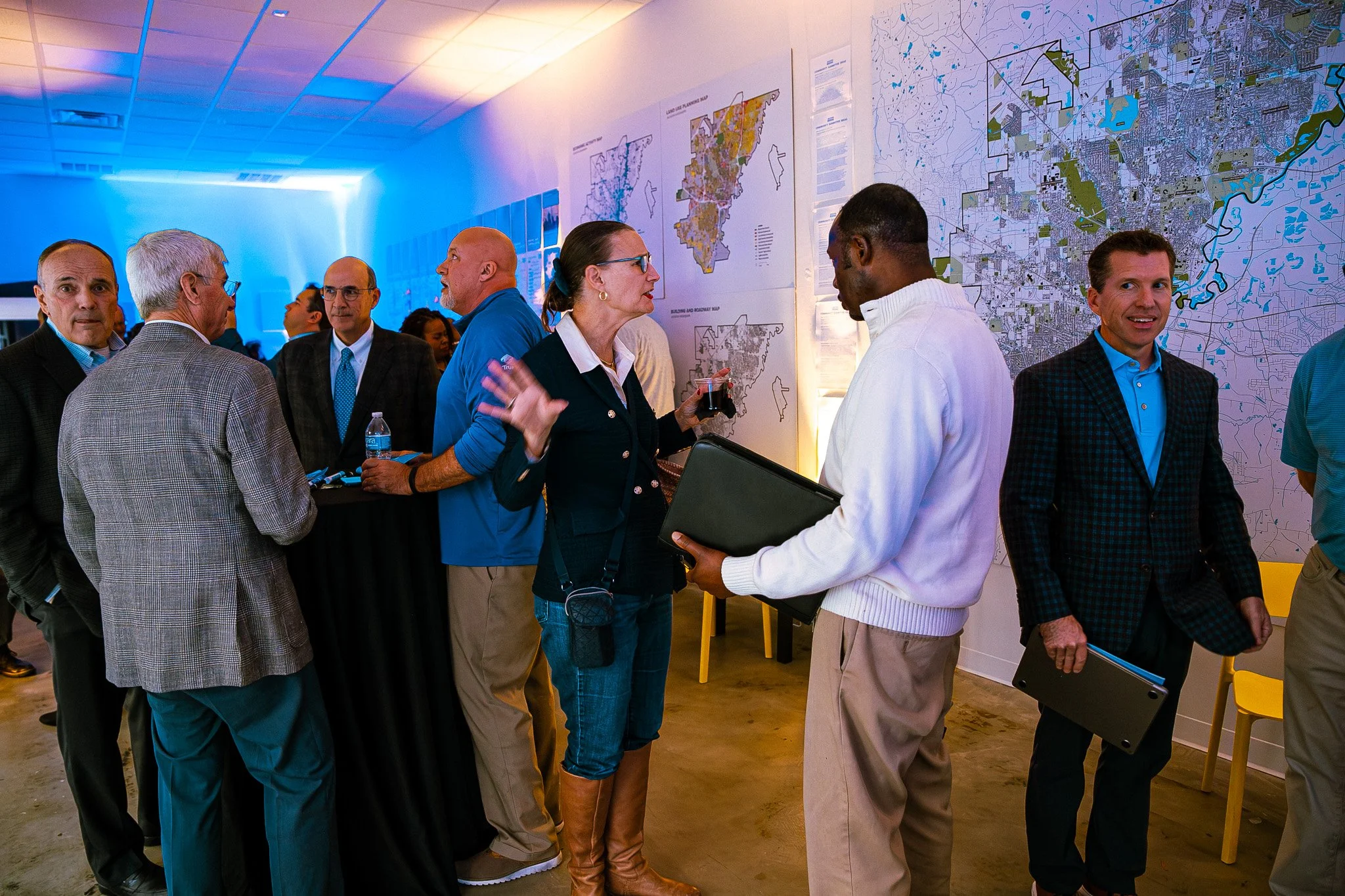
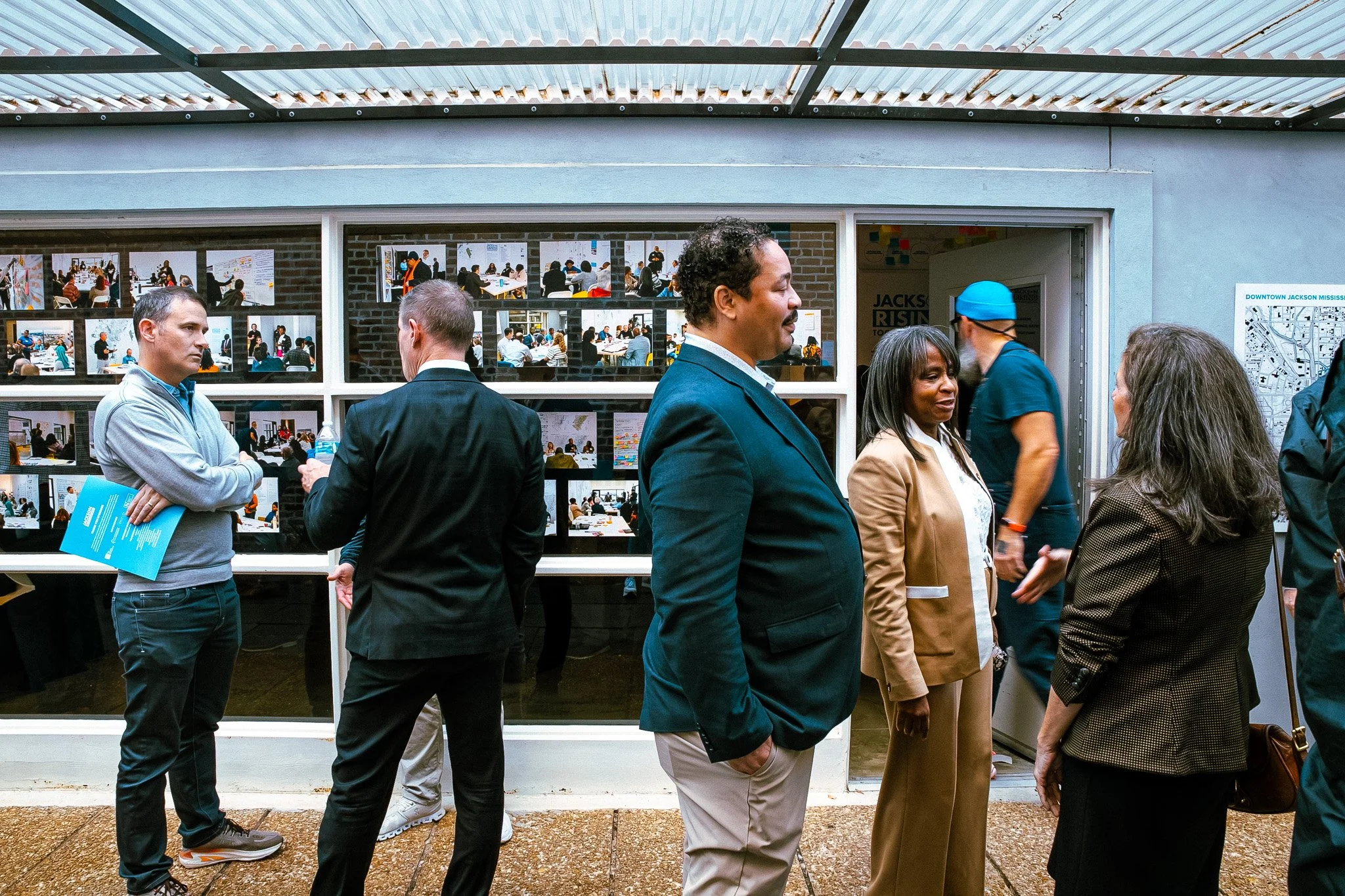
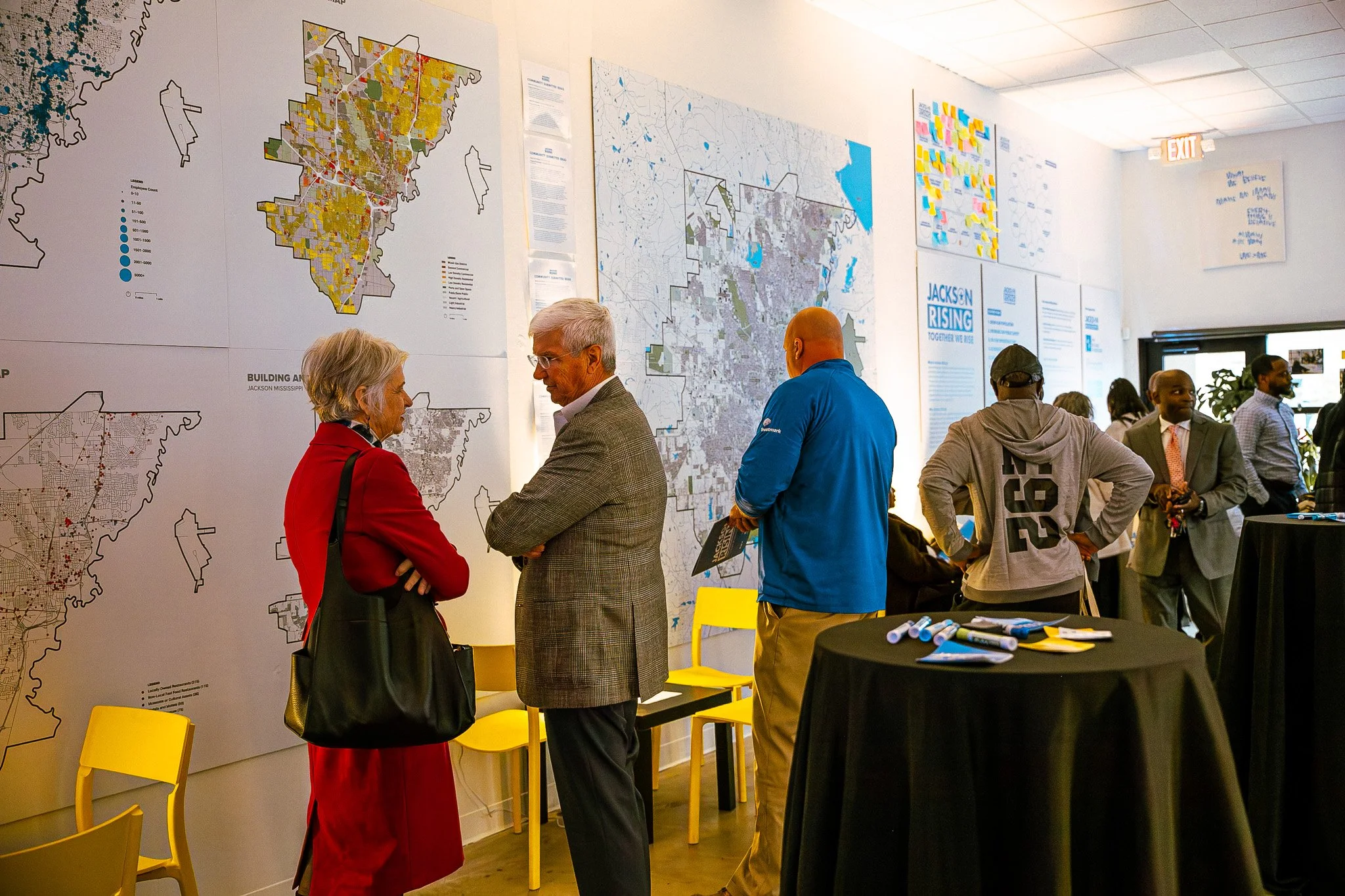
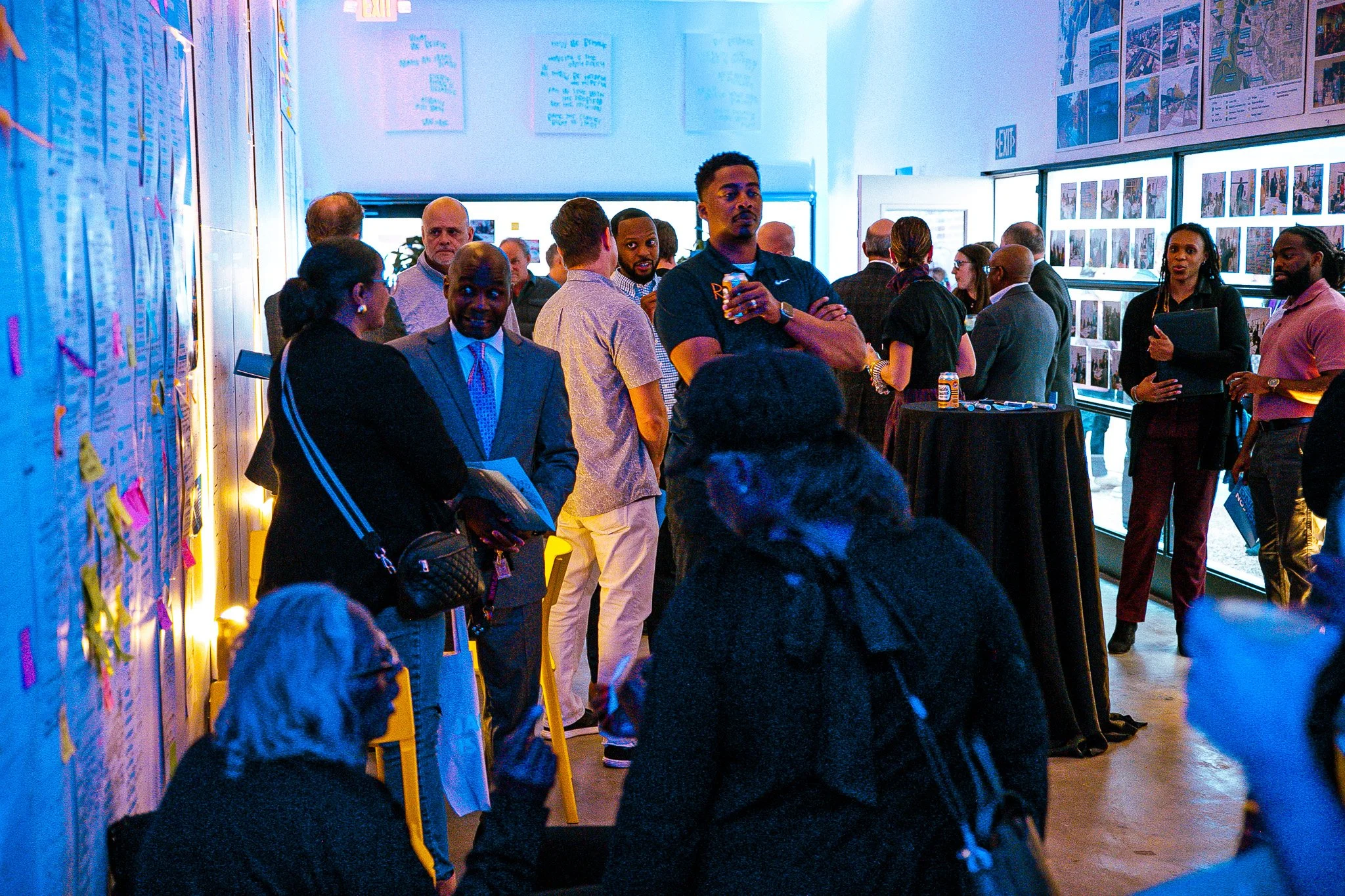
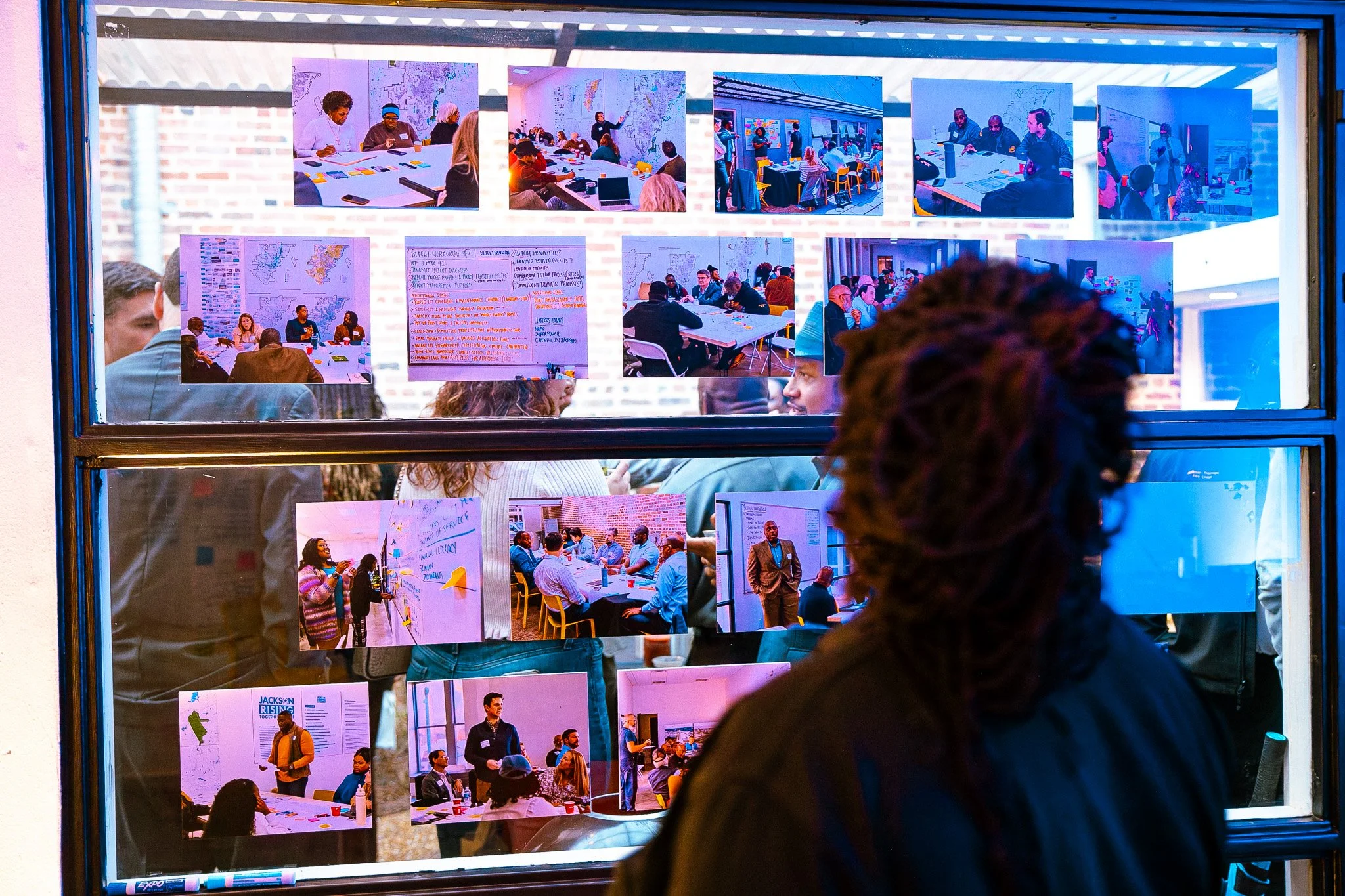
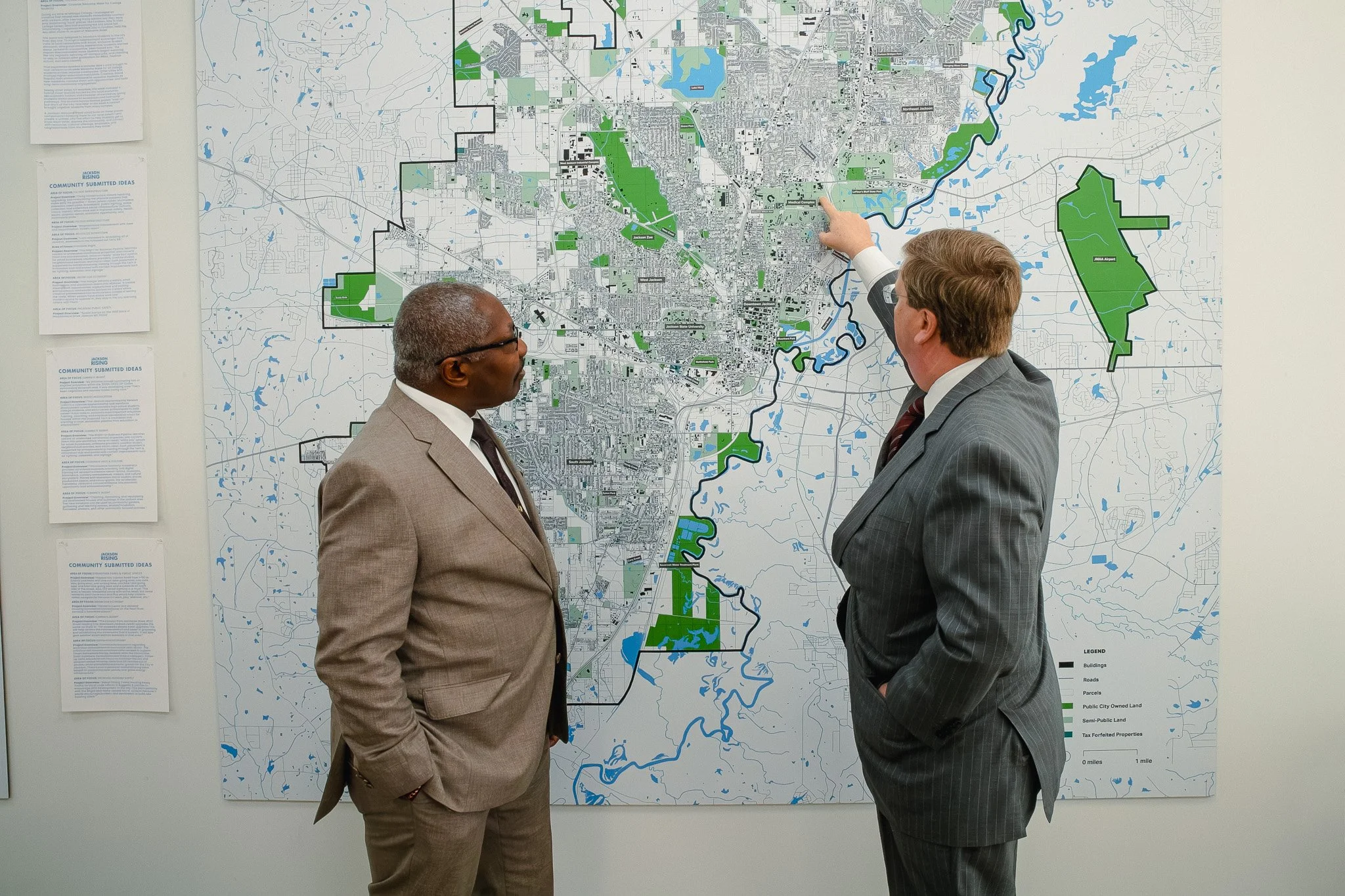
A central component of Jackson Rising involved transforming a vacant storefront on Capitol Street into an active downtown civic workspace for collaboration, research, exhibitions, presentations, and public engagement. TREE helped coordinate the spatial transformation of the space into a working studio environment capable of supporting workshops, strategy sessions, presentations, and large scale visual mapping installations throughout the duration of the initiative. The space functioned as a public facing engagement environment and planning studio where participants could interact directly with citywide datasets, implementation frameworks, neighborhood analysis, and strategic development concepts. Large scale wall maps, photography installations, diagrams, and research displays transformed the storefront into a visible platform for civic coordination and collaborative planning in the center of downtown Jackson.
Supporting Working Groups
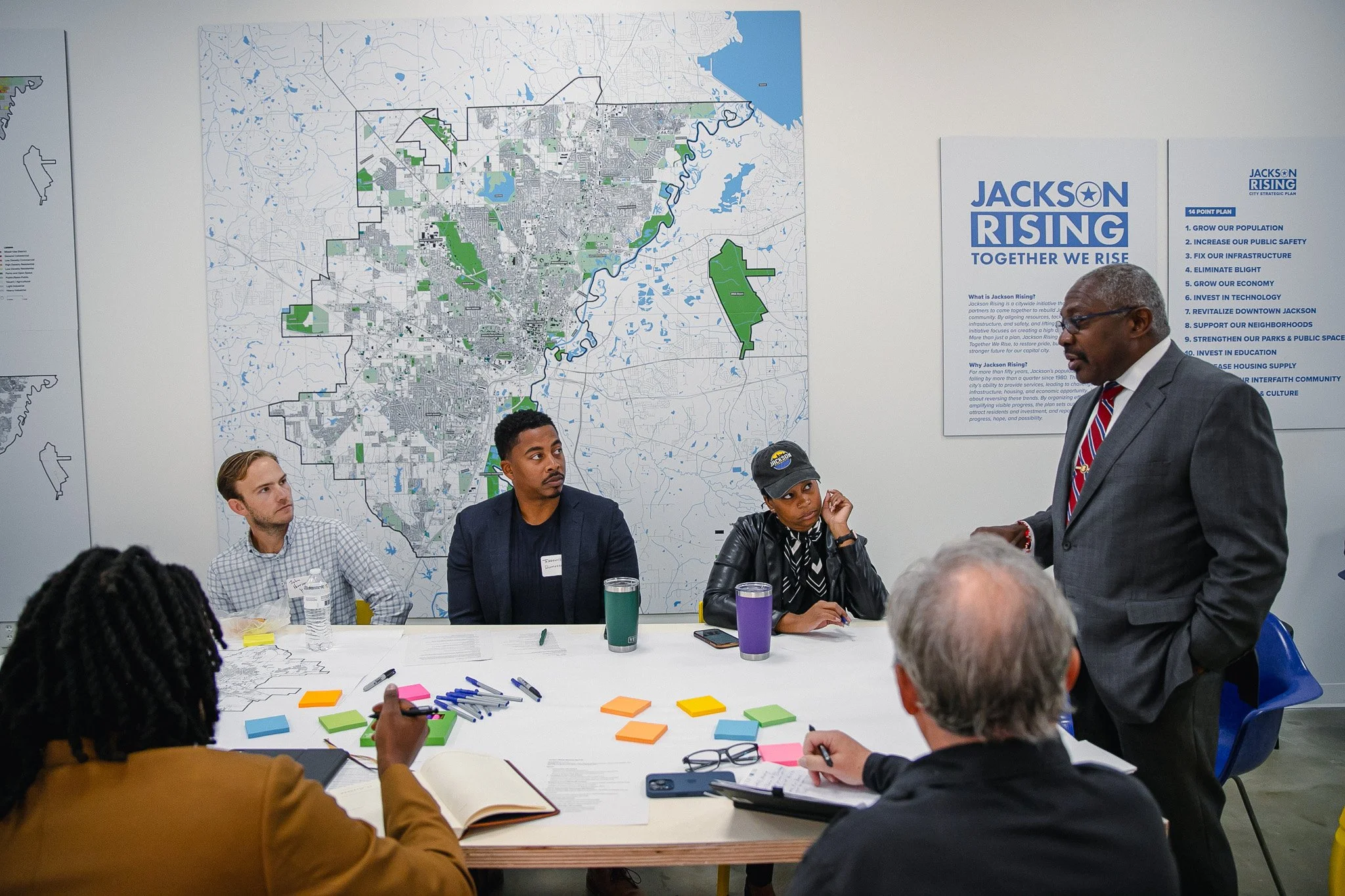
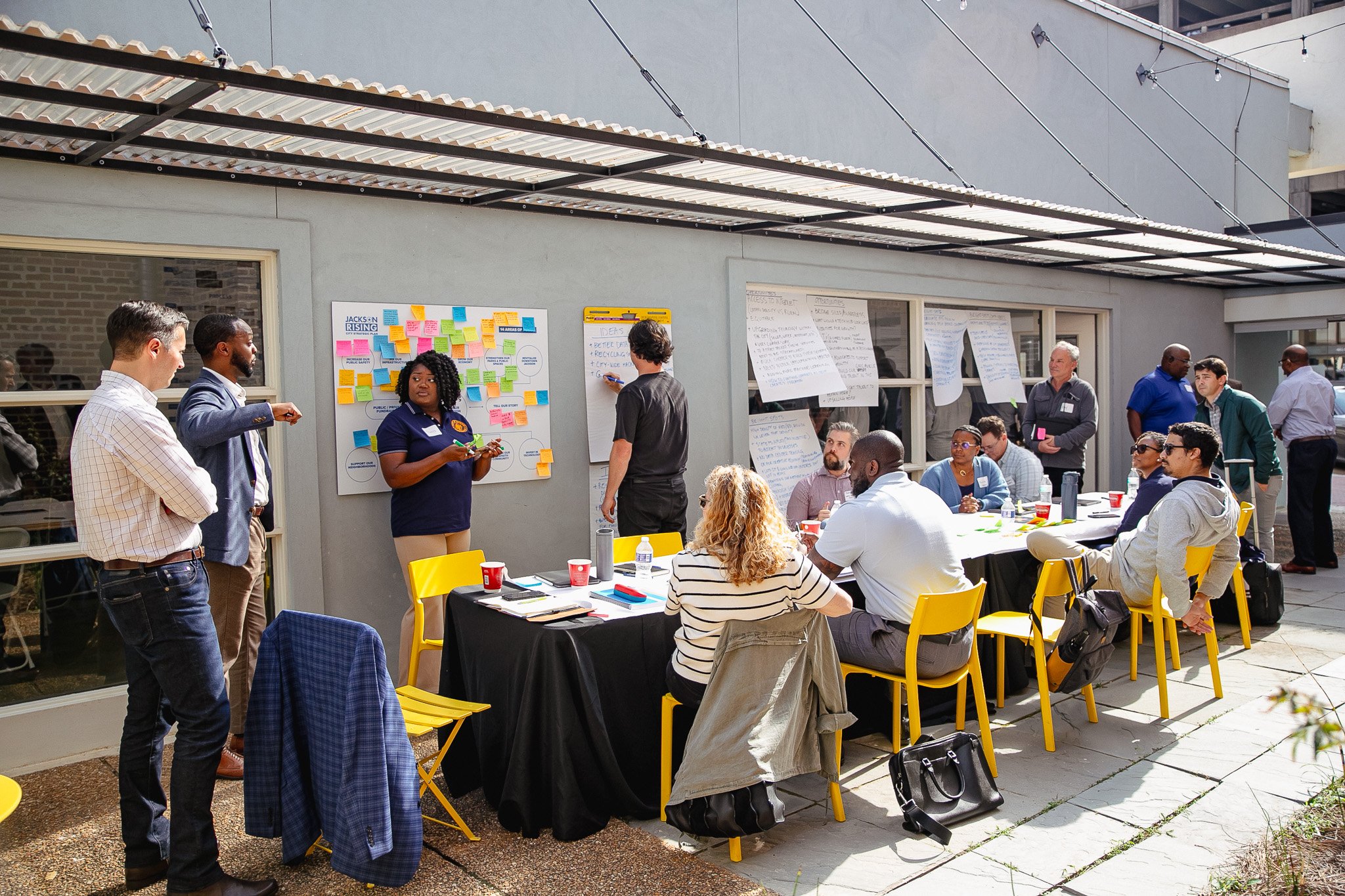
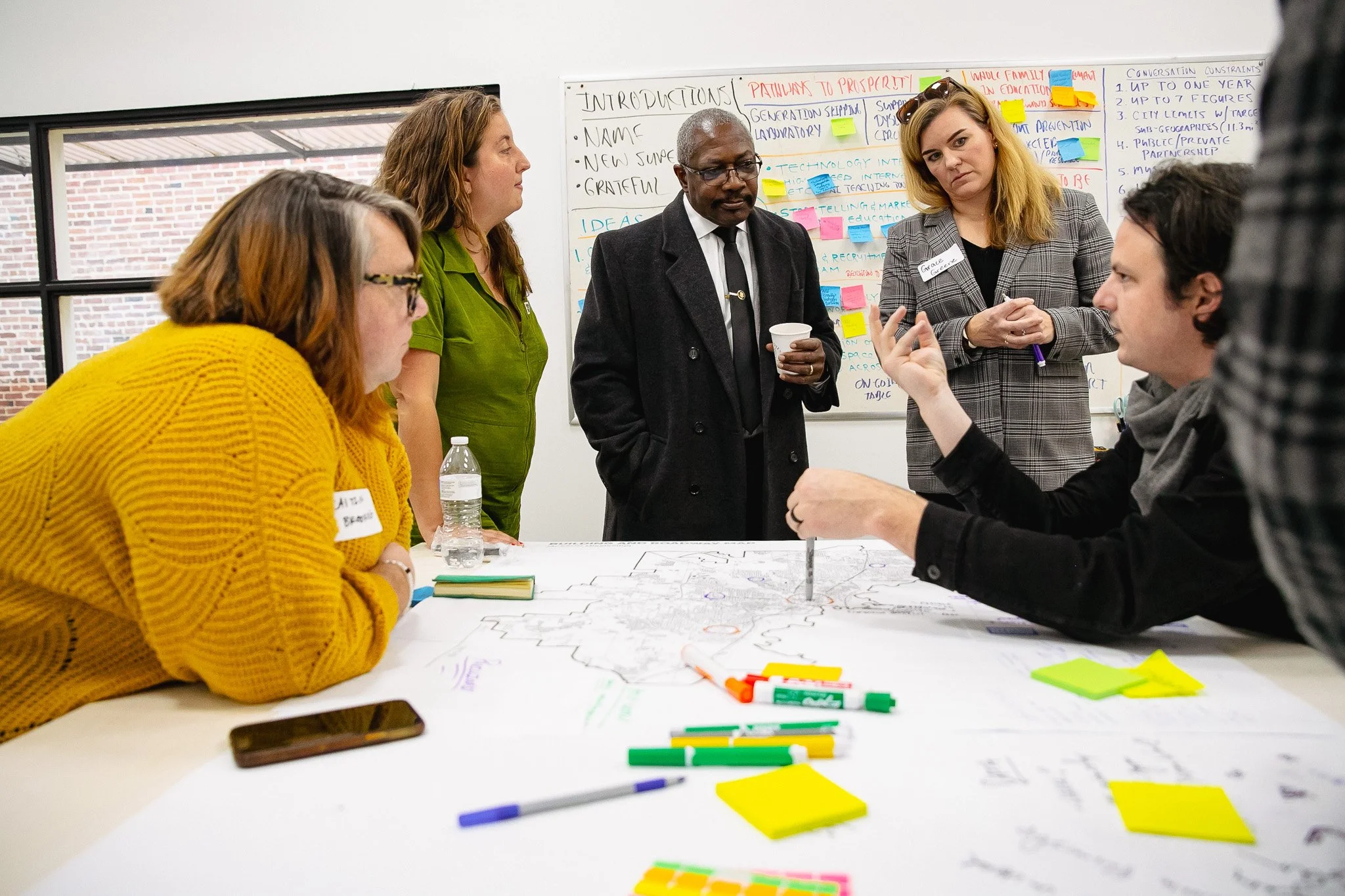
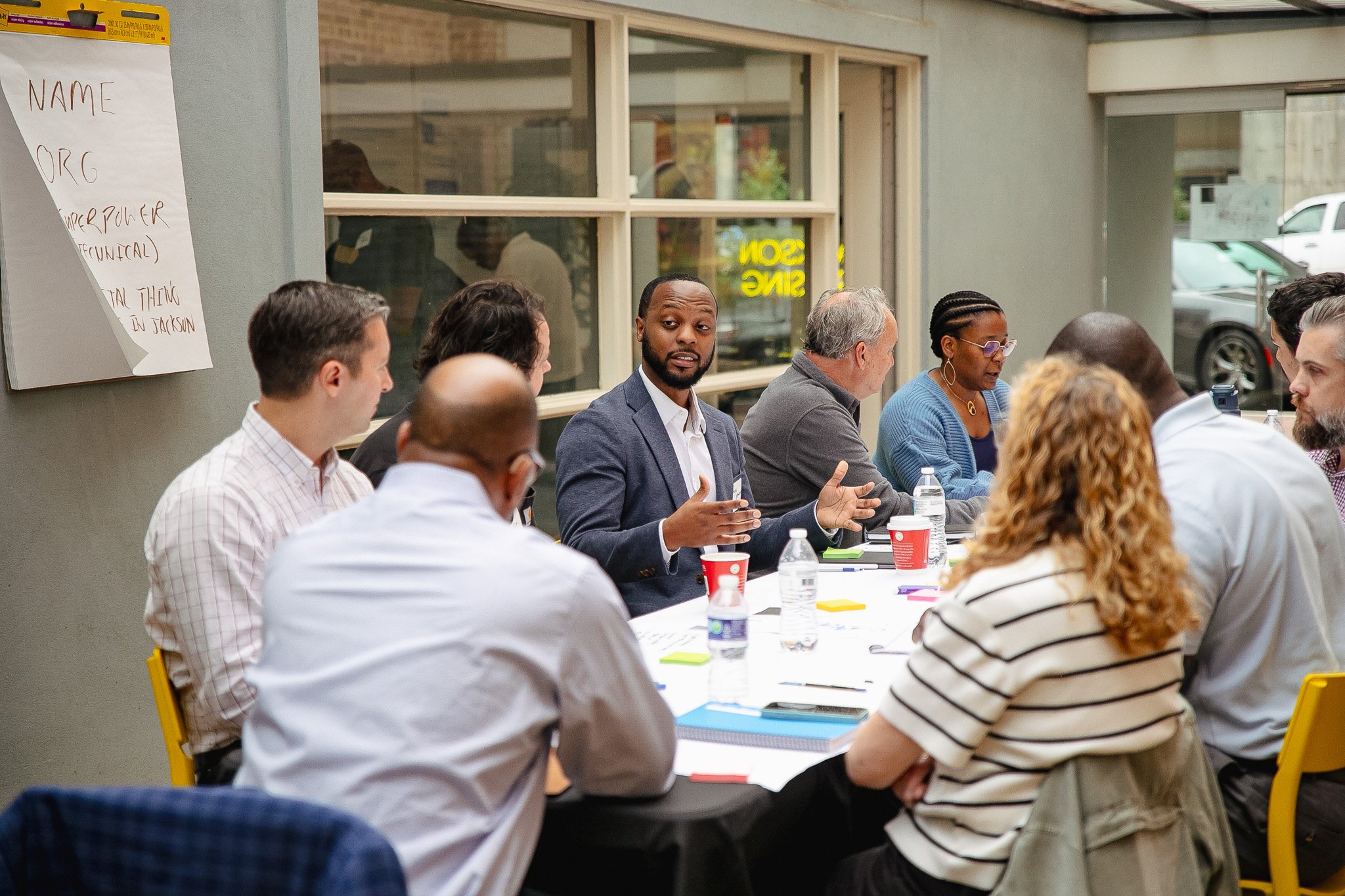
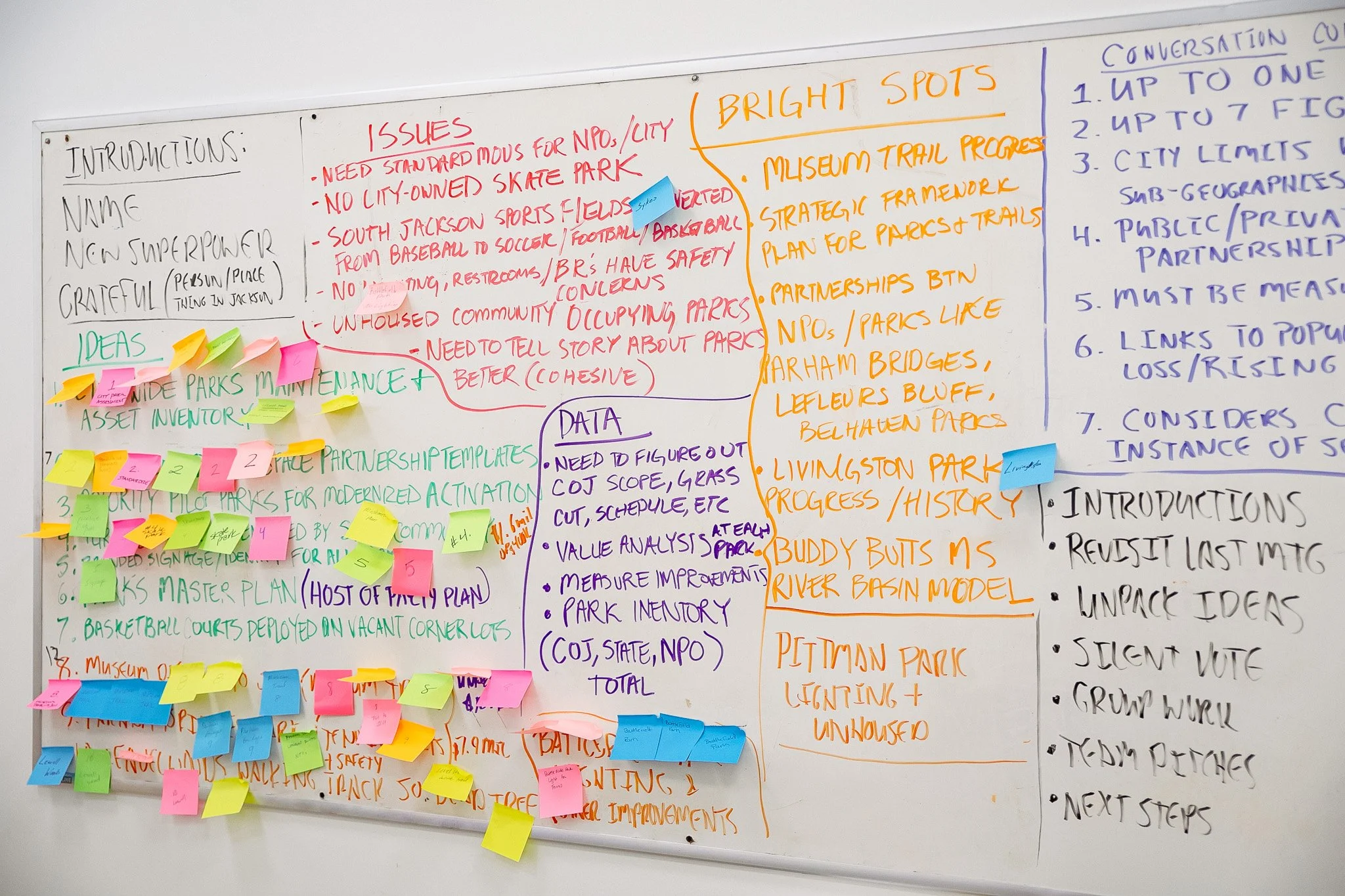
Jackson Rising organized participants into 14 interdisciplinary working groups focused on major civic systems including infrastructure, housing, economic development, public safety, healthcare, transportation, technology, education, arts and culture, neighborhood revitalization, and parks and public space. TREE supported these groups through research, graphics, facilitation materials, precedent studies, presentations, and strategic planning frameworks. This included the development of supporting initiatives such as the Strategic Framework Plan for Parks & Trails, which explored how green and blue infrastructure, connectivity systems, and public space investment could support long term environmental resilience and equitable community development throughout Jackson. The initiative emphasized collaboration between sectors that do not traditionally operate together, creating opportunities for government agencies, nonprofits, businesses, institutions, and community leaders to collectively evaluate implementation priorities and long term investment strategies.
City Scale Mapping + Spatial Analysis
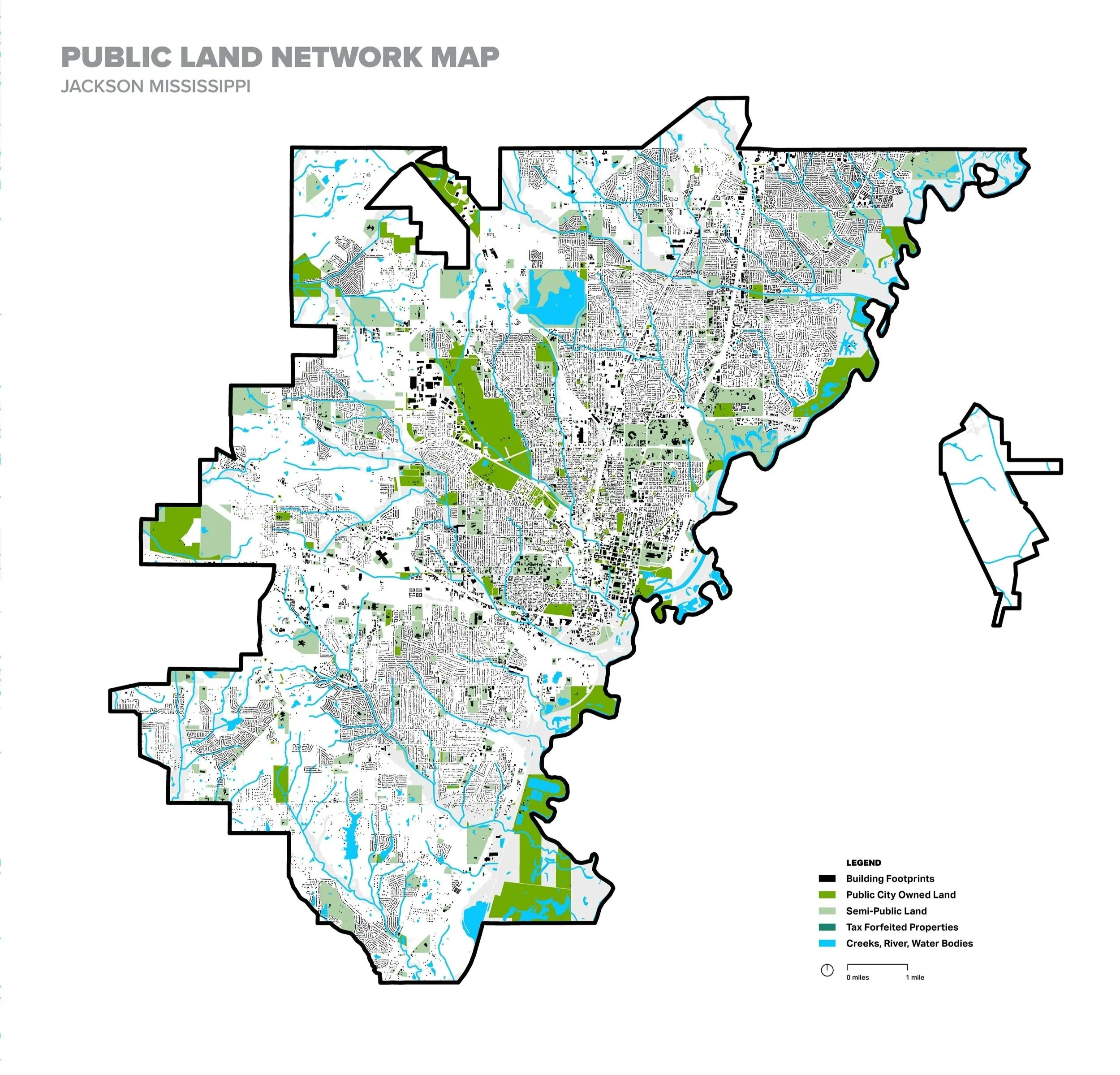
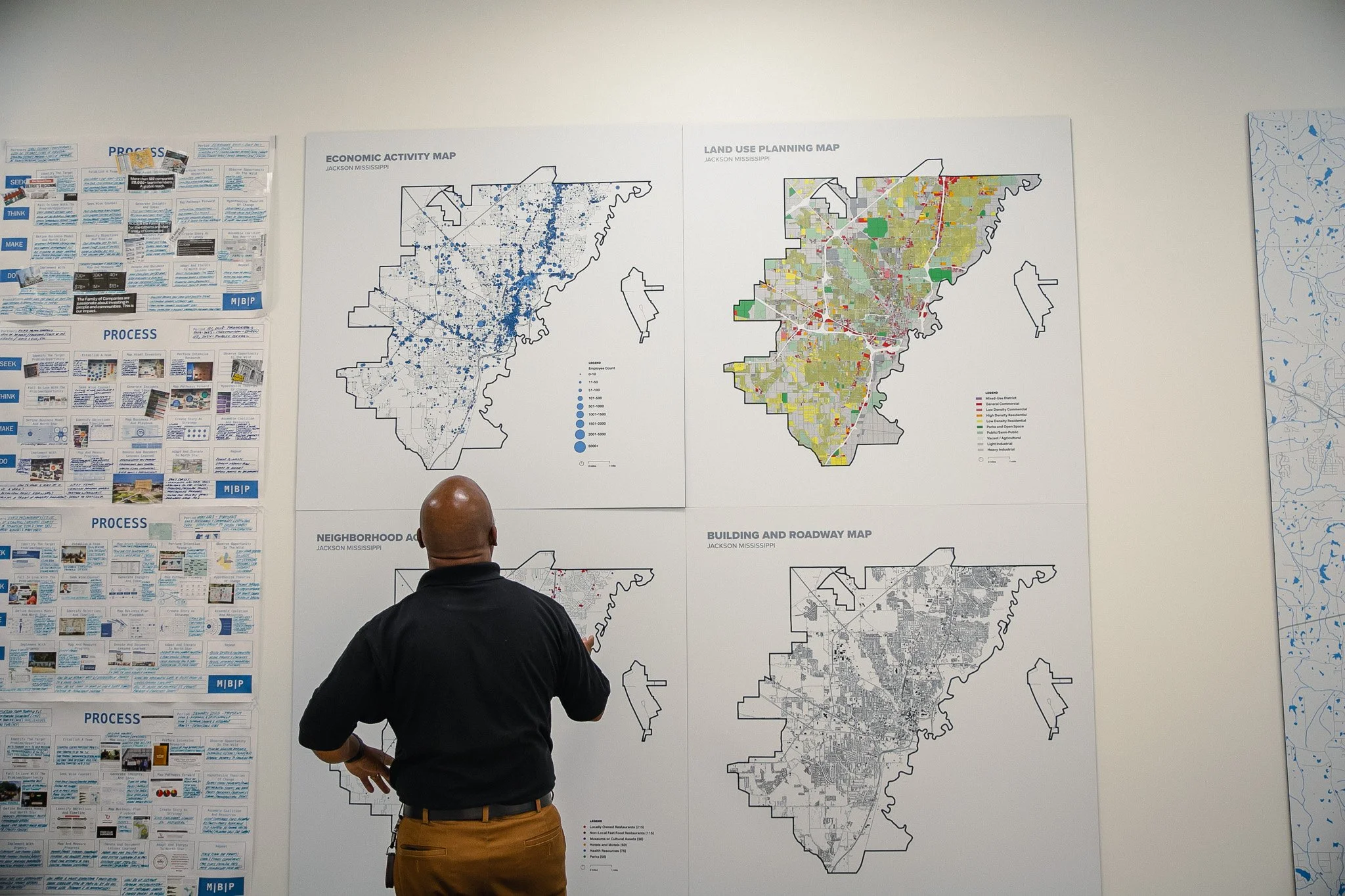
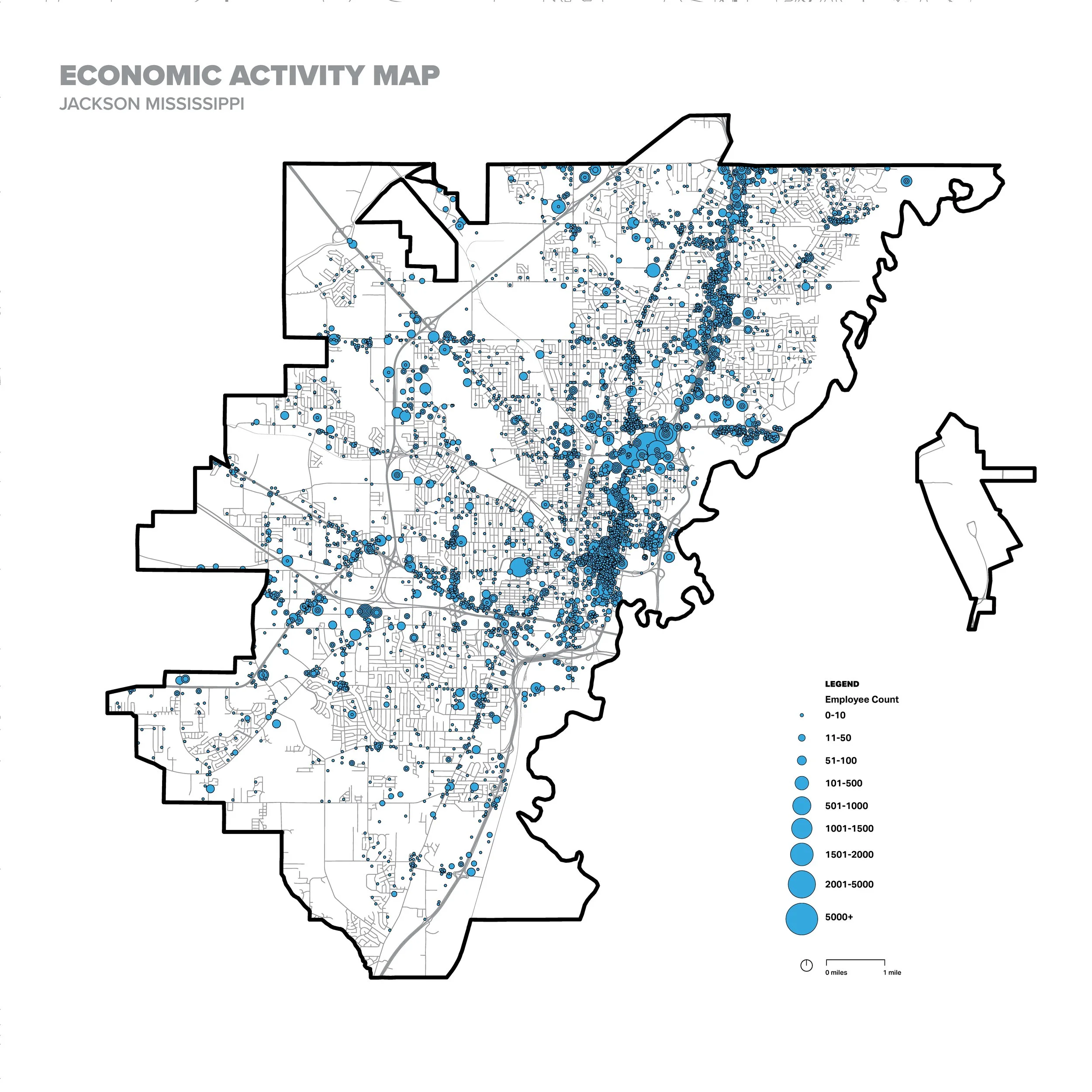
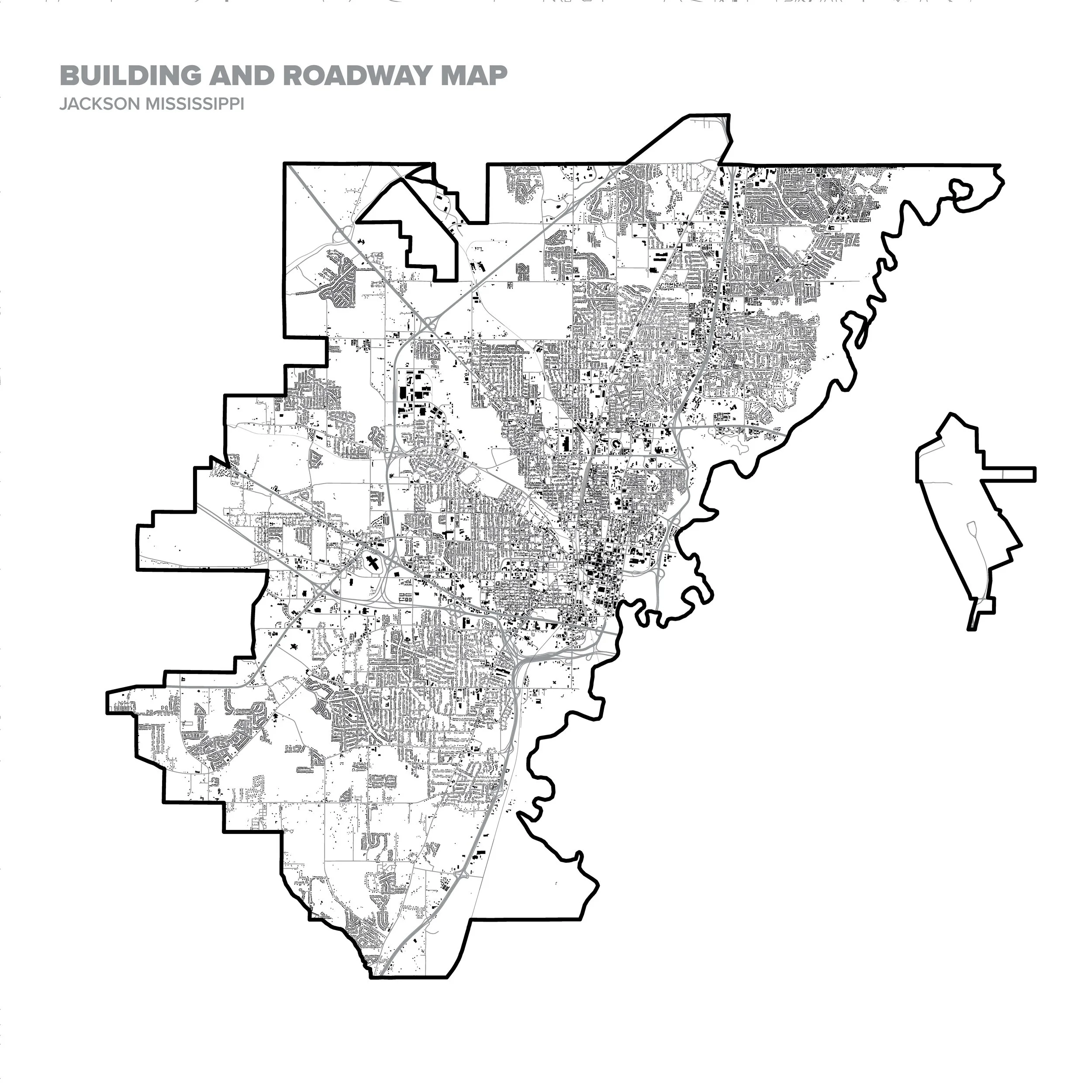
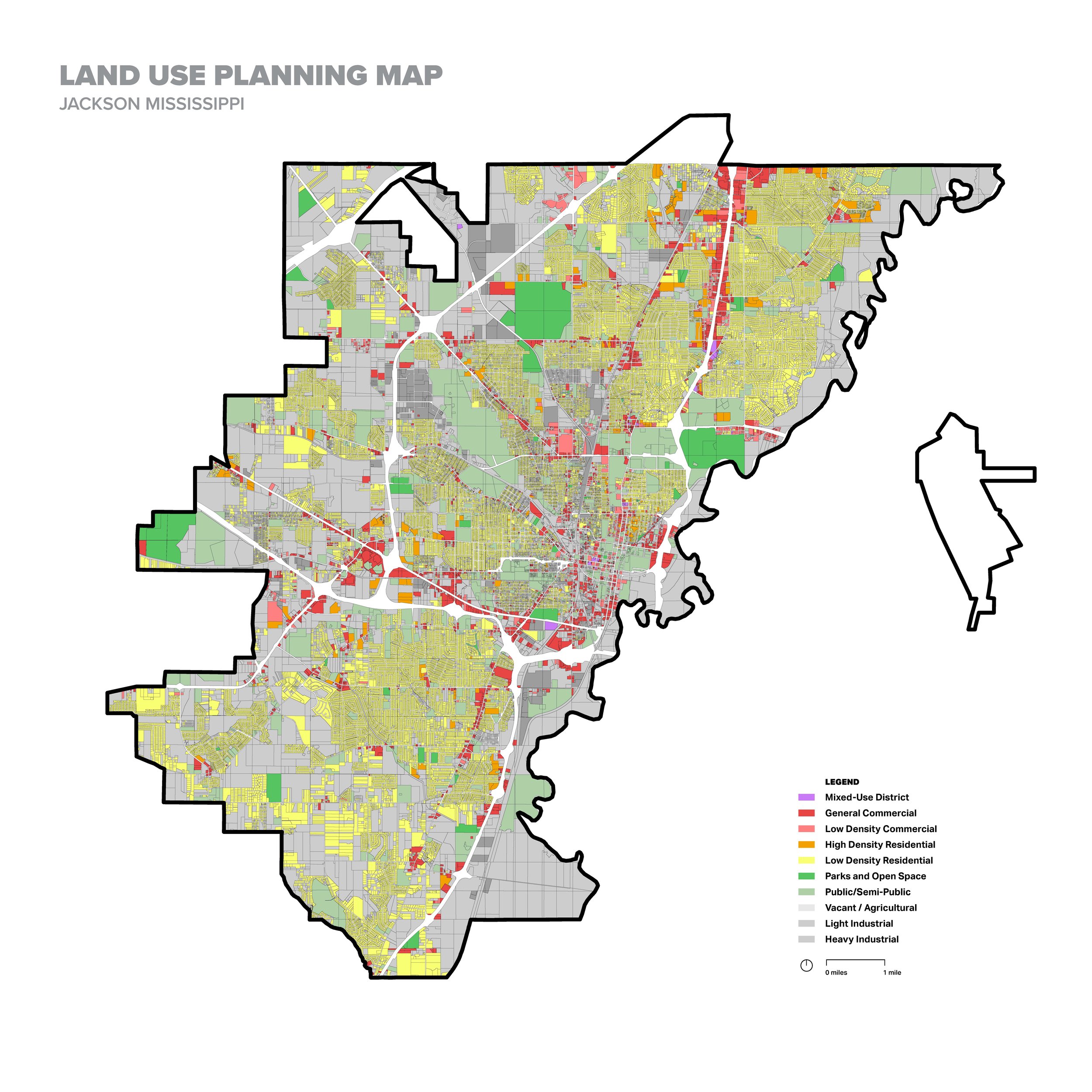
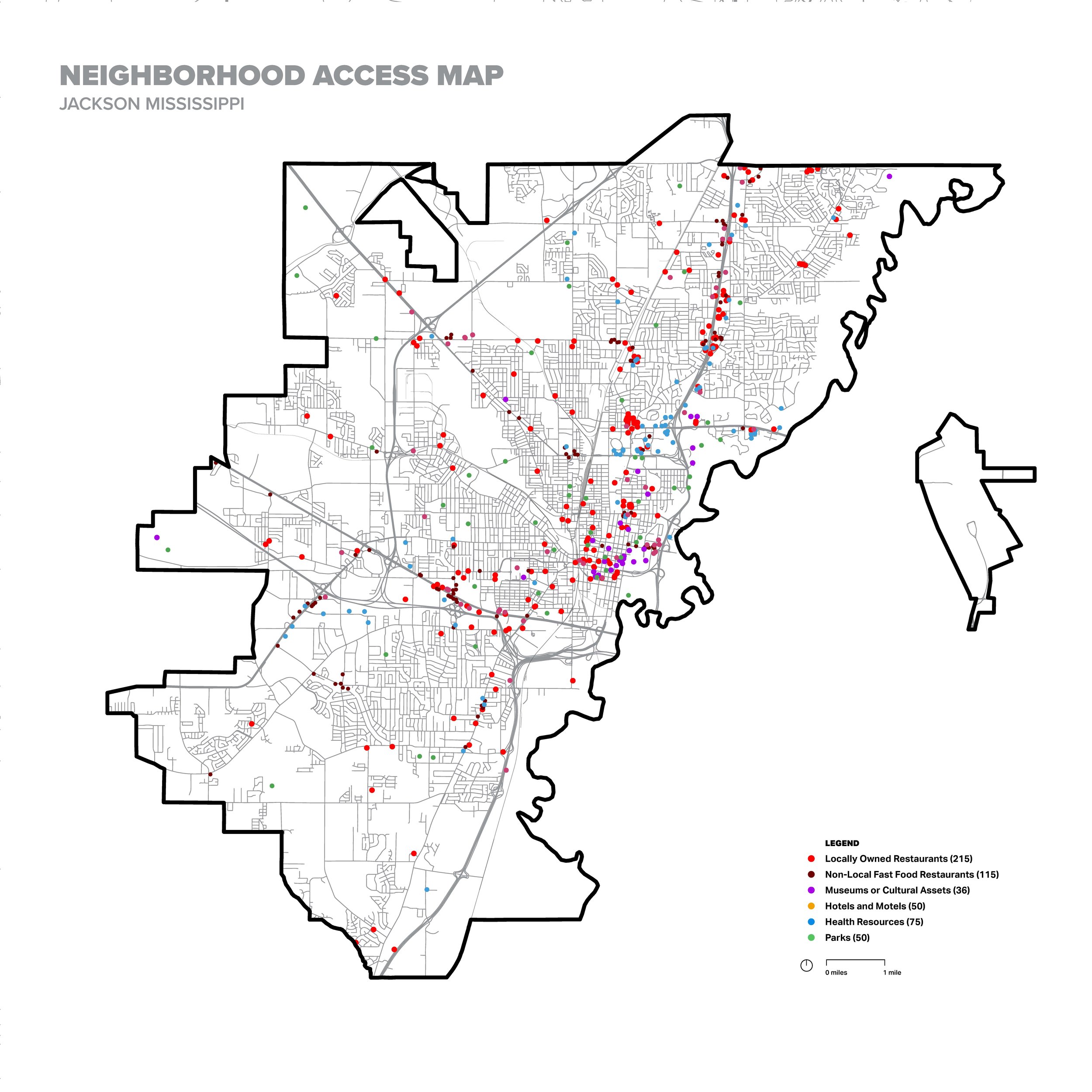
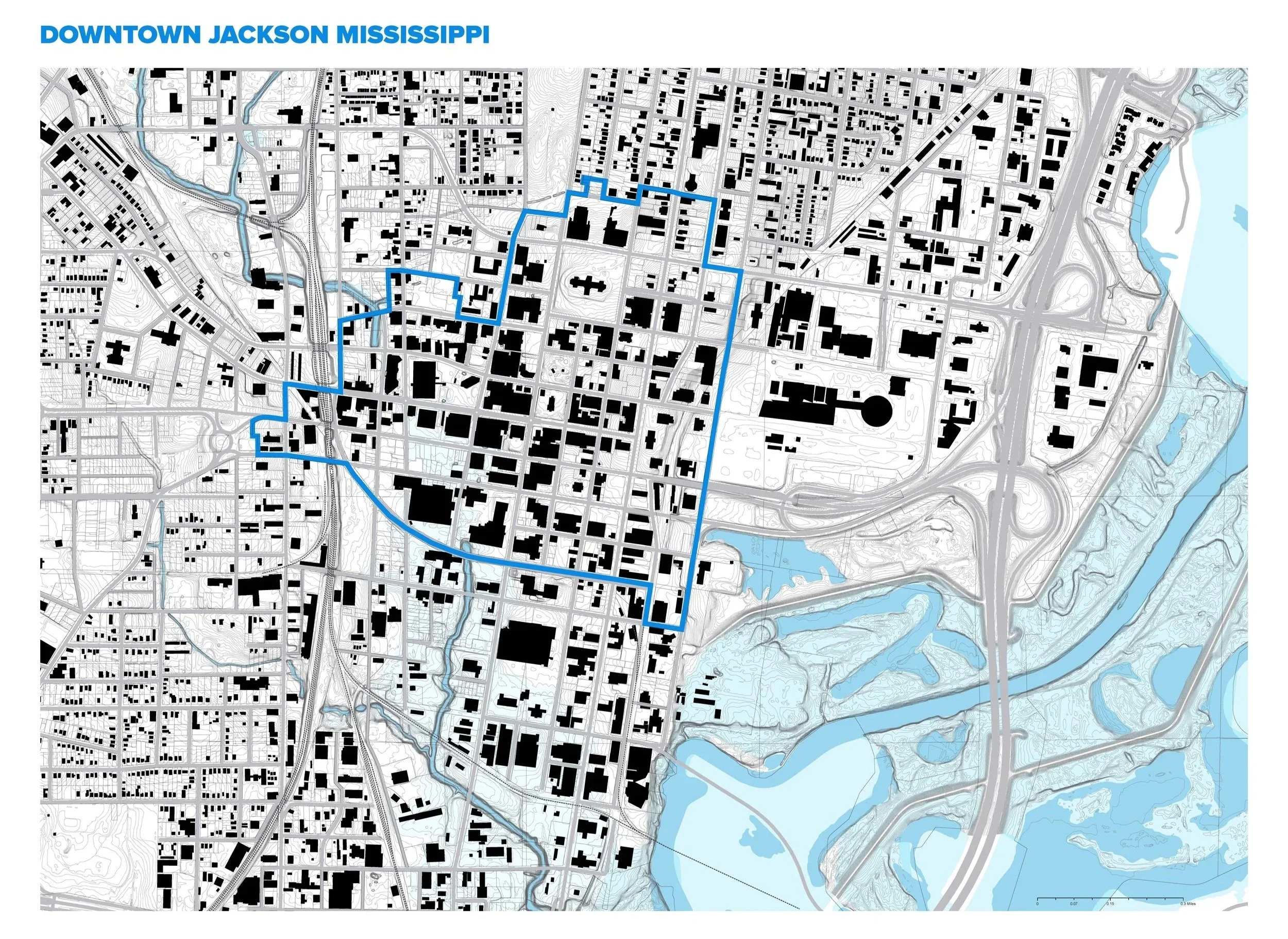
TREE developed extensive citywide mapping and research systems to support the initiative’s working groups and strategic planning process. This included the preparation of large format spatial datasets analyzing public land ownership, infrastructure systems, parks and trails, transportation corridors, economic activity, environmental conditions, vacancy patterns, neighborhood structure, and strategic redevelopment opportunities across Jackson. One of the primary visual systems included full wall mapping installations identifying city and state owned parcels, catalyst development areas, infrastructure systems, and strategic public assets throughout the city. These tools allowed participants to better understand how neighborhood conditions, public infrastructure, economic systems, and environmental challenges overlap spatially across Jackson. The mapping framework helped transform abstract conversations into place based discussions rooted in physical geography, infrastructure, and long term implementation potential.
Documenting Ideas + Building a Civic Process
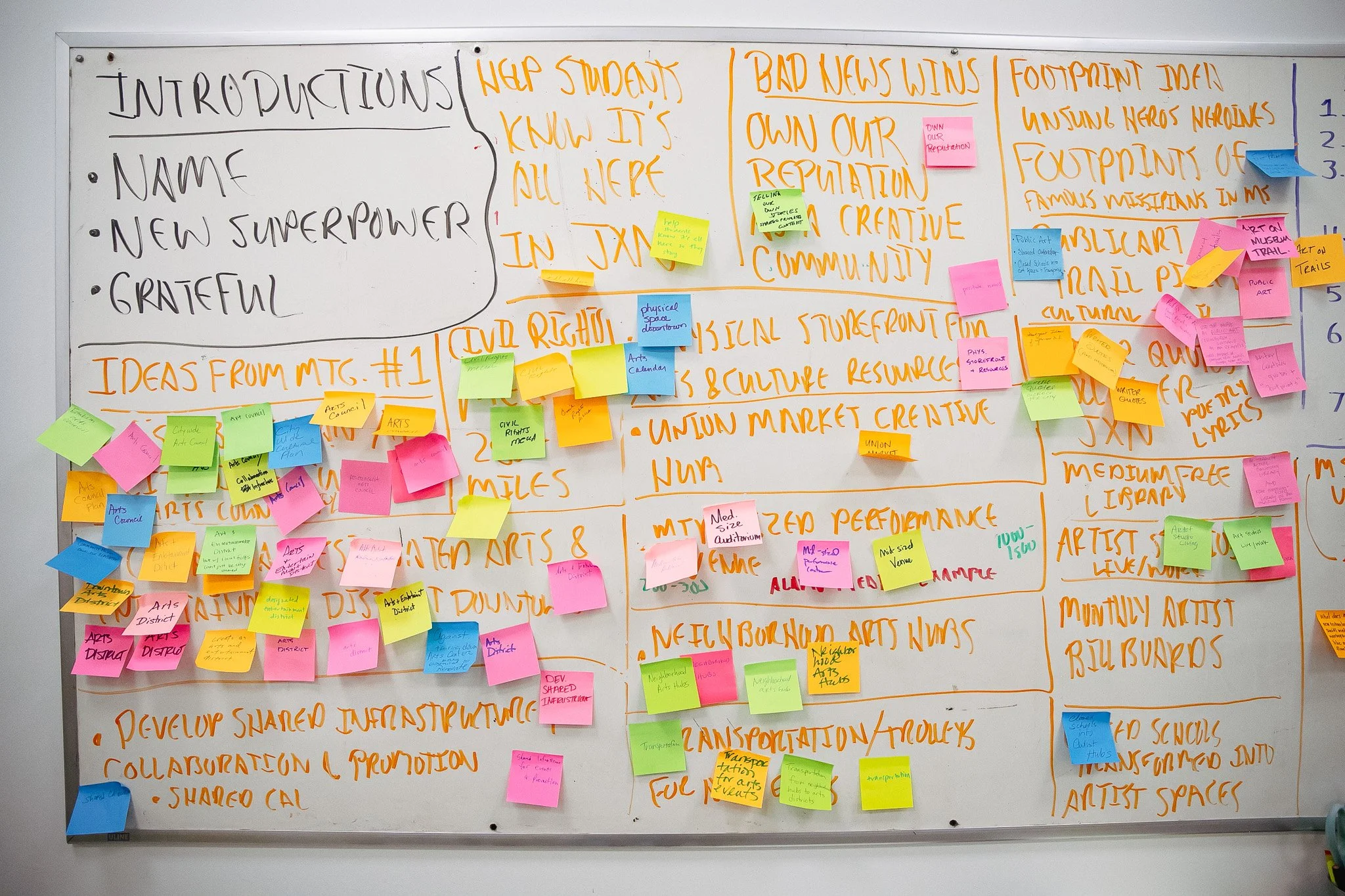
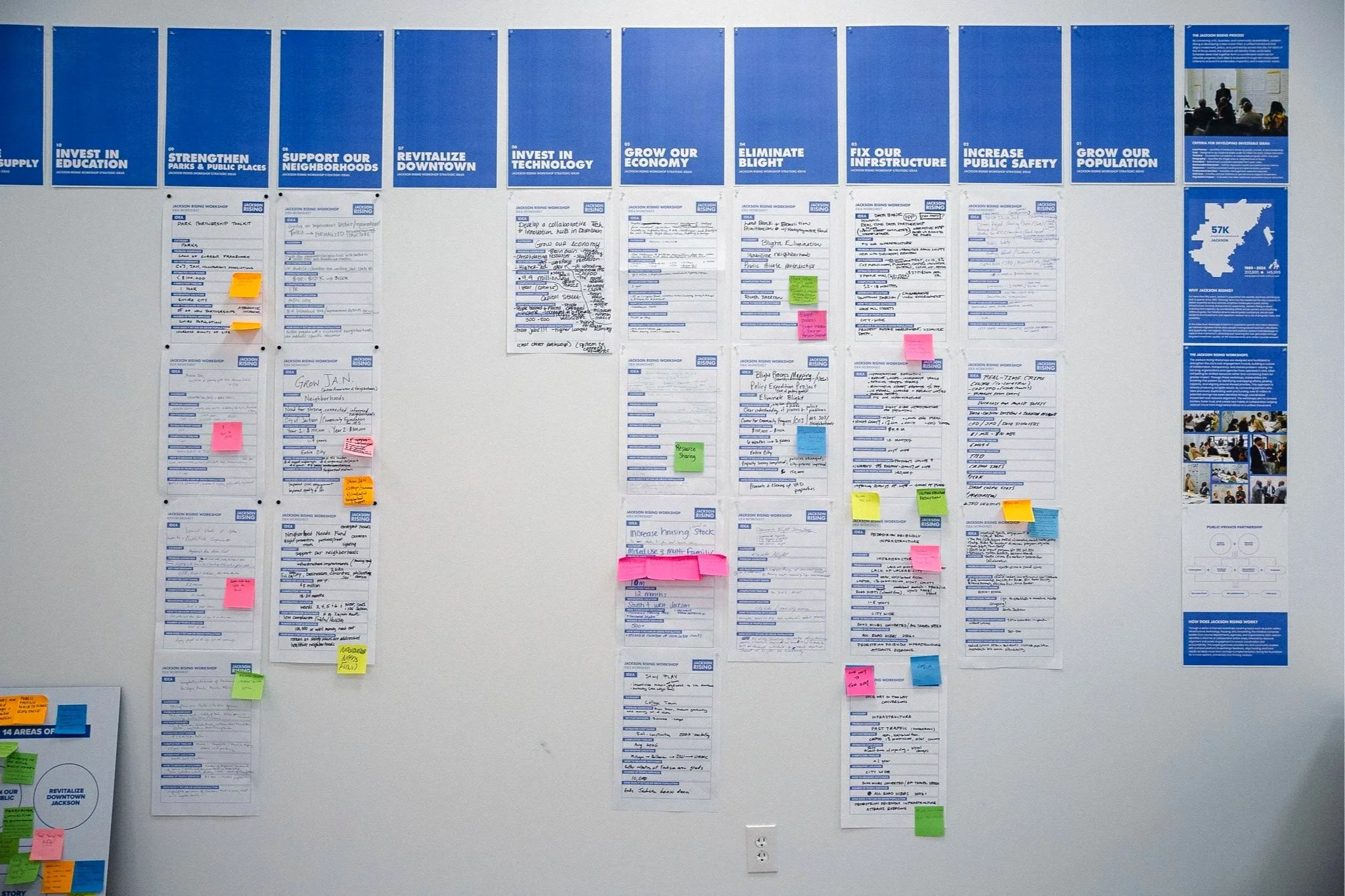
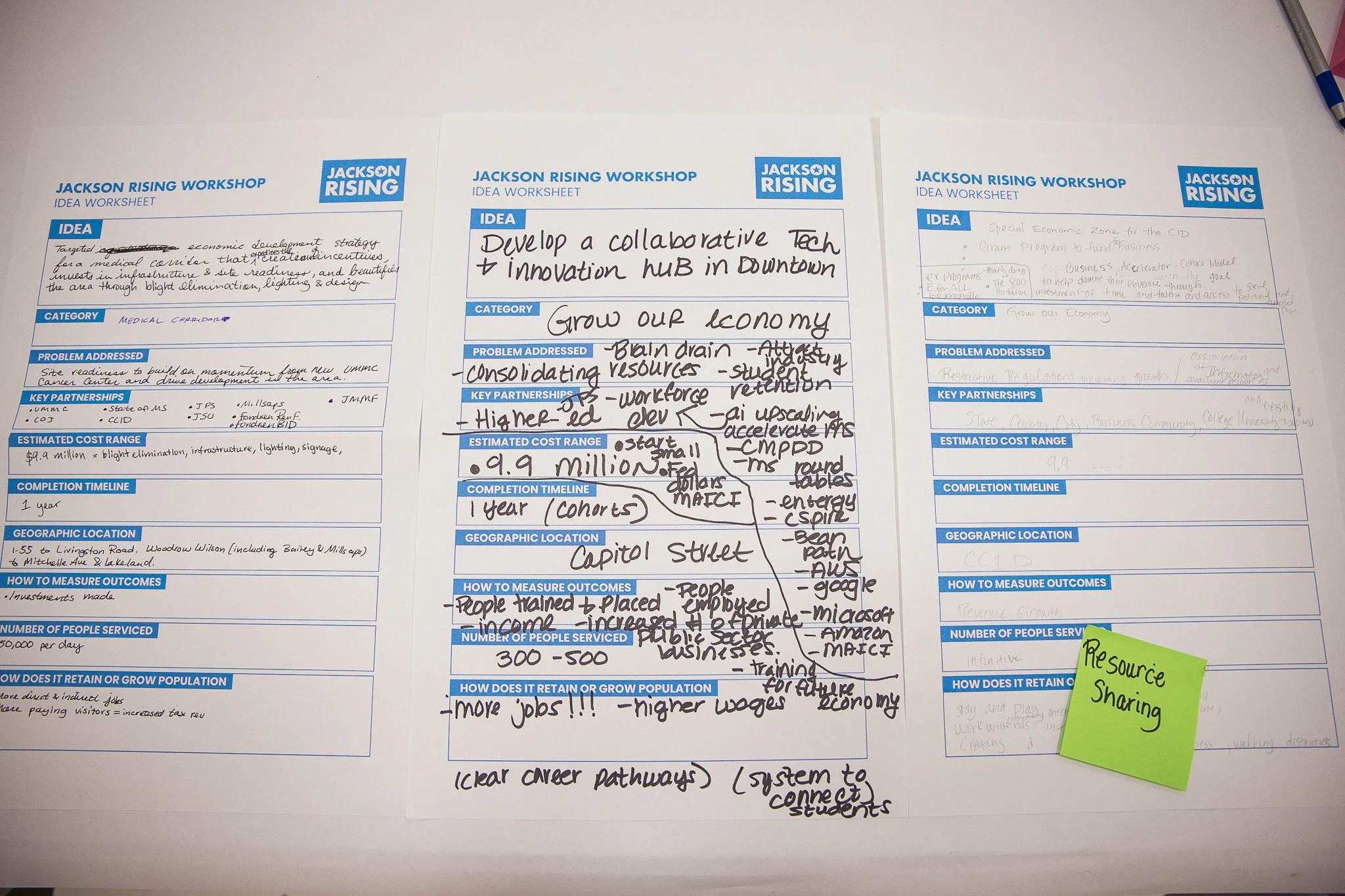
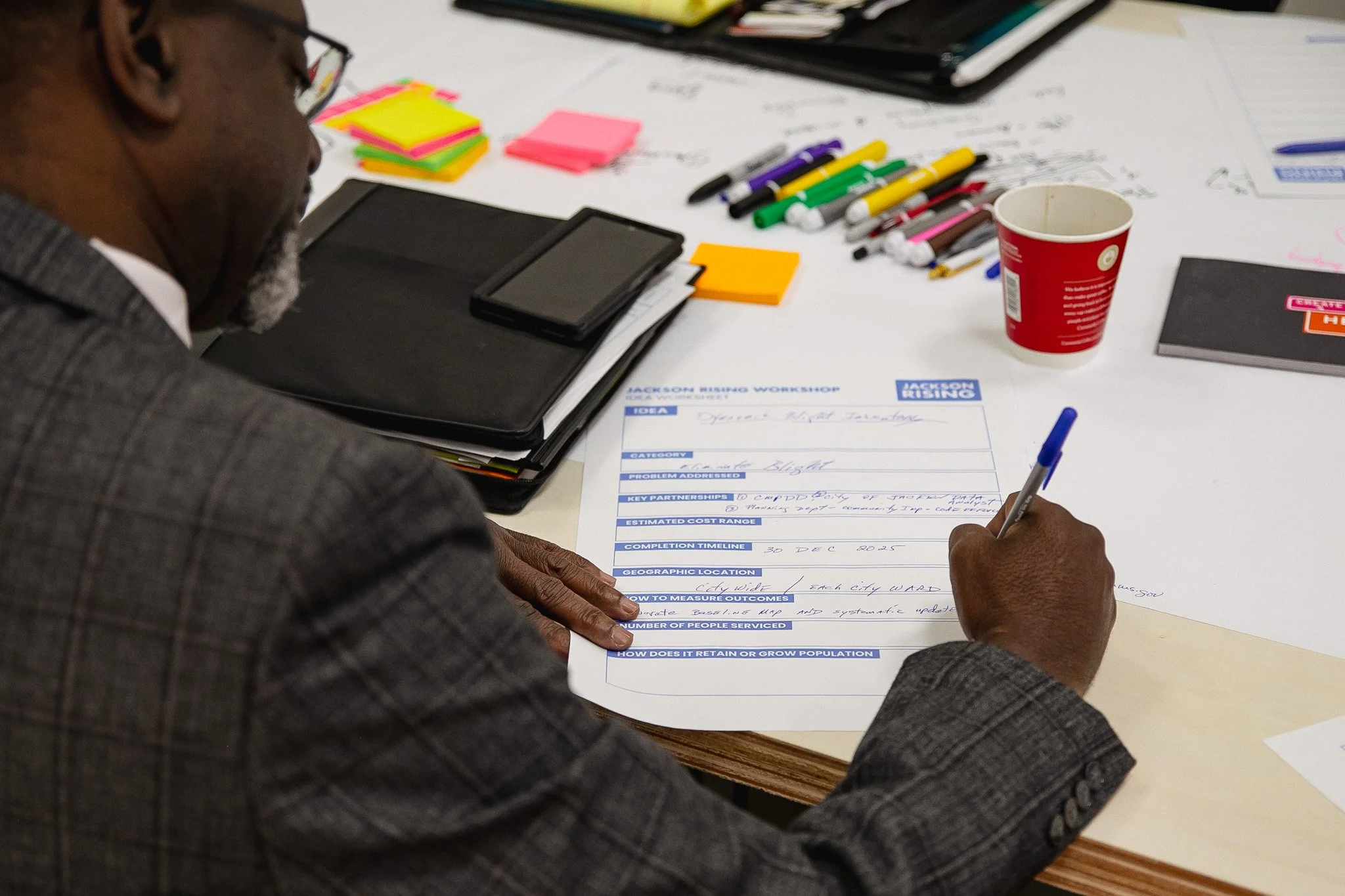
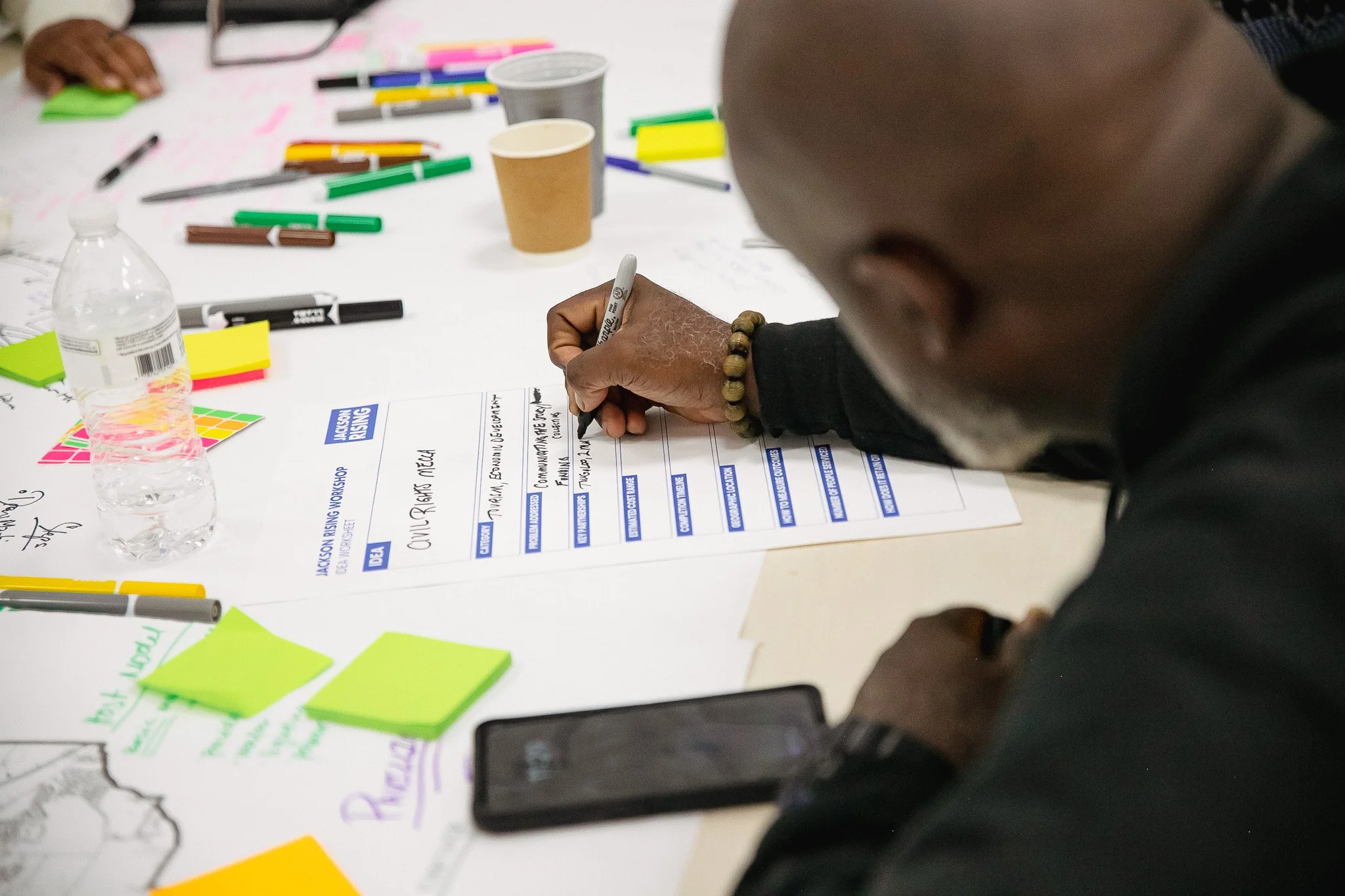
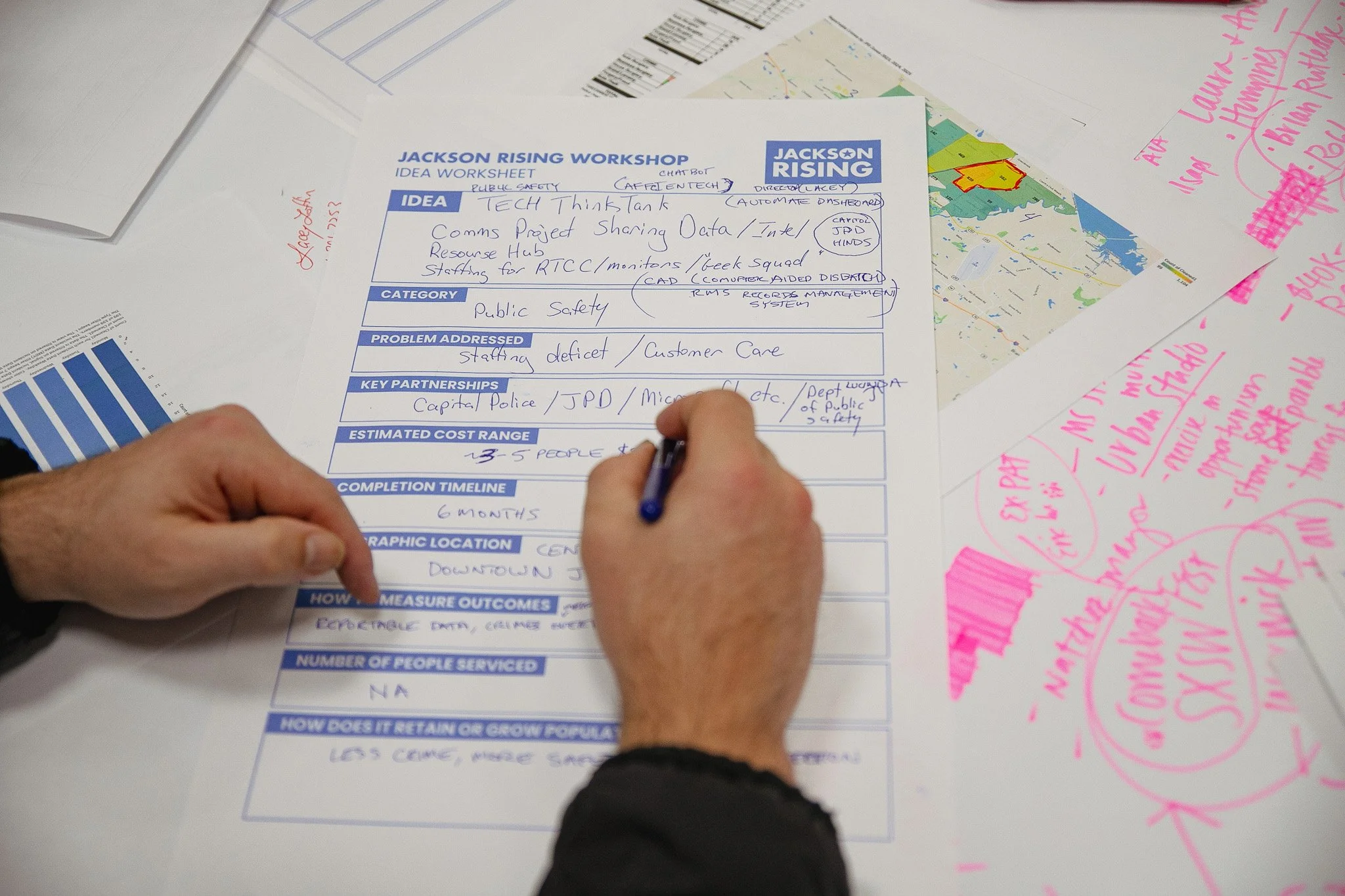
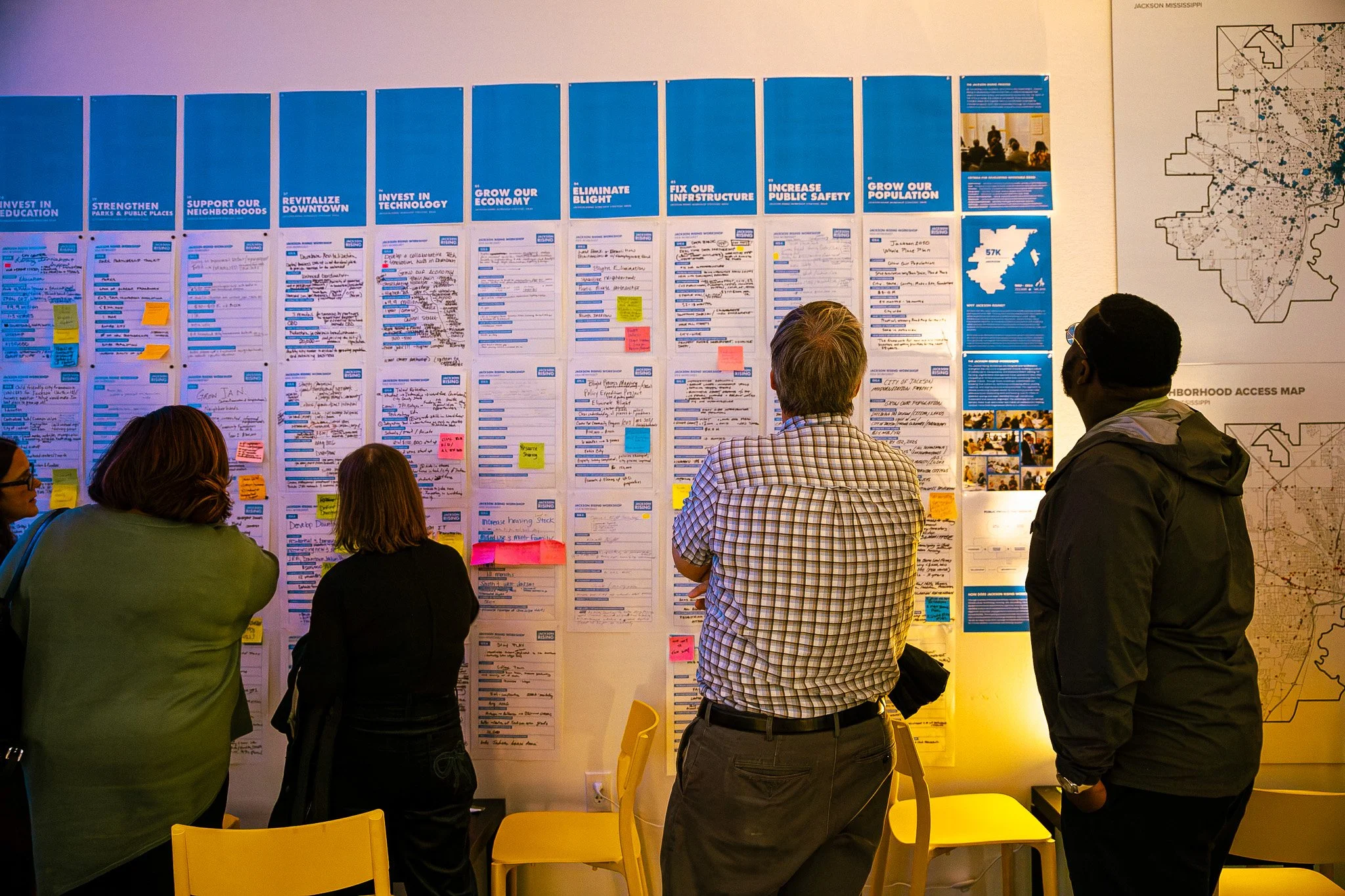
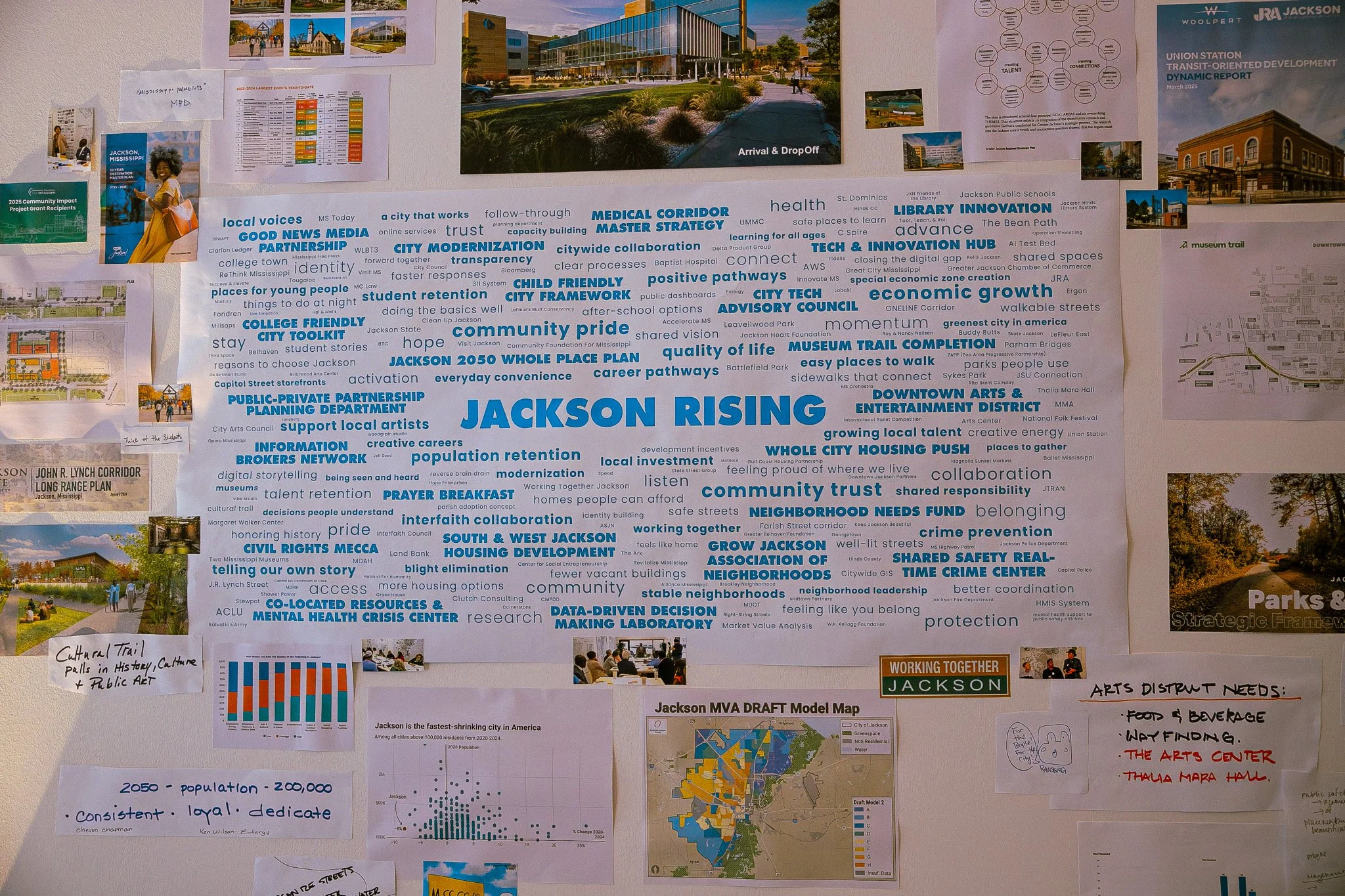
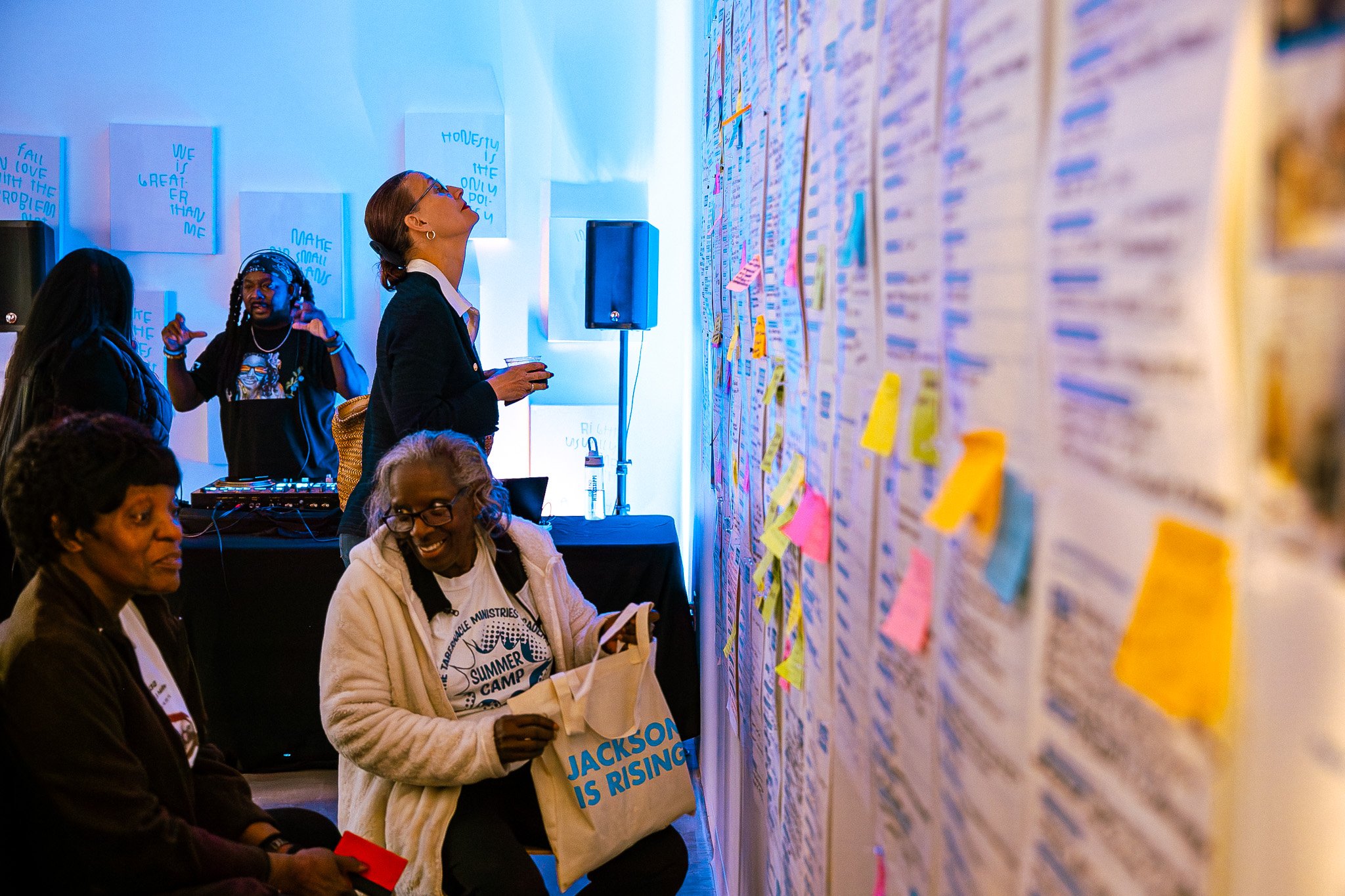
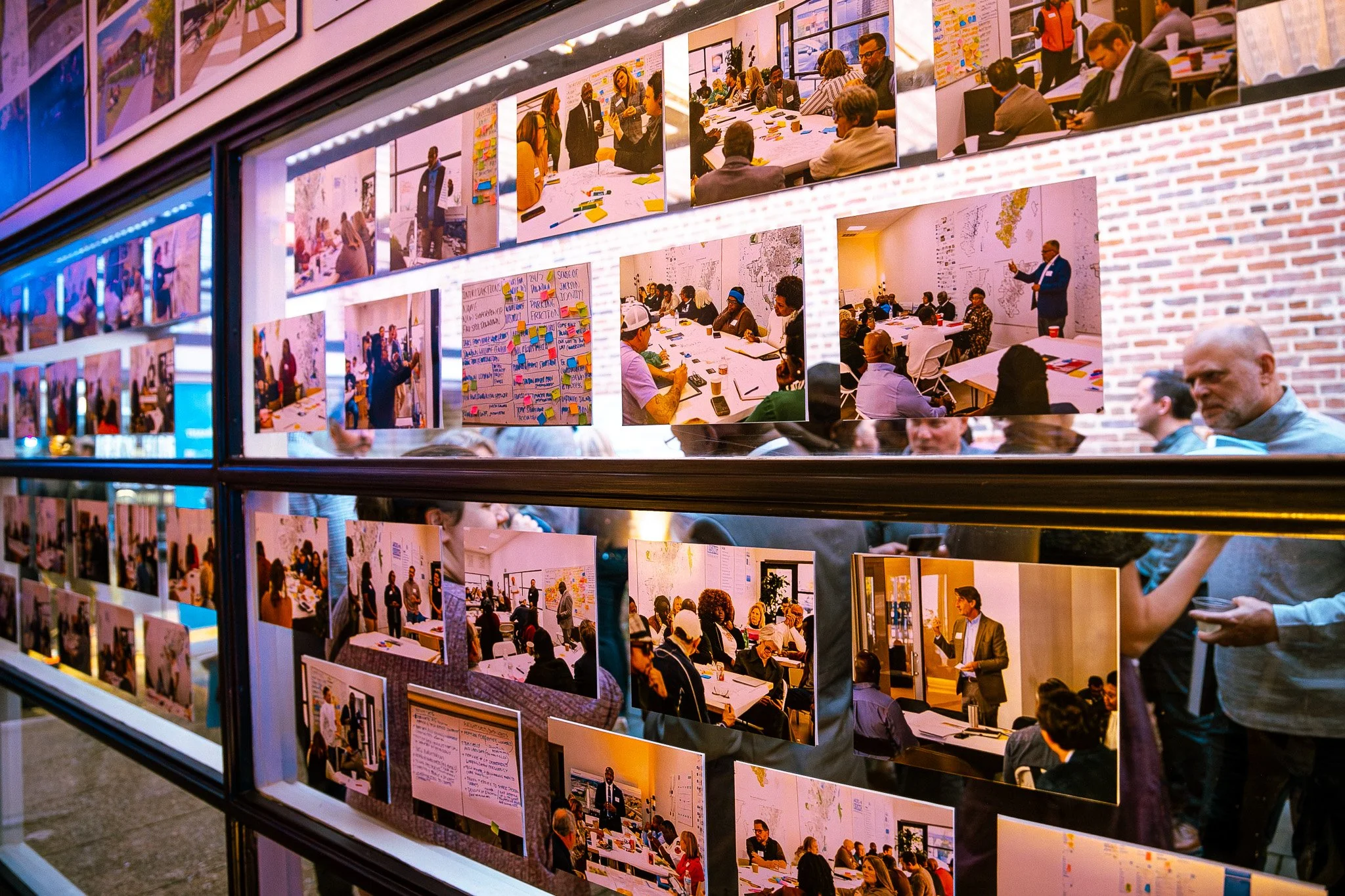
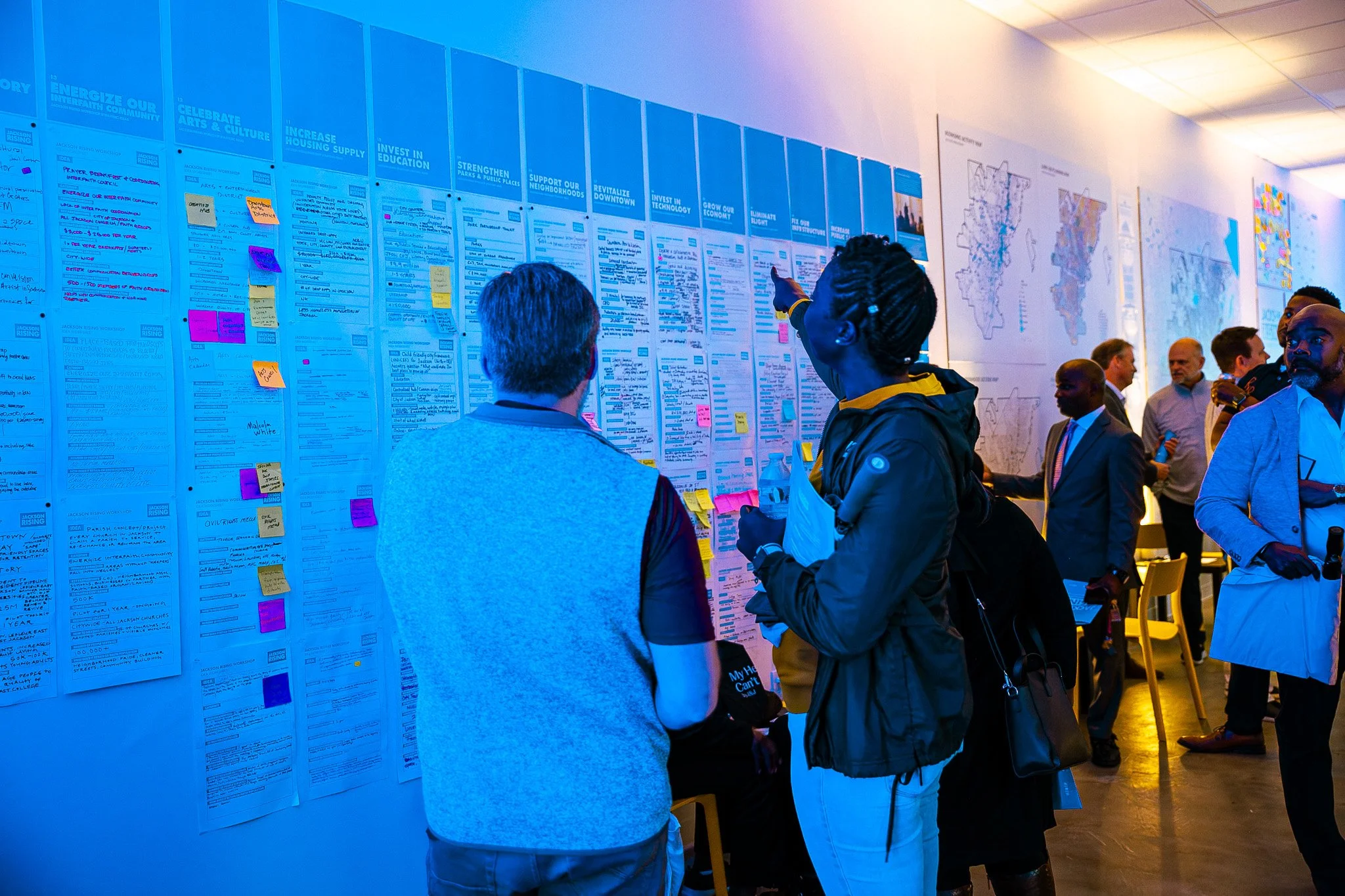
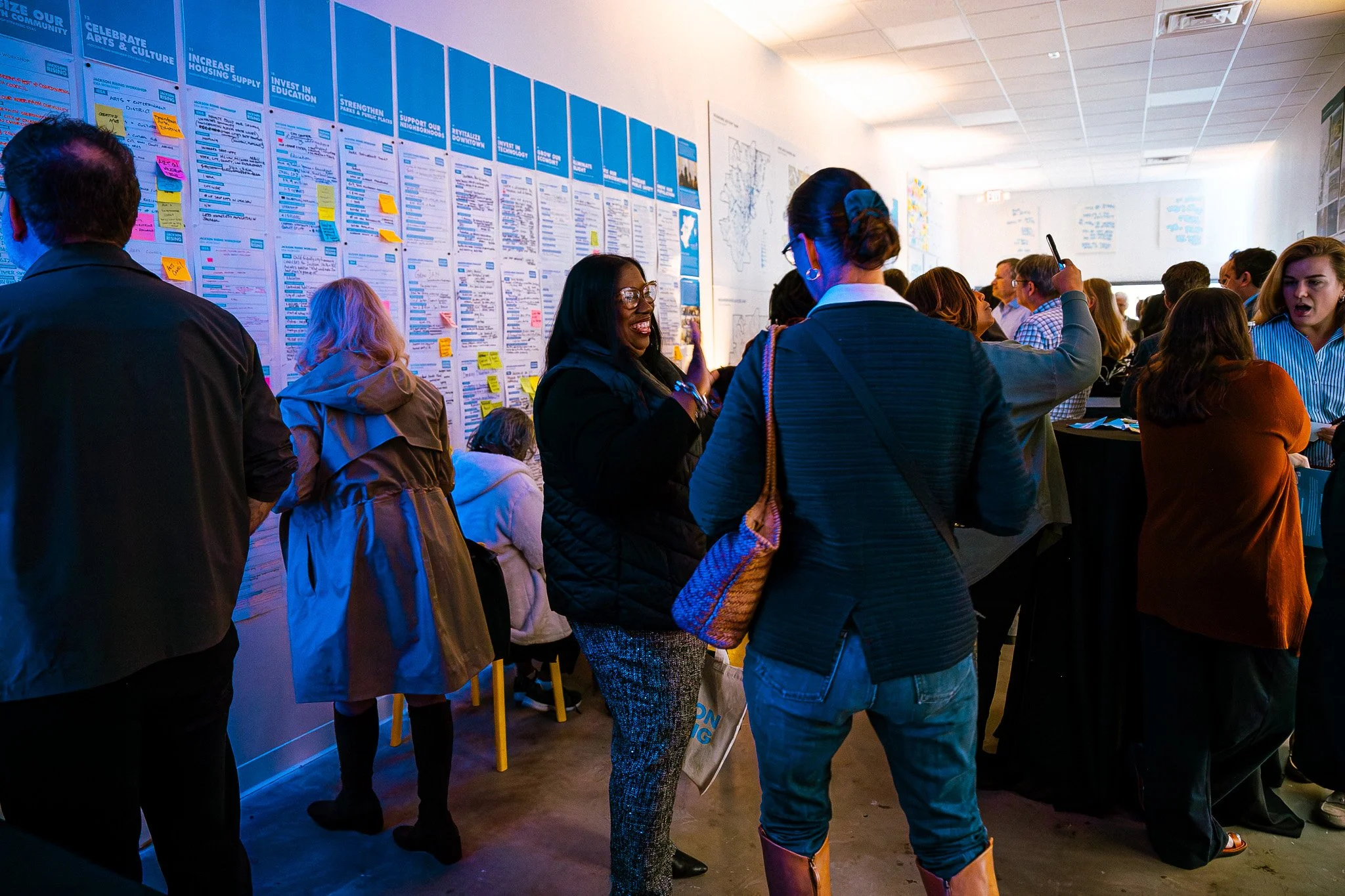
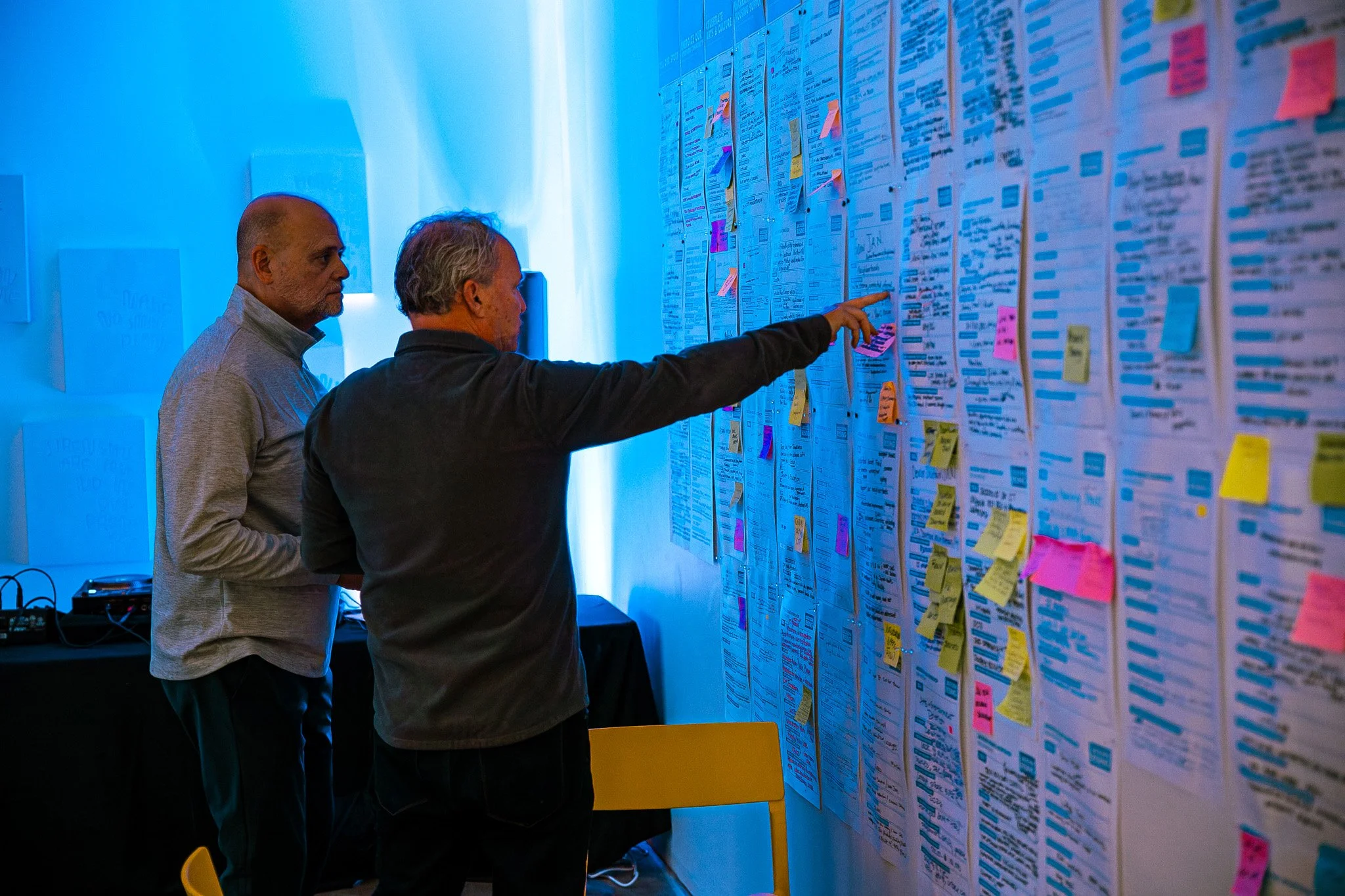
A major outcome of Jackson Rising was the development of a collaborative civic engagement and documentation process designed to translate large scale participation into actionable and publicly accessible information. Working alongside M|BP Companies, TREE helped develop the facilitation materials, visual systems, workshop graphics, and documentation framework used across all fourteen working groups throughout the initiative. Over the course of the process, participants generated hundreds of ideas related to infrastructure, housing, transportation, economic development, public space, education, arts and culture, healthcare, neighborhood revitalization, and public safety. These ideas were organized through a large scale “wall of ideas” system installed within the downtown civic workspace, allowing participants to visualize overlapping priorities and emerging themes across multiple sectors. While every contribution was documented, the process also focused on helping each working group identify a smaller set of high priority implementation ideas capable of advancing beyond discussion into action.
The Product of Collaborative Planning
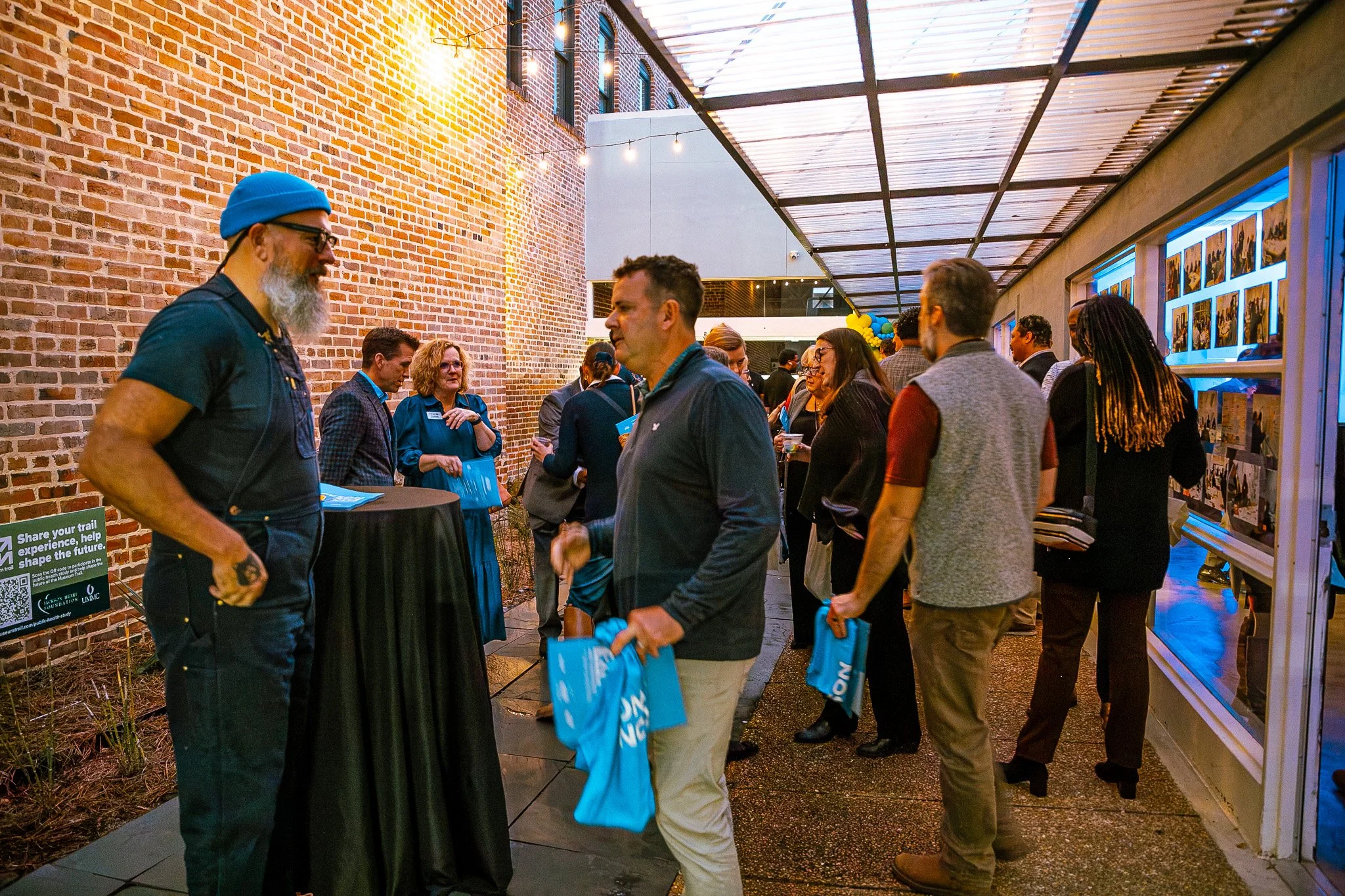
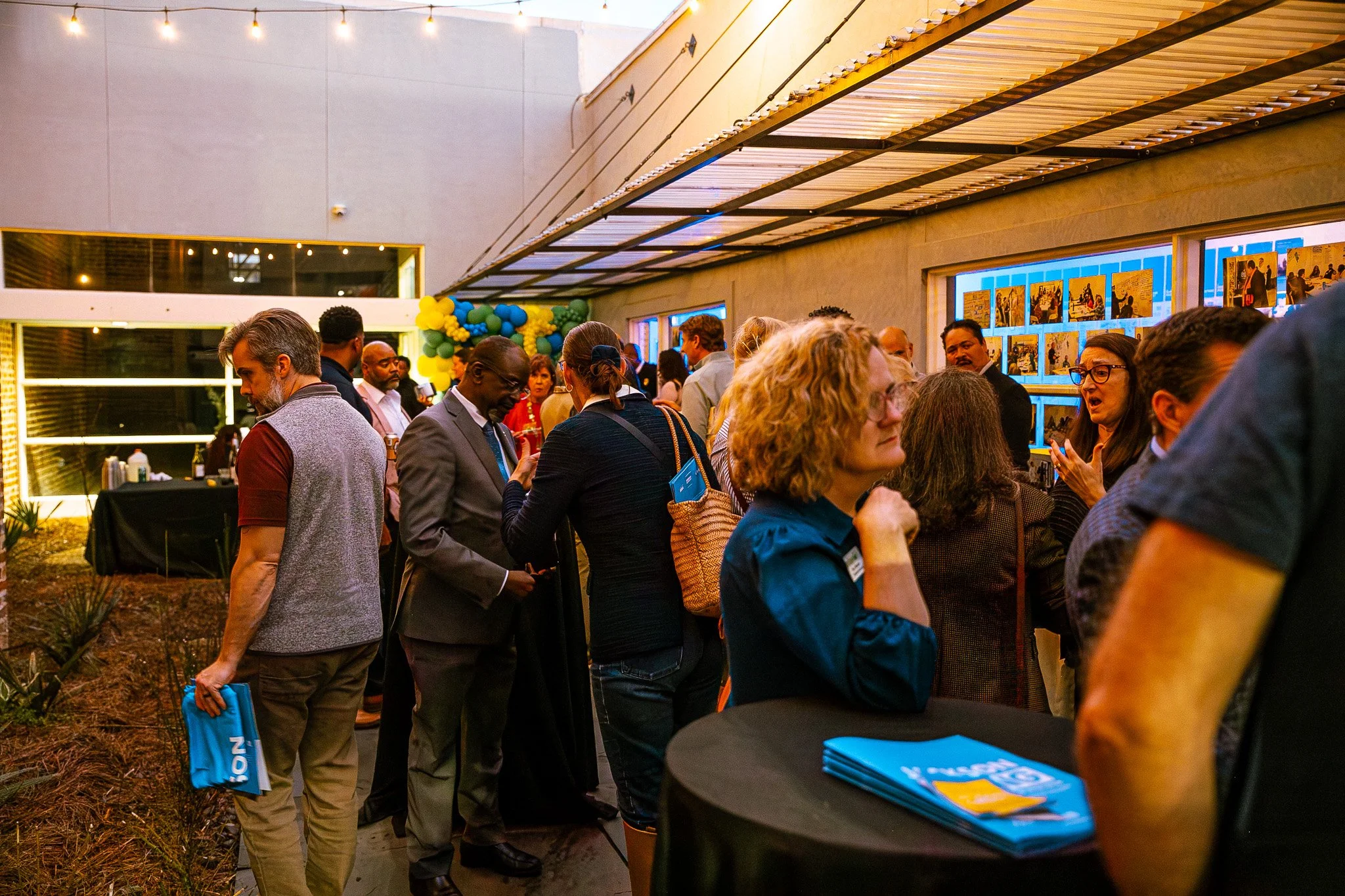
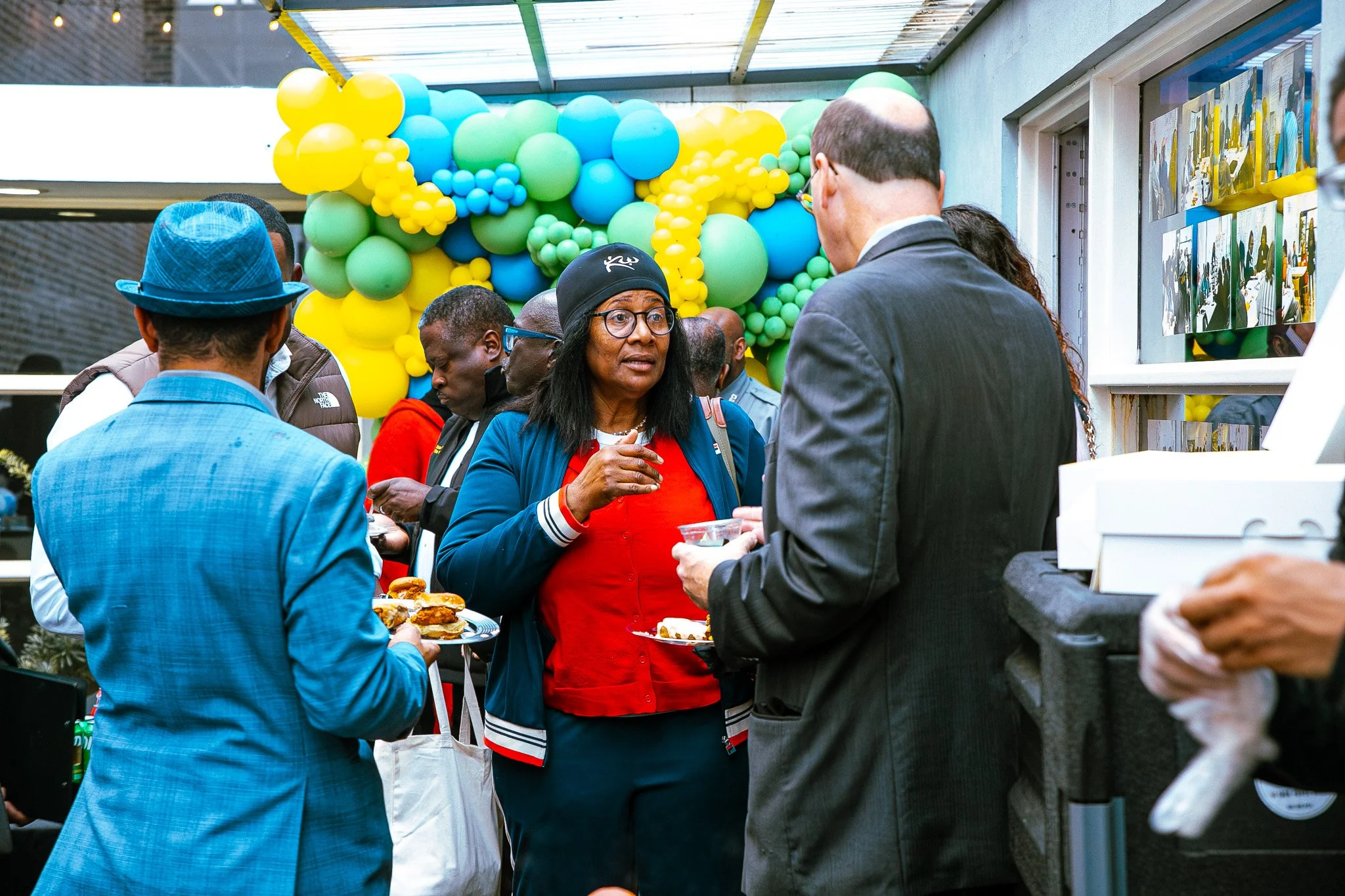
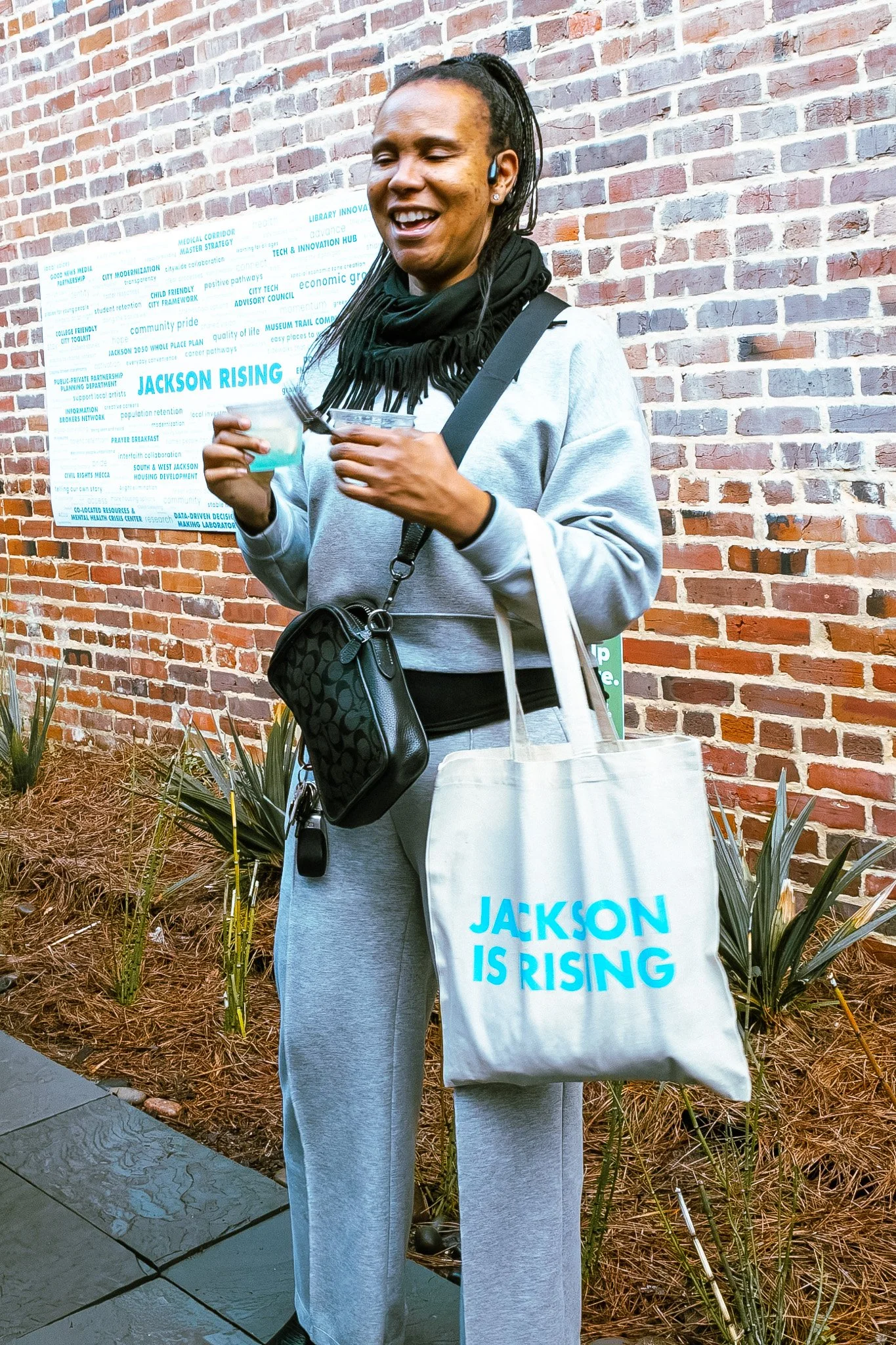
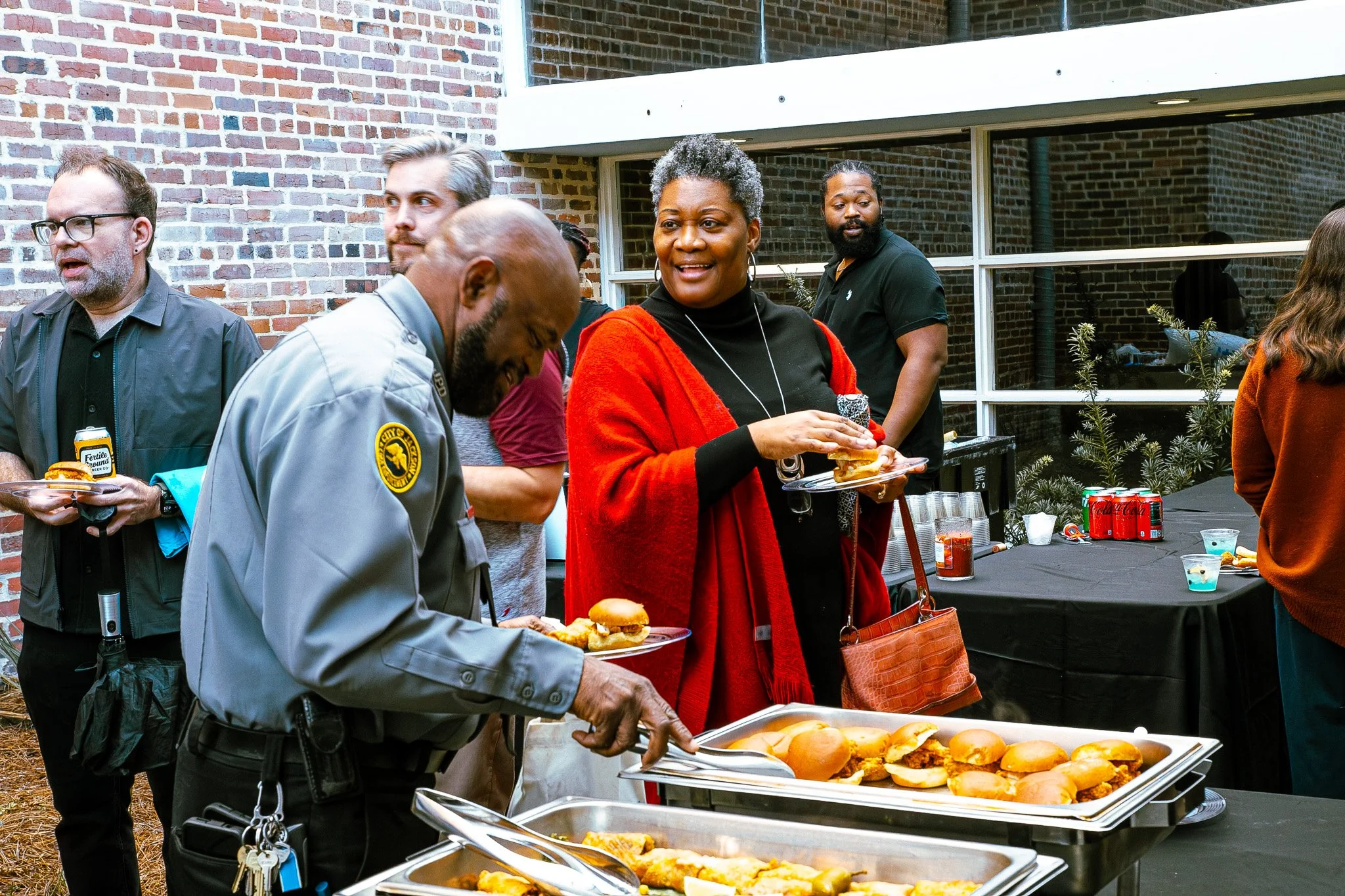
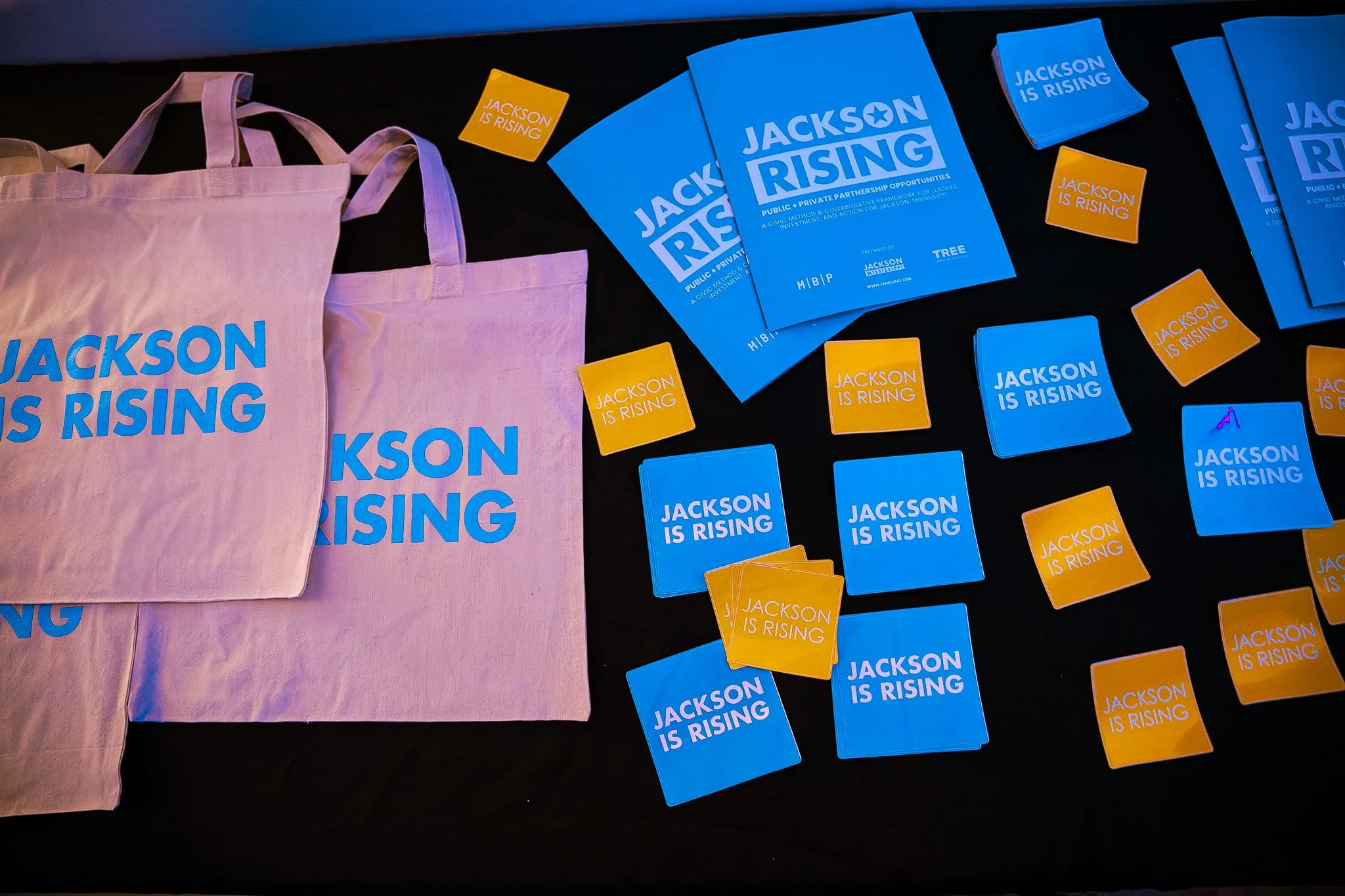
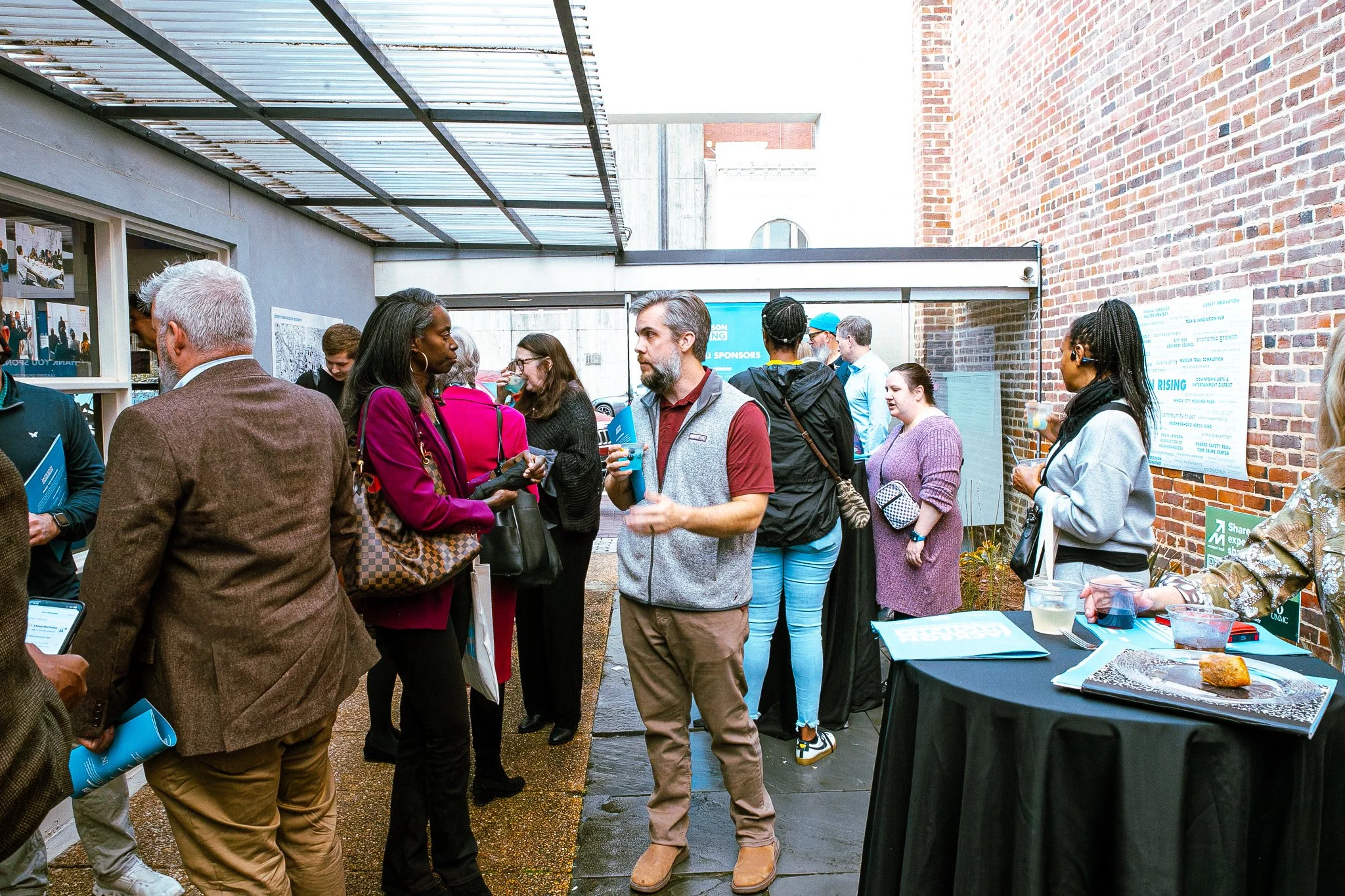
TREE developed the final visual reports, mapping systems, summary booklet, and website where the work continues to exist as a public resource. At the conclusion of the three month engagement period, TREE also helped host a public open house within the Capitol Street workspace to release the final booklet of ideas, showcase the process, and celebrate the collective work of participants, organizations, and community leaders involved throughout the initiative. The process contributed to what became informally known as the “Jackson Rising Method,” a collaborative framework centered on strengthening Jackson’s long term capacity for civic coordination, communication, and problem solving. A central goal of the initiative was to help build a stronger culture of collaboration where residents, institutions, nonprofits, businesses, and government leaders could work together within a shared civic environment to address present day challenges while collectively imagining the future of the city.

From Conversation to Coordination
Jackson Rising focused on creating systems capable of supporting continued implementation and coordination beyond the engagement process itself. The initiative established a shared framework for communication, investment, and partnership development while helping identify catalyst projects and implementation opportunities across multiple sectors. The resulting work demonstrates how design, mapping, public space strategy, and civic coordination can operate together as tools for shaping urban transformation.