
TREE is an interdisciplinary urban design, landscape architecture, and creative placemaking practice transforming post-industrial cities and landscapes.
TREE is an interdisciplinary urban design, landscape architecture, and creative placemaking practice focused on transforming post-industrial cities and landscapes. Our practice is grounded in the principle that public space infrastructure can reshape how people experience their communities, strengthen local climate resilience, and create new opportunities for economic and social reinvestment. We focus on cities facing the challenges of population loss, disinvestment, and auto oriented development, where strategic design interventions can create a transformative impact.
Our expertise spans urban adaptive reuse, greenway networks, neighborhood and regional parks, complete streets, green infrastructure systems, and waterfront revitalization. Through a landscape based approach to urbanism, we reimagine underutilized land and fragmented infrastructure as connected assets that can strengthen community and improve quality of life.
Working collaboratively with public agencies, nonprofit organizations, private partners, and local communities, TREE bridges visionary planning with practical implementation. Our work spans research and strategic planning through design, construction documentation, and project delivery, translating ambitious visions into actionable, phased implementation strategies. Ultimately, we aim to help cities create new opportunities through transformative public spaces and infrastructure that inspire reinvestment, reconnect communities, and create places where future generations want to live, work, and gather.

Travis Crabtree PLA, Partner
Travis Crabtree, PLA, is a landscape architect, urban designer, and founder of TREE Urban Design, an interdisciplinary practice established in 2020 focused on transforming post-industrial cities through strategic planning, landscape architecture, and creative placemaking. His work emphasizes the design and implementation of public space infrastructure, greenway networks, waterfront revitalization, and urban reinvestment strategies that reconnect communities and improve quality of life. Prior to founding TREE, Crabtree served as Senior Planner for the City of Jackson, Mississippi, where he led the Long Range Planning Division, and worked as an urban design research associate at RVTR. He holds a Master of Urban Design from the University of Michigan’s Taubman College of Architecture and Urban Planning and a Bachelor of Landscape Architecture from Mississippi State University.
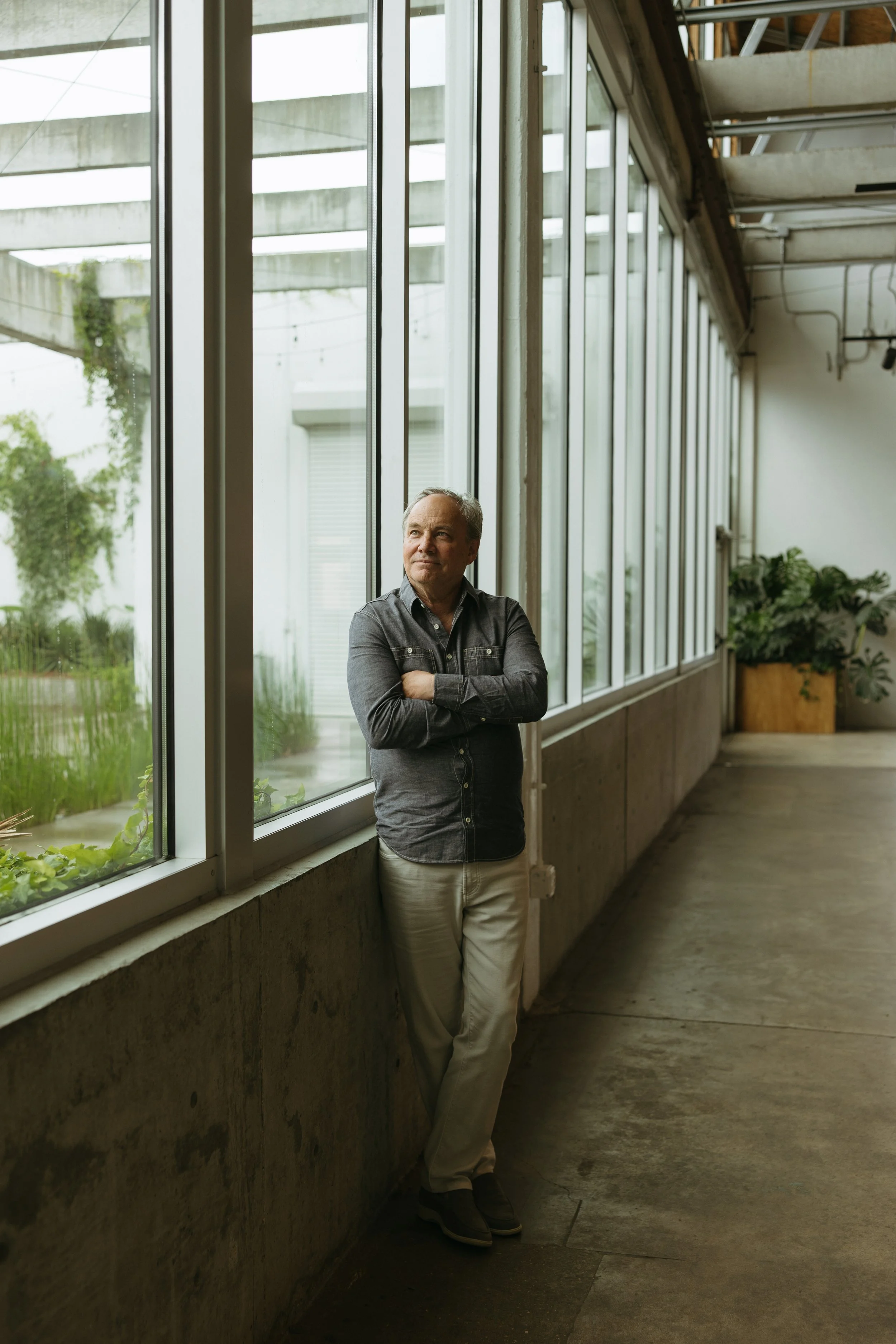
Ray Neilsen Partner
Ray Neilsen is an entrepreneur, developer, philanthropist, and Partner at TREE Urban Design, where he provides strategic leadership in project development, civic partnerships, fundraising, and implementation. His work focuses on advancing transformative public space, green infrastructure, and community revitalization initiatives that strengthen economic opportunity, public health, and quality of life. Ray has played a significant role in supporting parks, trails, and urban redevelopment projects throughout Jackson, Mississippi, and the broader region. He serves on the boards of the Jackson Heart Foundation and Great City Mississippi Foundation, where he helps advance initiatives such as the Museum Trail Greenway, connecting philanthropic investment with civic infrastructure, environmental stewardship, and community development.

Ansley Crabtree Designer
Ansley Crabtree is a creative director, visual storyteller, and Partner at TREE Urban Design, where she leads the firm's creative direction, visual communications, branding, and digital storytelling. With a decade of experience spanning graphic design, photography, web development, and communications strategy, her work focuses on translating complex urban design visions into compelling narratives that engage communities, build public support, and advance project implementation. Ansley has led creative and communications initiatives for transformative public space projects and nonprofit organizations. Through her interdisciplinary approach, she connects design, storytelling, and community engagement to strengthen civic identity, support fundraising, and communicate the value of investing in public spaces.