Farish Street Green
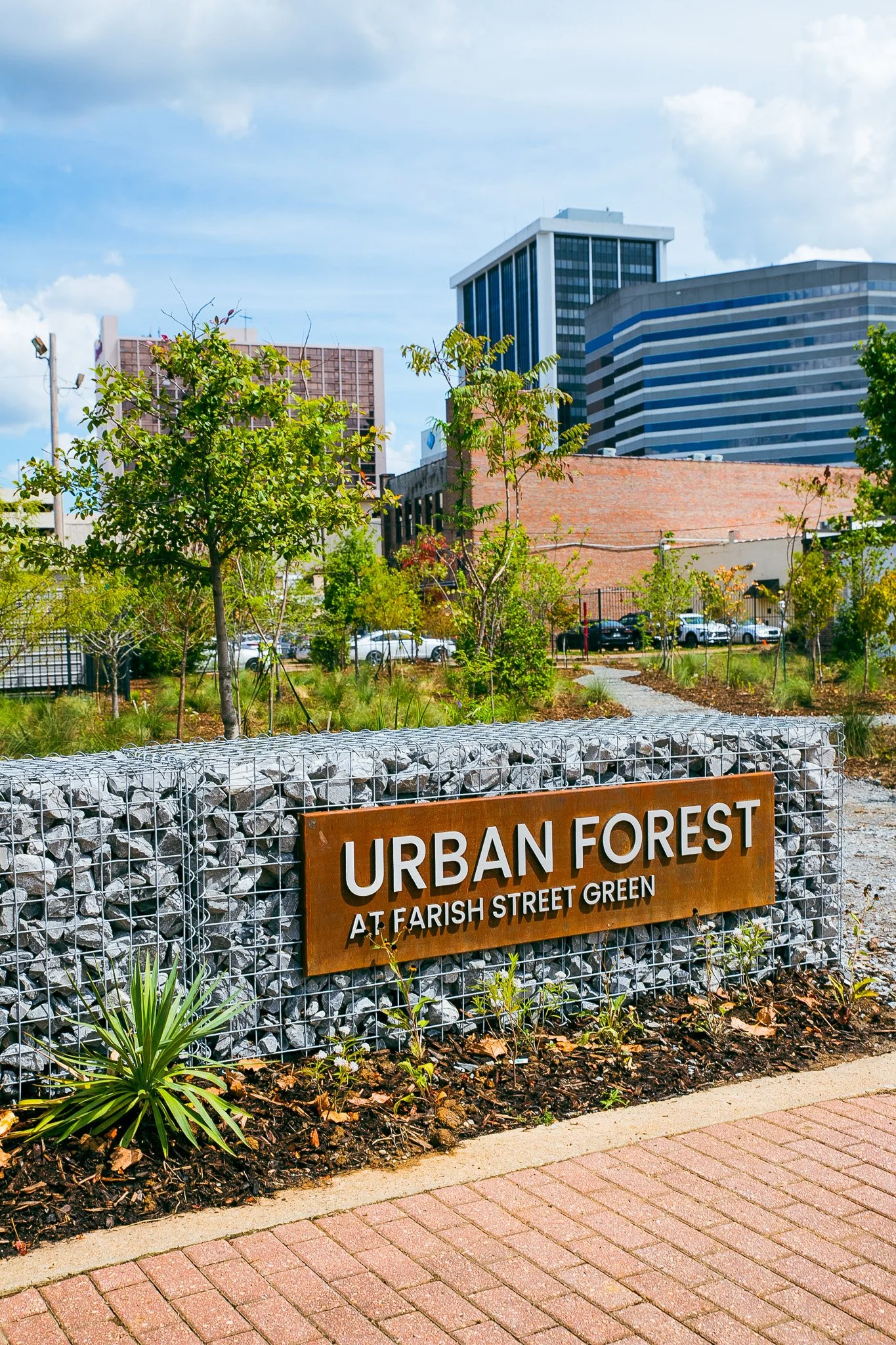
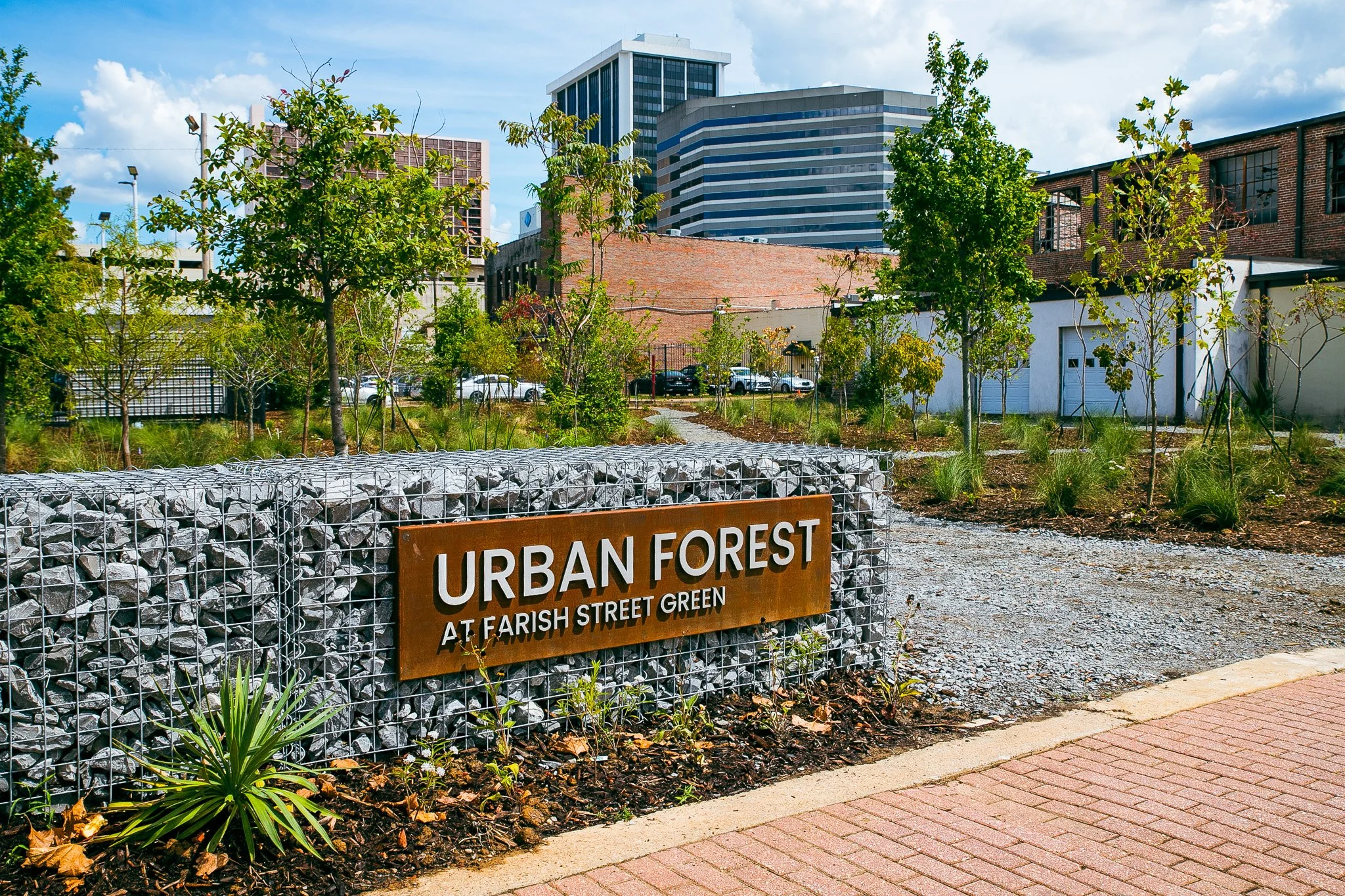
Farish Street Green transforms a vacant commercial block along Jackson's historic Farish Street District into a neighborhood park centered around reducing urban heat and incubating opportunities for new local businesses.
-
Farish Street Green is a new public landscape in Jackson’s historic Farish Street District designed to bring nature back into the city through native trees, prairie plantings, green infrastructure, and community gathering space. Developed through several years of community engagement and environmental research, the project demonstrates how investment in public space can cool urban temperatures and help catalyze other revitalization efforts.
The project began through a partnership between 2°C Mississippi, Jackson Community Design Center, and Friends of Farish Street. In 2020, 2°C Mississippi helped lead a community science effort to map urban heat across Jackson. The research identified portions of Downtown and Farish Street among the city’s hottest areas, helping establish the need for green infrastructure that could provide shade, reduce heat, and improve environmental conditions. The project was made possible in part through funding from the U.S. Forest Service and Robert Wood Johnson Foundation through 2°C Mississippi, supporting the use of green infrastructure to address urban heat and improve environmental conditions along Farish Street.
The project has evolved through an extended period of community engagement and collaboration. Residents, business owners, community organizations, designers, and researchers participated in meetings exploring how the space could function, what it should look like, and how it could support the future of Farish Street. That process helped shape a public landscape intended to serve both the environmental needs of the neighborhood and its longstanding role as a place for people to gather.
Farish Street has historically been one of Jackson’s most important centers of Black commerce, culture, music, and civic life. The district was a significant stop on the Chitlin’ Circuit and was home to businesses, entertainment venues, churches, and gathering places that served generations of Jacksonians. It also played an important role in Civil Rights organizing. Today, Farish Street Green adds a new kind of gathering space to that history, creating a public landscape where community life can once again take place along the corridor.
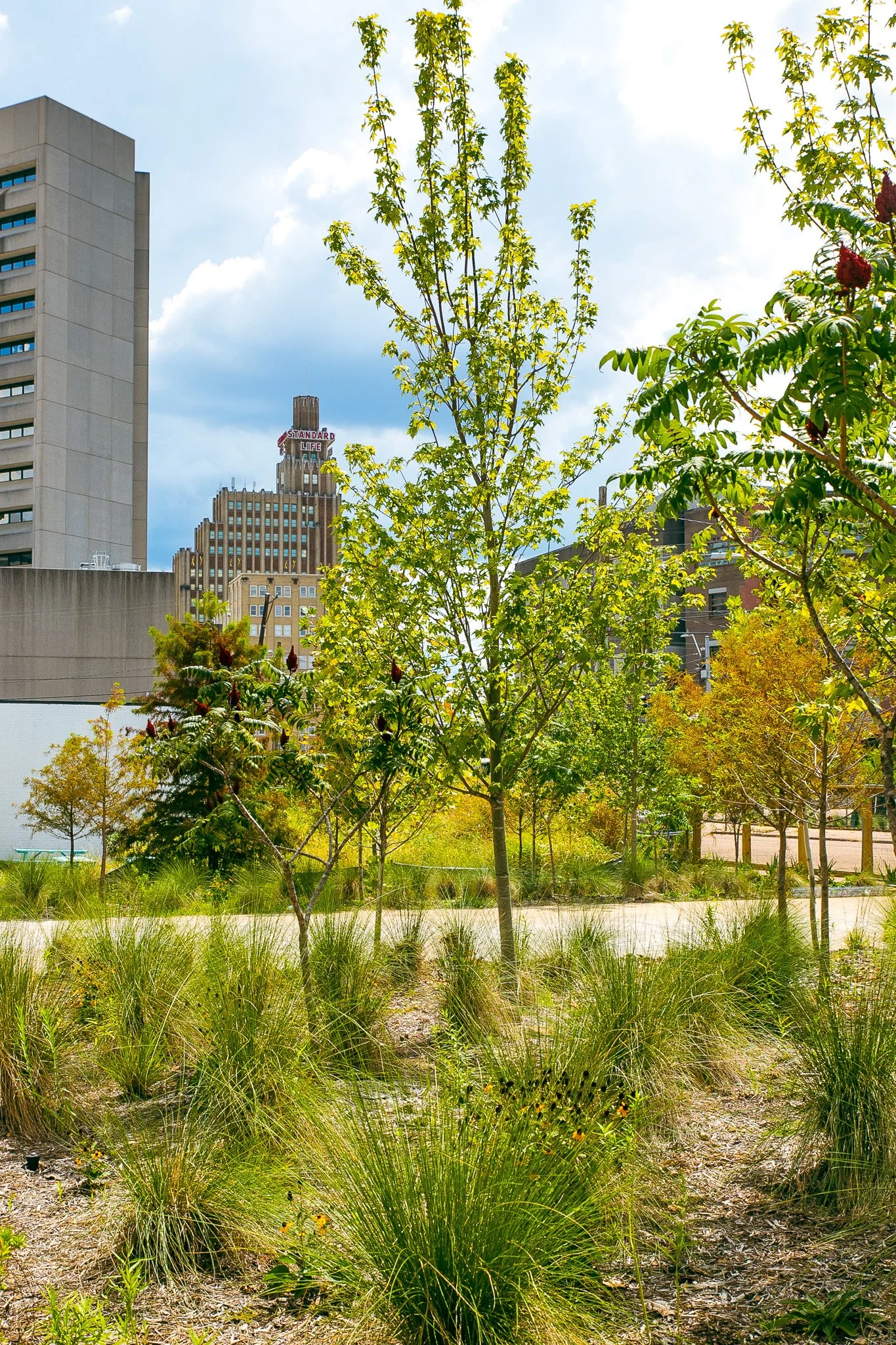
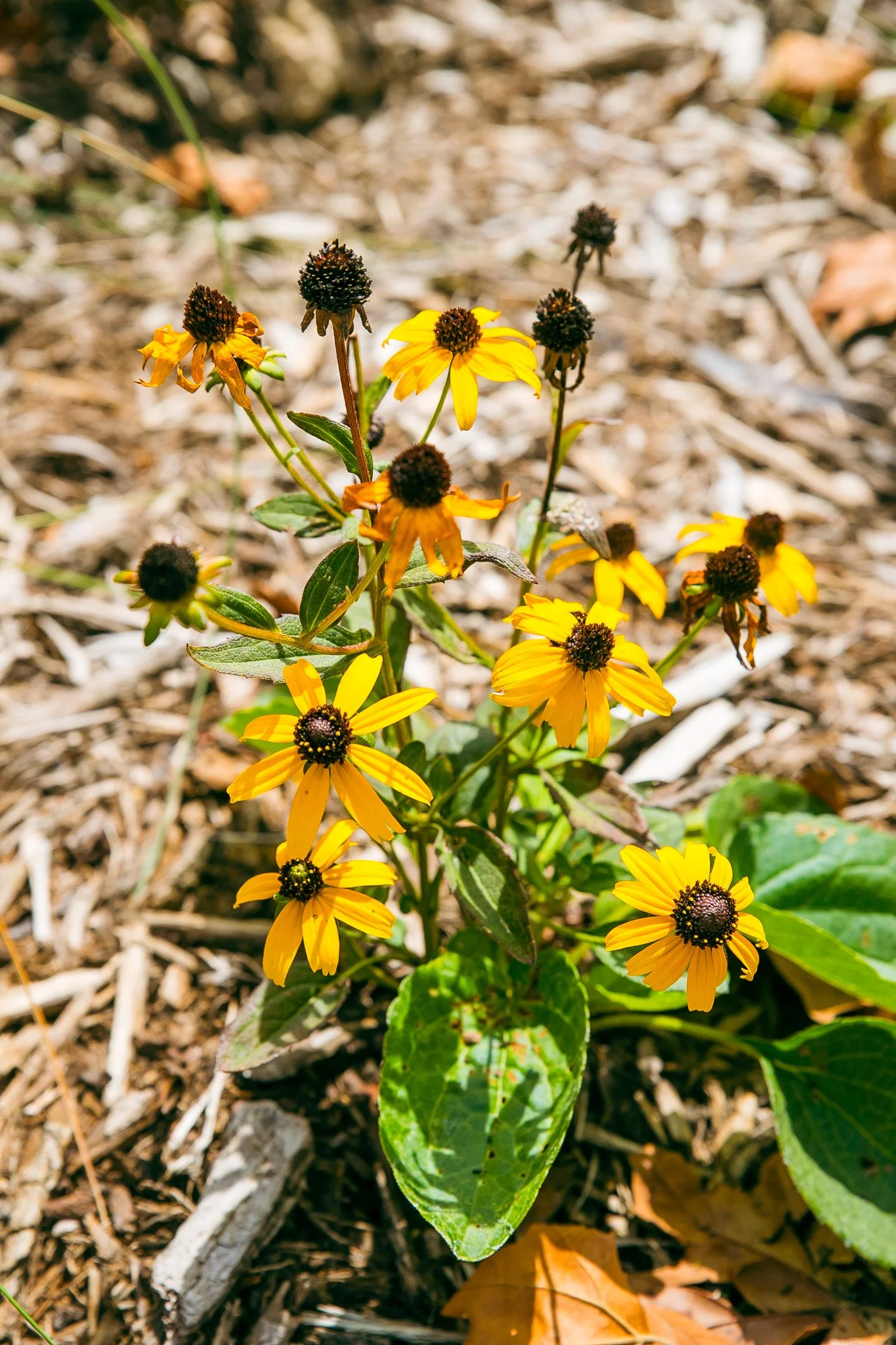
At the center of the project is a new urban forest and prairie landscape. Native canopy trees provide shade and will increasingly cool surrounding surfaces as they mature, while native grasses, wildflowers, and other plantings protect soil, support pollinators and wildlife, improve stormwater infiltration, and reintroduce ecological systems into a heavily developed part of Downtown Jackson. The landscape draws from plant communities associated with Mississippi’s native “Jackson Prairie” and urban forest ecosystems, creating habitat while reducing dependence on intensive irrigation and conventional ornamental landscaping.
Farish Street Green was developed through collaboration among project partners including 2°C Mississippi, Friends of Farish Street, Jackson Redevelopment Authority, Mississippi State University School of Architecture Jackson Community Design Collaborative, Jackson State University Urban and Regional Planning, Farish Street Community Ministry of Shalom, TREE Urban Design + Landscape Architecture Studio, Master Masons Construction, Southern Horticulture Landscaping, CDFL Architects + Engineers, and Schoggenscapes.
-
Year
2024-2026
Location
Jackson, Mississippi
-
Lead Partners
2°C Mississippi
City of Jackson
Funding & Project Support
U.S. Forest Service
Robert Wood Johnson Foundation
Jackson Redevelopment Authority
Community Partners
Mississippi State University School of Architecture
Jackson Community Design Collaborative
Jackson State University Urban & Regional Planning
Farish Street Community Ministry of Shalom
Friends of Farish Street
Design & Implementation
TREE Urban Design
CDFL Architects + Engineers
Master Masons Construction
Southern Horticulture Landscaping
Schoggenscapes
Project Background
Farish Street Green originated through a partnership between Friends of Farish Street, 2C Mississippi, Jackson Community Design Center, the Jackson Redevelopment Authority, and community stakeholders working to address both environmental and quality of life challenges within the historic Farish Street District. The project builds upon years of community engagement, climate research, and neighborhood conversations focused on creating a new public gathering space that supports residents while contributing to the revitalization of one of Jackson's most historically significant corridors.
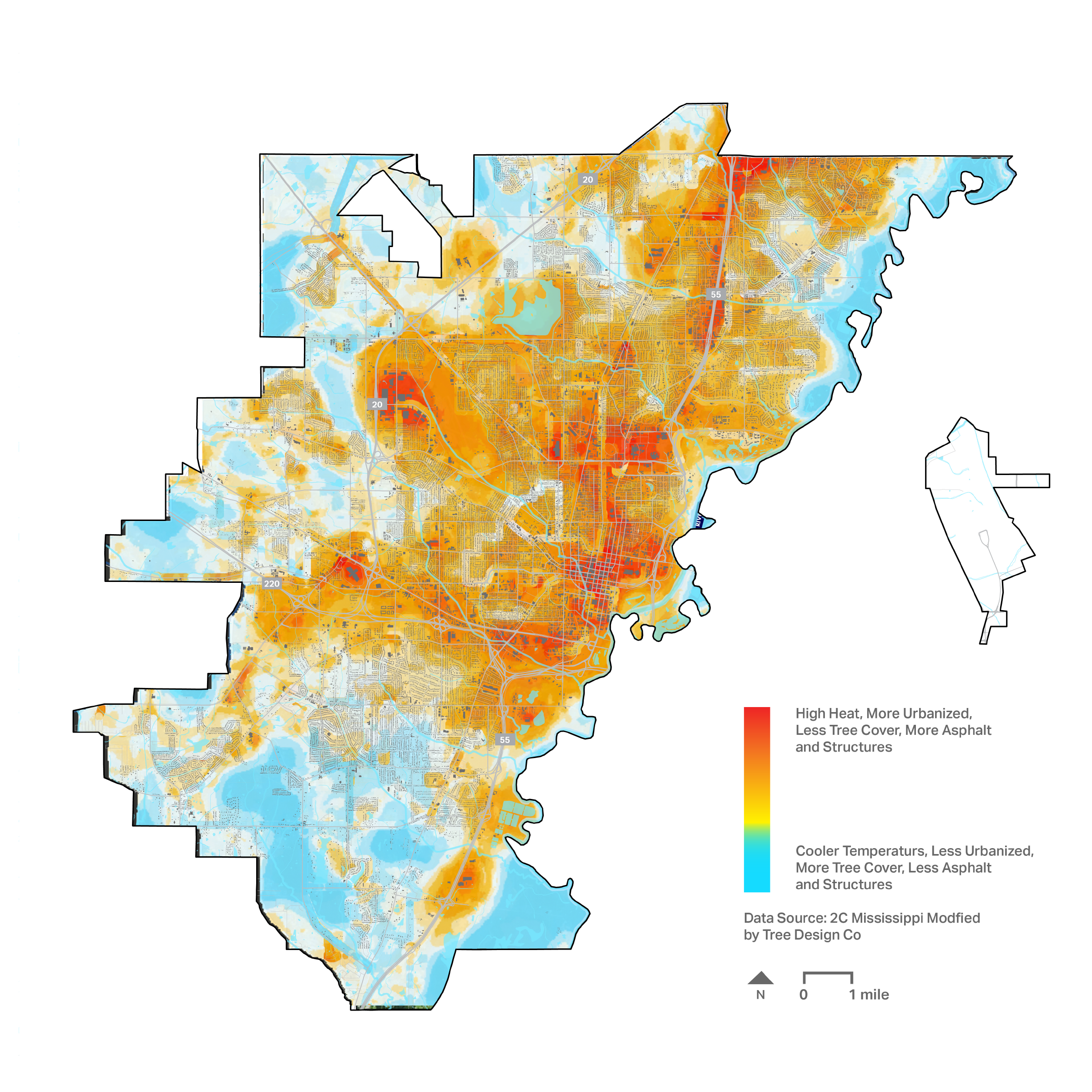
The effort originated through 2C Mississippi's urban heat island research, which identified Farish Street as one of the hottest areas in Jackson due to extensive pavement, limited tree canopy, and a lack of green space. Community members and project partners recognized an opportunity to transform underutilized properties into a new public landscape capable of reducing heat, improving environmental conditions, and creating a welcoming place for informal gathering, events, and everyday use. The project is supported through a $1.5 million grant from the U.S. Forest Service along with funding from the Robert Wood Johnson Foundation and serves as a demonstration of how natural solutions can address climate resilience and strengthen public spaces.
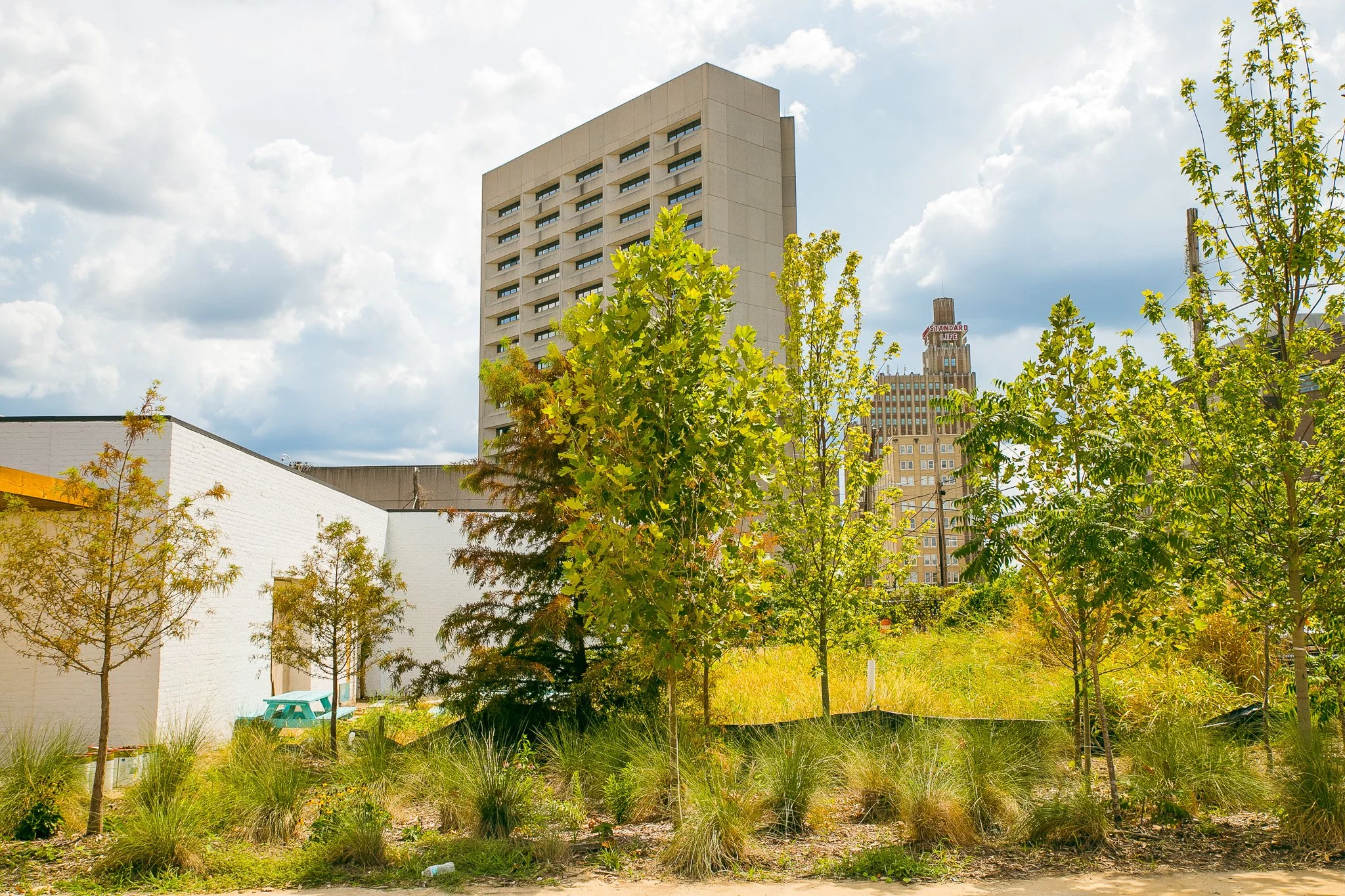
Urban Forest Post-Construction 2026
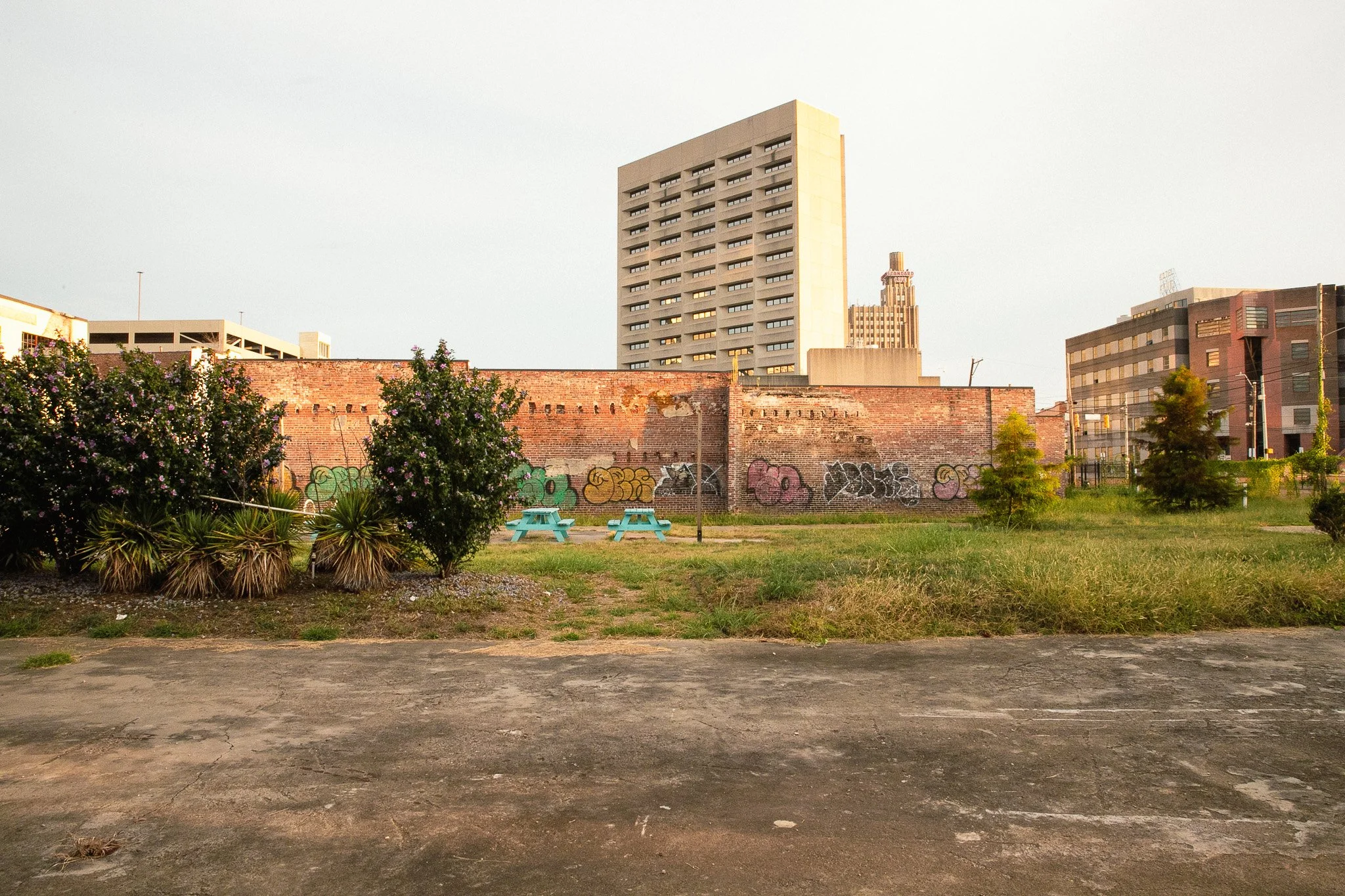
Site Conditions 2025
Designed to Reduce Urban Heat
The Farish Street Historic District experiences some of the highest surface temperatures in Jackson due to extensive pavement, heat retaining buildings, and limited tree canopy. This concentration of heat, known as urban heat island effect, can make parts of the neighborhood 10°F to 15°F warmer than surrounding areas.
Farish Street Green Commons introduces trees, native planting, and shaded gathering spaces to help cool the neighborhood naturally. By replacing hard surfaces with a living landscape, the project demonstrates how ecological infrastructure can improve comfort, reduce stormwater runoff, and support revitalization.
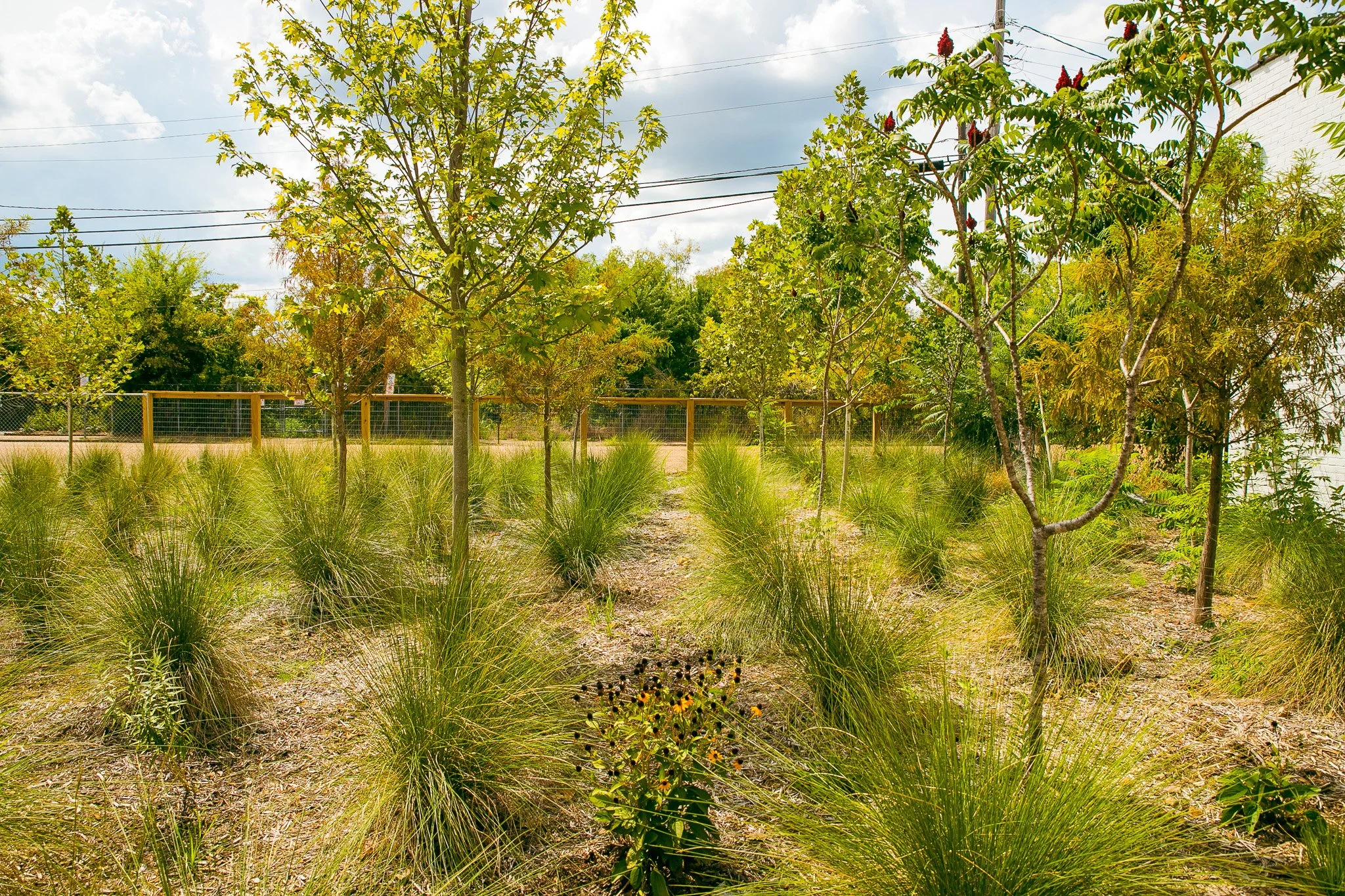
Urban Forest Post-Construction 2026
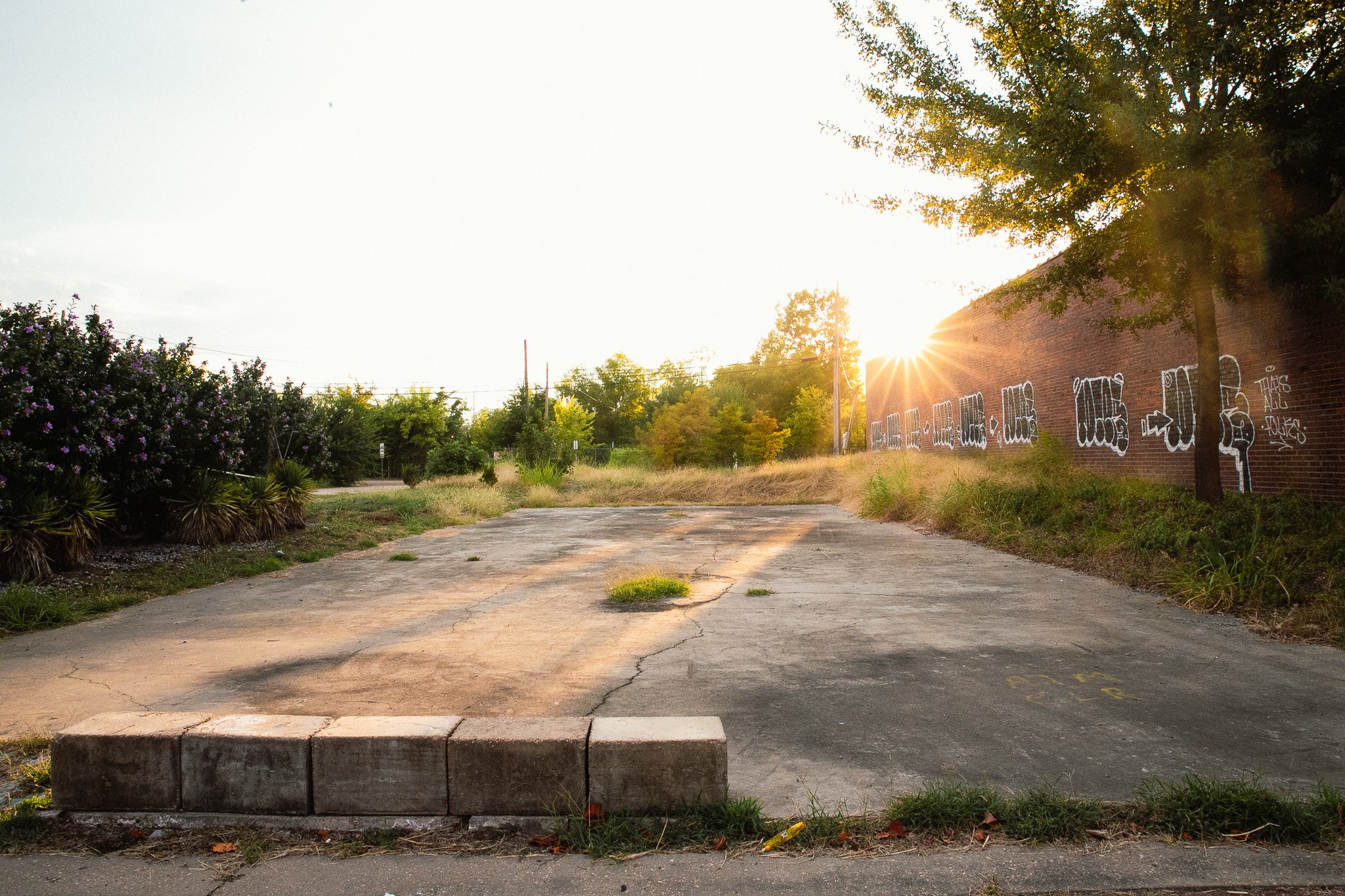
Site Conditions 2025
Working with Natural Systems
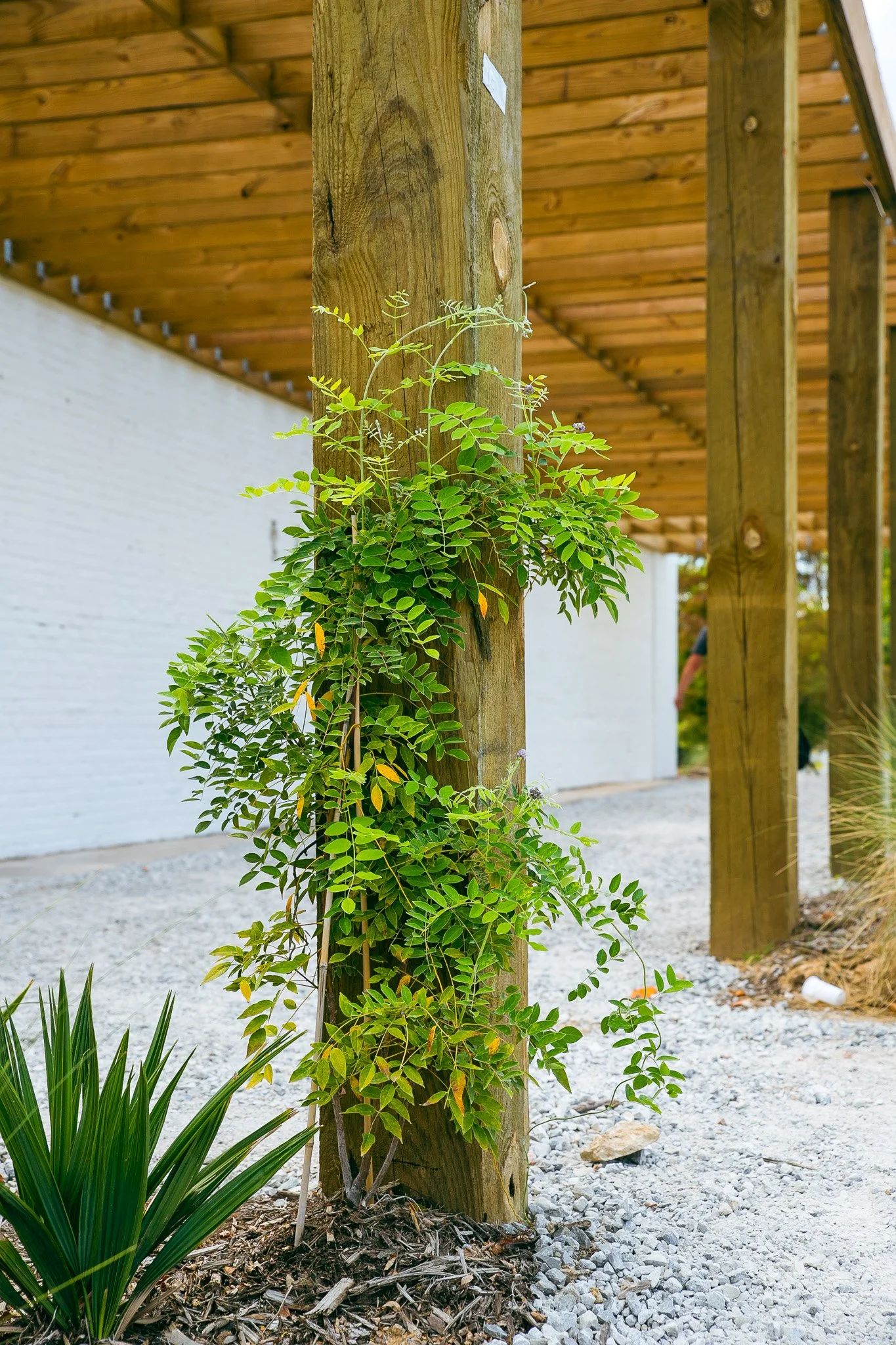
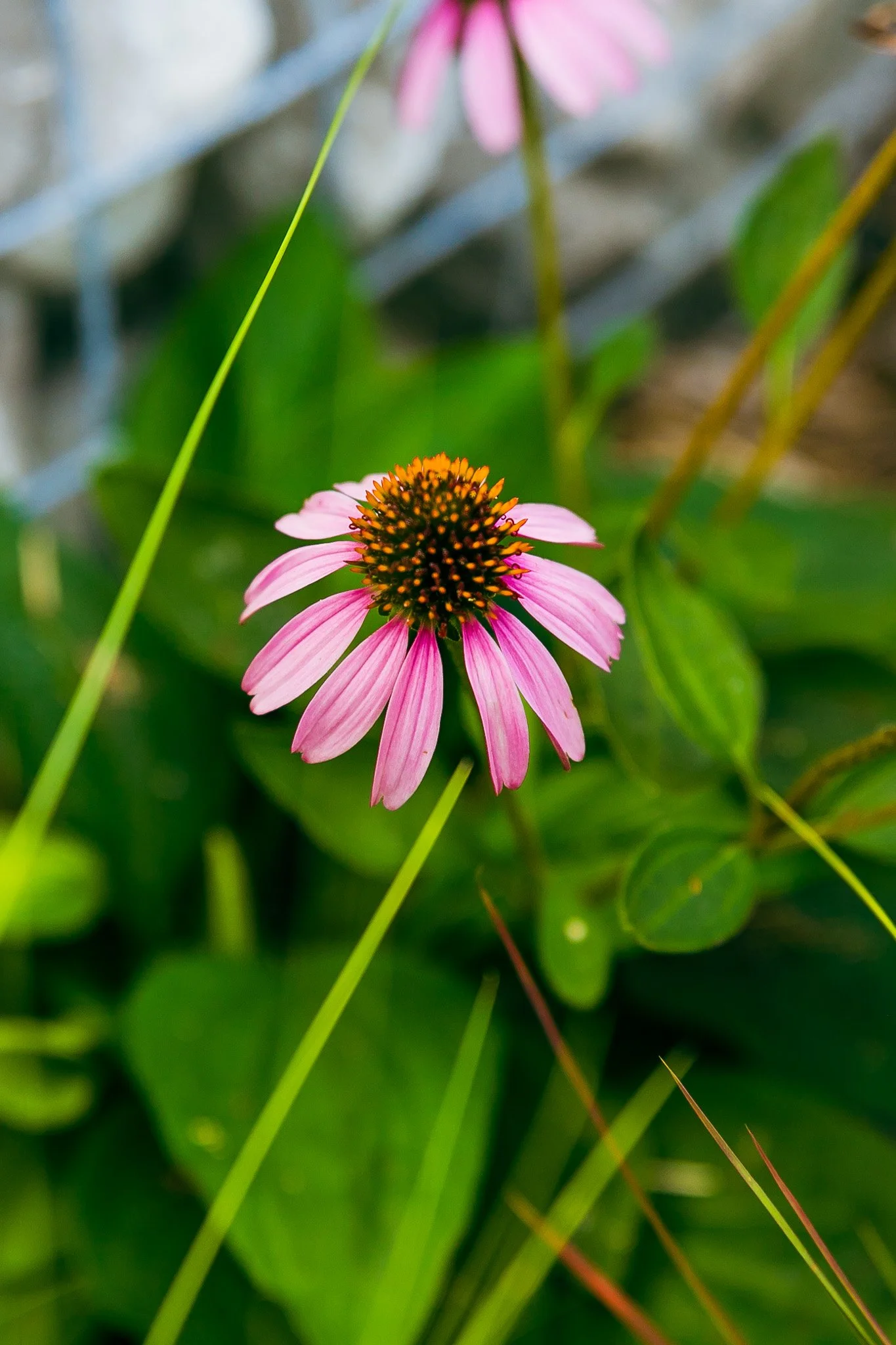
The design approach restores ecological function within a highly paved and heat vulnerable environment. The planting strategy draws from Mississippi's native landscapes, incorporating species associated with the historic Jackson Prairie, riparian plant families, and indigenous forest systems. Large canopy trees are positioned to maximize future shade and reduce surface temperatures, while native grasses, wildflowers, and vine plantings contribute seasonal interest and biodiversity. These systems help create habitat for pollinators and wildlife while establishing a more comfortable outdoor environment for visitors. The project demonstrates how public spaces can function simultaneously as gathering places, environmental infrastructure, and climate adaptation tools. Over time, the landscape will mature into a shaded urban commons that reconnects people with nature while improving environmental conditions.